G7 Opens in France as Trump Arrives, Iran Deal in Focus — SkimNews
Get the Geopolitics newsletter
Daily geopolitics — wars, elections, sanctions, the diplomatic moves that move markets. Free.
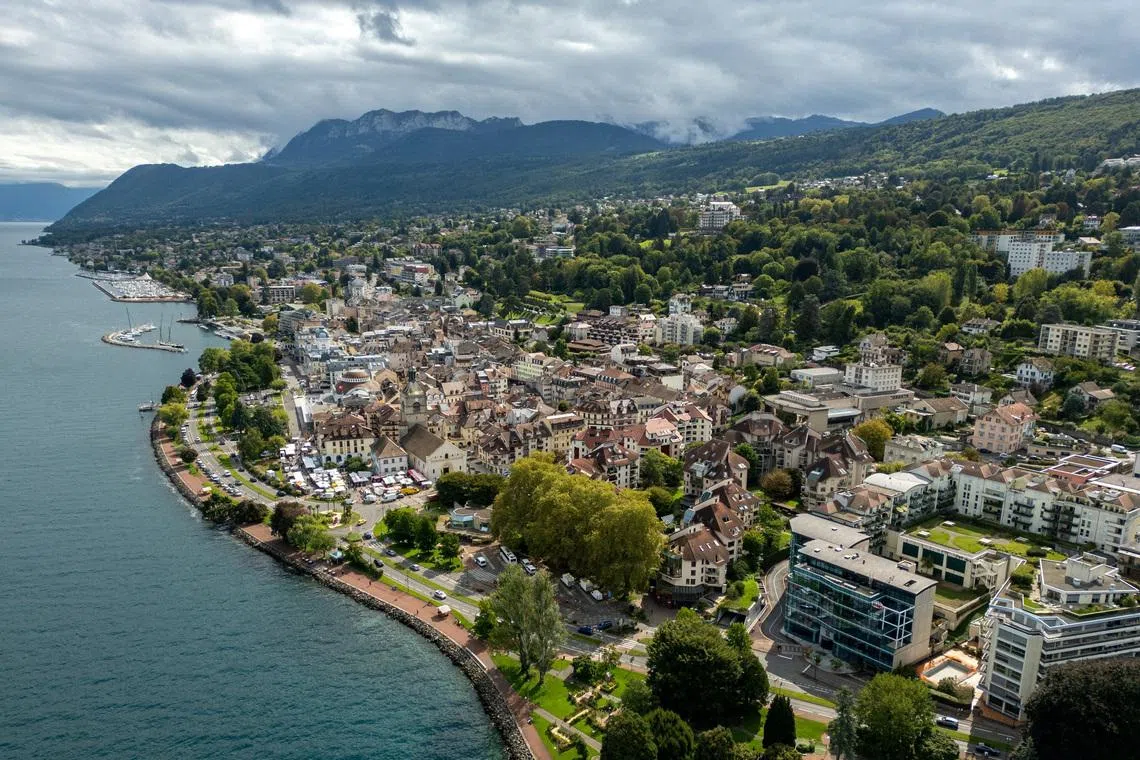
- G7 leaders gathered June 15-17 in Evian-les-Bains, France, for a summit shadowed by a newly announced U.S.-Iran preliminary deal to end their war and hosted by French President Macron.
- Trump is due to arrive Monday — after leaving last year's G7 summit in Canada early — and will meet Ukrainian President Zelenskiy on Tuesday, a sharp reversal from last year's Oval Office clash where Trump told him "You don't have the cards."
- The U.S.-Iran deal includes an MoU to be signed Friday in Switzerland, the reopening of the Strait of Hormuz on Friday, and an end to the U.S. blockade of Iranian ports; Iran's deputy FM Kazem Gharibabadi said broader terms including sanctions relief will be negotiated during a 60-day ceasefire.
- Macron is hosting the summit as a diplomatic capstone for his second and final term, secured a Versailles dinner with Trump for Wednesday, and is pushing action on macroeconomic imbalances — framing it as China overproducing, the U.S. overconsuming, and Europe underinvesting.
- Brazil, India, Kenya, and South Korea have been invited to join the macroeconomic imbalance discussion, while the UAE, Qatar, and Egypt will attend given their direct roles as mediators or harmed parties in the Iran war.
- Sourcing critical minerals outside dominant supplier China is also a key agenda item, alongside continued coordination on Ukraine and managing global economic imbalances.
Why it matters: The 60-day ceasefire clock starts now: G7 leaders will scrutinize the Iran deal's Friday signing in Switzerland while the Strait of Hormuz — shut for months — reopens the same day, reshaping energy supply expectations. Macron's push to frame economic imbalances as a shared China-U.S.-Europe problem puts Beijing in the diplomatic spotlight at a summit where Trump's volatility is the wildcard.
Ask SkimNews