If Cybercabs Printed Money, Tesla Wouldn't Sell Them — SkimNews

Get the Energy newsletter
Daily energy & climate — solar, EVs, oil, the policy fights and tech bets shaping the transition. Free.
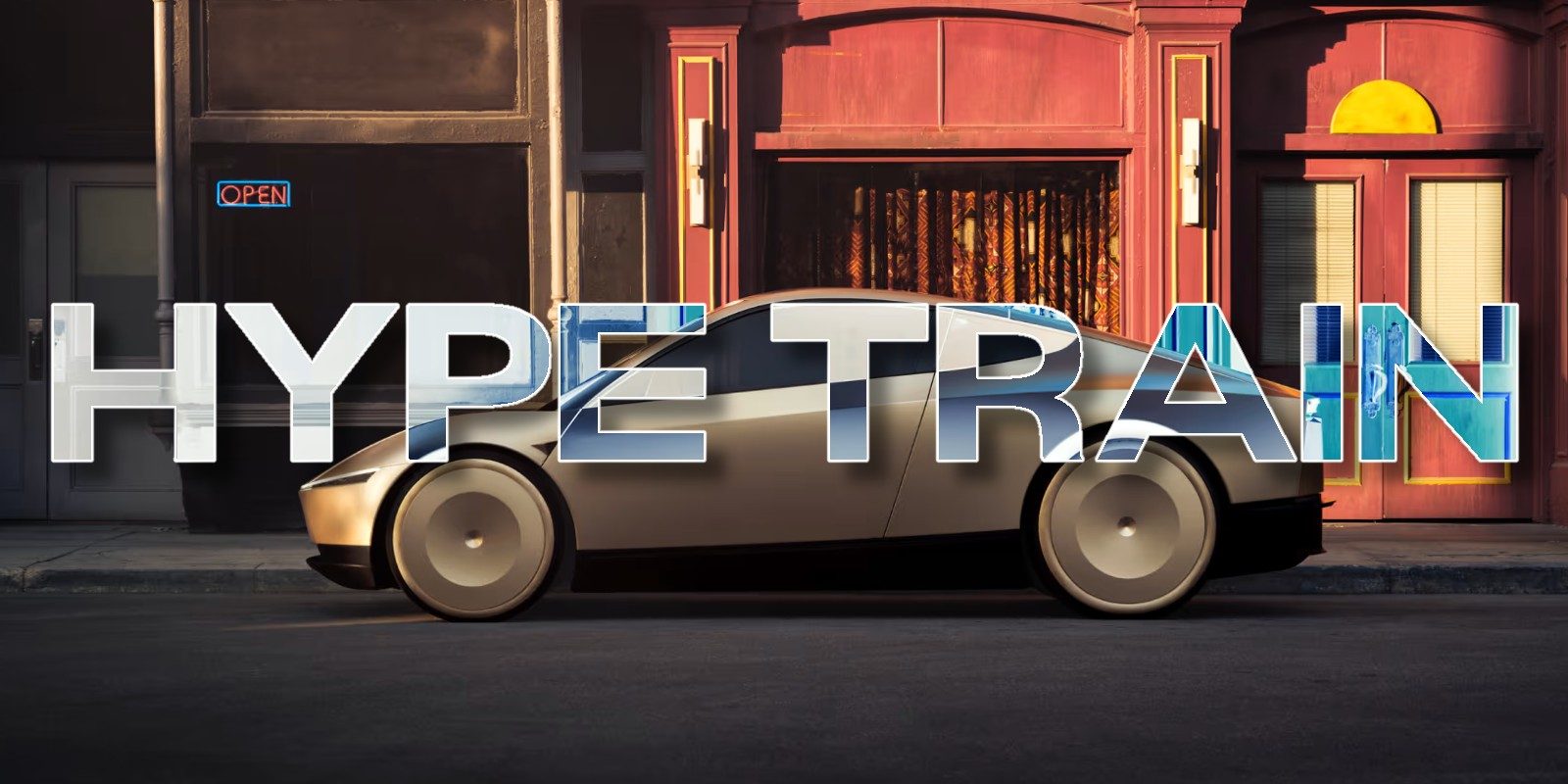
- Tesla began circulating a "Cybercab fleet vehicle purchasing" interest form at its September 3 Cybercab event, asking companies to buy vehicles, run them on its Robotaxi network, and split the revenue.
- Elon Musk made the same promise at Autonomy Day in 2019, pitching the "Tesla Network" as a way for owners to earn up to $30,000 in annual gross profit per vehicle and calling Teslas "appreciating assets" — years later, owners who paid up to $15,000 for FSD on that promise still cannot run their cars as robotaxis.
- MisterGreen, a Dutch leasing firm that bought more than 4,000 Teslas betting on robotaxi income, filed for bankruptcy in December 2025 after Tesla's price cuts drove used Teslas to depreciate at roughly three times the broader used-car market rate, wiping out bondholders with $40 million in losses.
- Tesla controls the Robotaxi network's software, dispatch, pricing, and revenue split, leaving fleet buyers to compete against the platform owner while bearing all capital costs and depreciation risk.
- The author frames the pitch as "asset-light offloading": Tesla wants fleet buyers to absorb the capex and depreciation on hundreds of thousands of Cybercabs so it can book the vehicle sale and retain the high-margin software revenue and network skim.
Why it matters: Tesla is asking third parties to put up the capital and carry the depreciation on vehicles it could run itself — the same structure that already cost MisterGreen $40 million when the promised robotaxi income never arrived. Fleet buyers would face a platform owner that can undercut prices, change revenue splits, or geofence them out, meaning capital risk sits with the buyer while software margin stays with Tesla.
Ask SkimNews