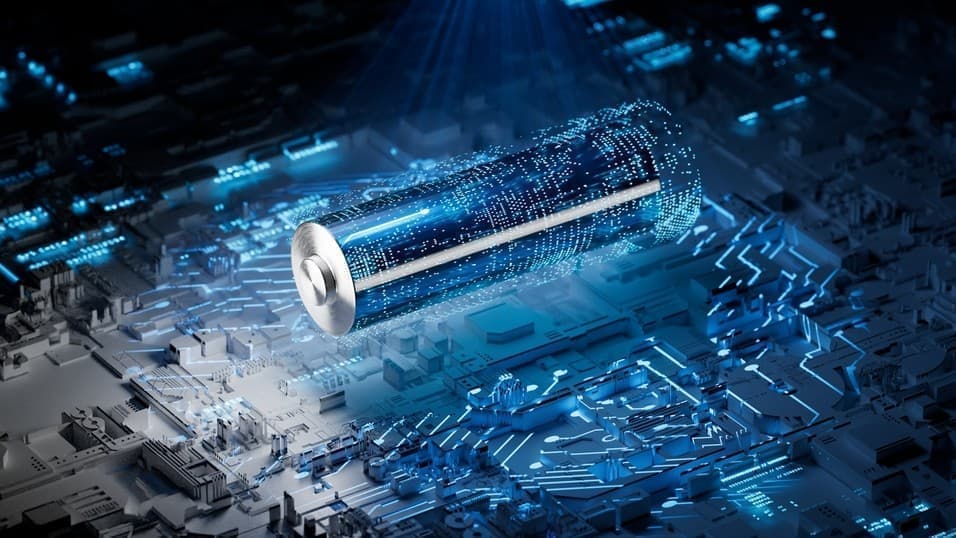
Battery Storage Scales Fast — KEMA Labs Maps Trust Gap — SkimNews
Get the Energy newsletter
Daily energy & climate — solar, EVs, oil, the policy fights and tech bets shaping the transition. Free.
- Battery Energy Storage Systems (BESS) scale faster than almost any other U.S. grid resource, now supporting frequency regulation, voltage control, peak shaving, congestion management, renewable integration, and ancillary services with response times measured in seconds.
- BESS operators can stack revenue from ancillary services, energy arbitrage, capacity/resource adequacy contracts, and congestion management, a model the source says is accelerating larger-scale deployment and global investment.
- KEMA Labs, the testing division of CESI Group, integrates battery testing with Electromagnetic Compatibility (EMC) testing, Accelerated Life Testing (ALT), and IEC 61850 communication testing to evaluate how batteries, power electronics, control systems, and communications interact within BESS architectures.
- KEMA Labs' LFP battery research identified temperature and State of Charge as the key factors driving degradation, with laboratory aging campaigns supporting models that predict capacity fade, State of Health, and Remaining Useful Life.
- Grid integration studies — covering system impact, harmonic and power quality, temporary overvoltage, insulation coordination, and ride-through assessments — must be completed before energization to confirm whether a BESS will stabilize or destabilize the grid.
- CESI Group's KEMA Labs and EnerNex connect laboratory-proven performance with real-world grid behavior through owner's engineering spanning procurement, factory acceptance testing, commissioning, and performance verification.
Why it matters: Utilities and developers are deploying grid-scale batteries faster than they can validate how the assets will behave under stress and over decades of service. KEMA Labs and EnerNex are positioning their integrated testing-plus-modeling-plus-oversight workflow as the discipline that turns BESS from a fast-scaling experiment into dependable grid infrastructure — a shift that determines whether storage investments deliver on frequency, capacity, and renewable-integration promises or introduce new grid risks.
Ask SkimNews
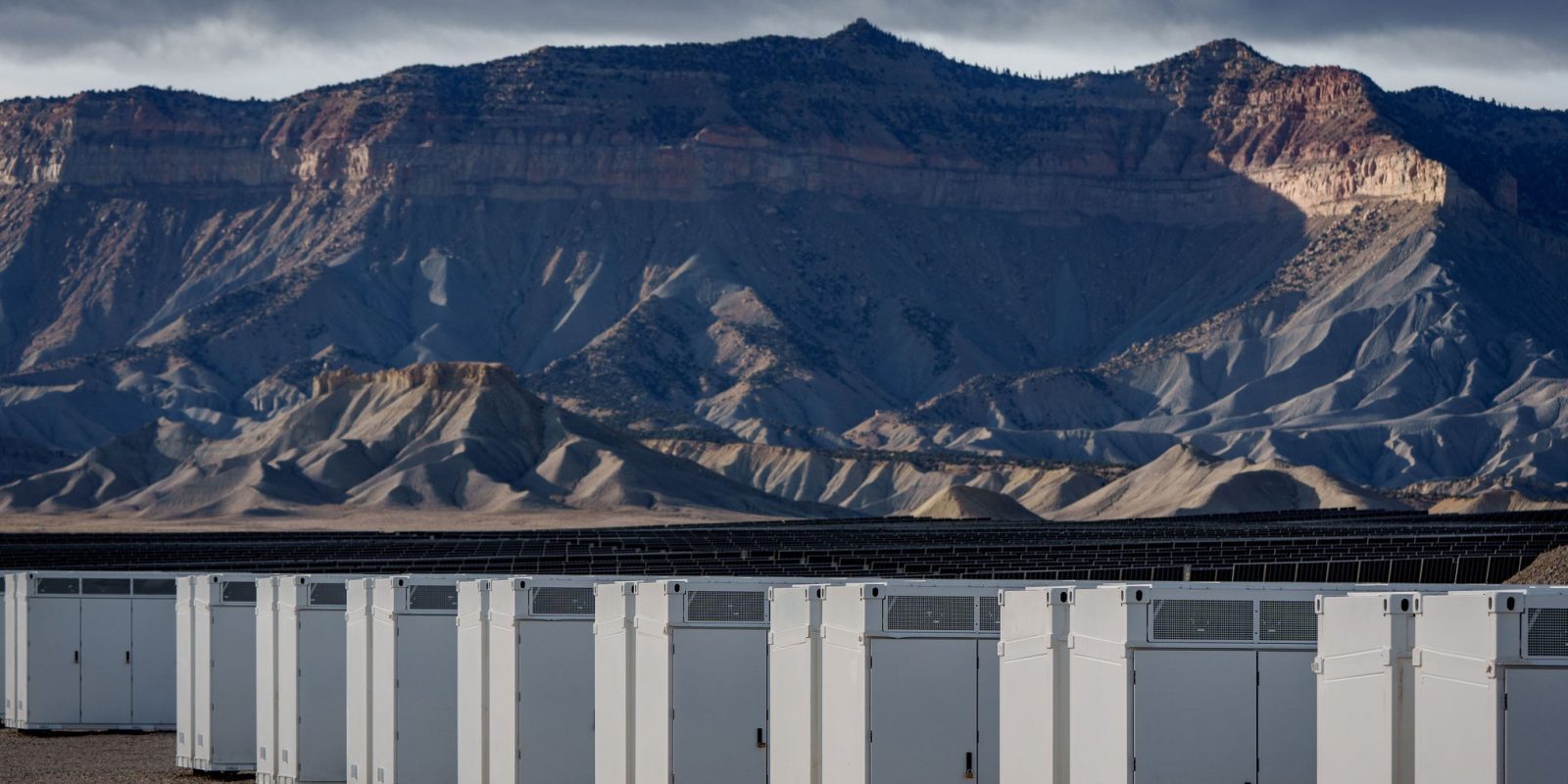
![American energy sector to invest $100B in battery storage by 2030 [update]](https://electrek.co/wp-content/uploads/sites/3/2025/05/wartsila_energy_252e4e.jpg?quality=82&strip=all&w=1600)