Cambridge Study: 39 Sweeteners Disrupted Gut Bacteria — SkimNews
Get the Health newsletter
Daily health & science — research, biotech, public health, the studies worth knowing. Free.
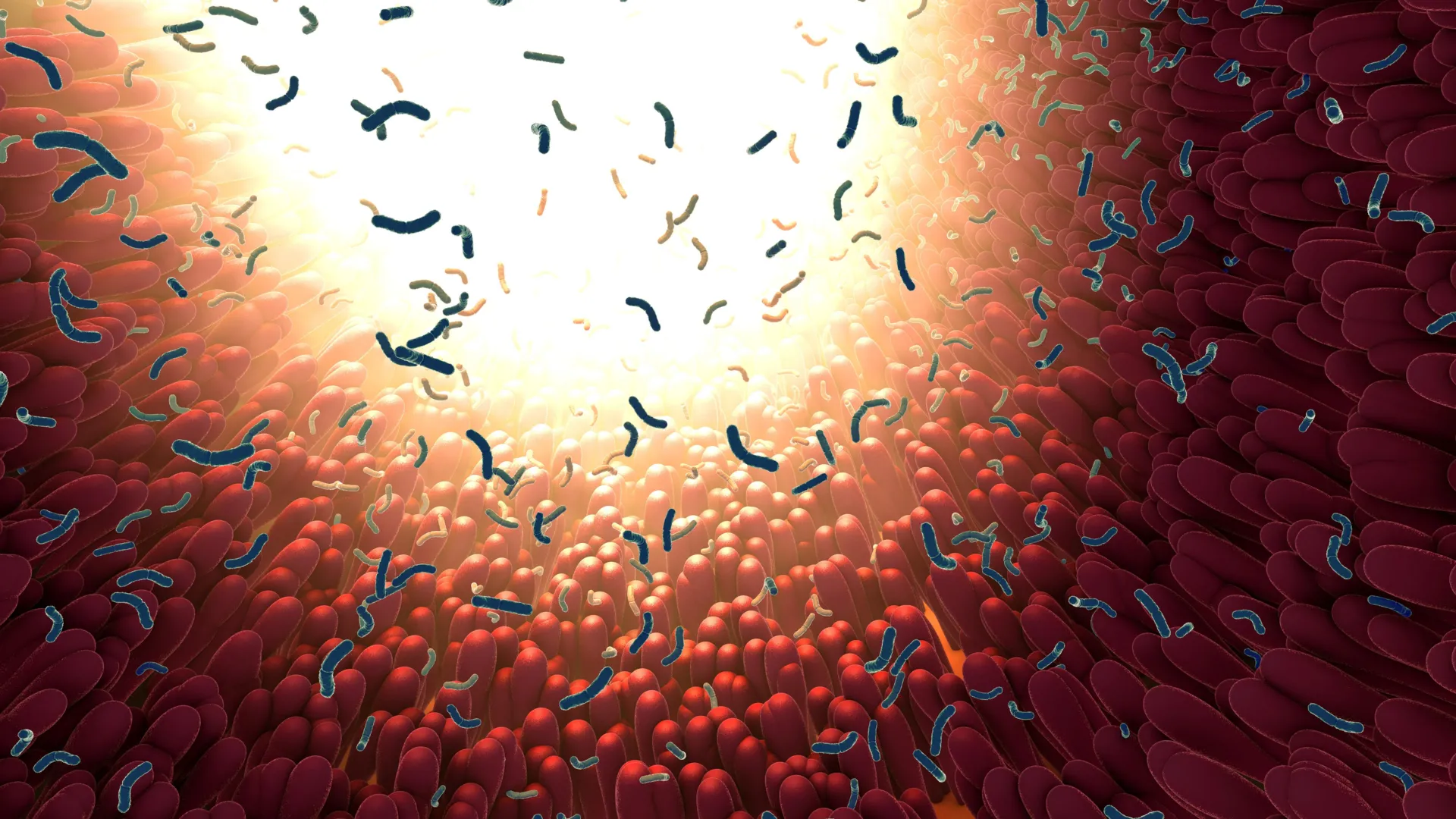
- University of Cambridge scientists tested 39 commercially available sweeteners against 25 species of gut bacteria grown in isolation, finding roughly three-quarters altered the growth of at least one species — some tied to a healthy gut environment.
- Isosteviol combined with the antidepressant duloxetine strongly suppressed Roseburia intestinalis and Parabacteroides merdae, two bacteria involved in digestive health and blood sugar regulation, in the most pronounced combination result.
- The isosteviol-duloxetine pairing also reduced microbial diversity in a simulated 25-species gut community and increased toxicity toward certain host cells, with altered behavior in cells tied to inflammation and immune responses.
- Testing sweeteners alongside caffeine, vanillin, advantame, and eight drugs produced more than 100 interaction cases — 34 intensified and 68 weakened — showing a sweetener's effect on gut microbes can flip depending on what it is consumed with.
- Duloxetine was prescribed to more than 4.2 million US patients in 2023, putting a widely taken medication at the center of any potential sweetener-drug interaction flagged by the study.
- Lead authors Kiran Patil and Sonja Blasche of the MRC Toxicology Unit stressed the experiments were conducted in the laboratory, not in humans, and called for further study before drawing real-world health conclusions.
- The findings, published in Molecular Systems Biology, directly challenge the marketing claim that low-calorie sweeteners are "metabolically neutral," with Blasche saying the study shows they can act directly on gut microorganisms.
Why it matters: For the 4.2 million Americans who filled duloxetine prescriptions in 2023 and the much larger population consuming sweeteners daily in drinks, snacks, and even medication coatings, the lab findings flag a previously unstudied sweetener-drug interaction — one researchers say directly contradicts the 'metabolically neutral' marketing claim and could, if confirmed in humans, reshape guidance on combining sugar substitutes with common medications.
Ask SkimNews