Sorbitol Converts to Fructose in Liver, WashU Study Finds — SkimNews
Get the Health newsletter
Daily health & science — research, biotech, public health, the studies worth knowing. Free.
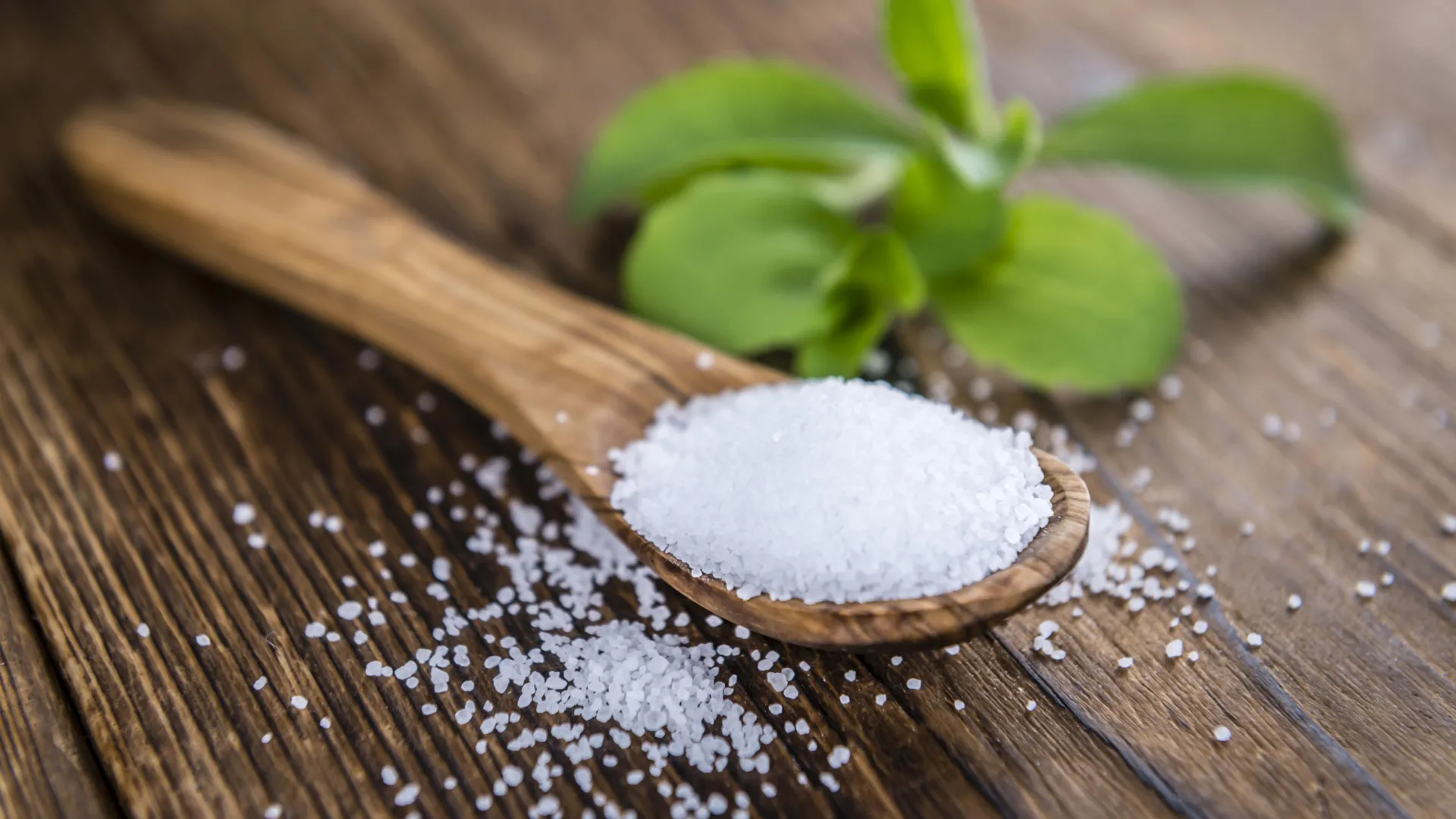
- Washington University researchers found that sorbitol can be converted into a fructose derivative in the liver, potentially triggering metabolic effects similar to those linked to fructose itself.
- Lead researcher Gary Patti described sorbitol as 'one transformation away from fructose,' meaning the body can convert it into a closely related compound with similar effects.
- Zebrafish experiments showed that enzymes in the intestine can produce sorbitol from glucose after a meal, even in healthy (non-diabetic) conditions.
- Sorbitol-degrading Aeromonas bacteria in the gut can consume sorbitol and convert it into harmless byproducts, acting as a protective filter before it reaches the liver.
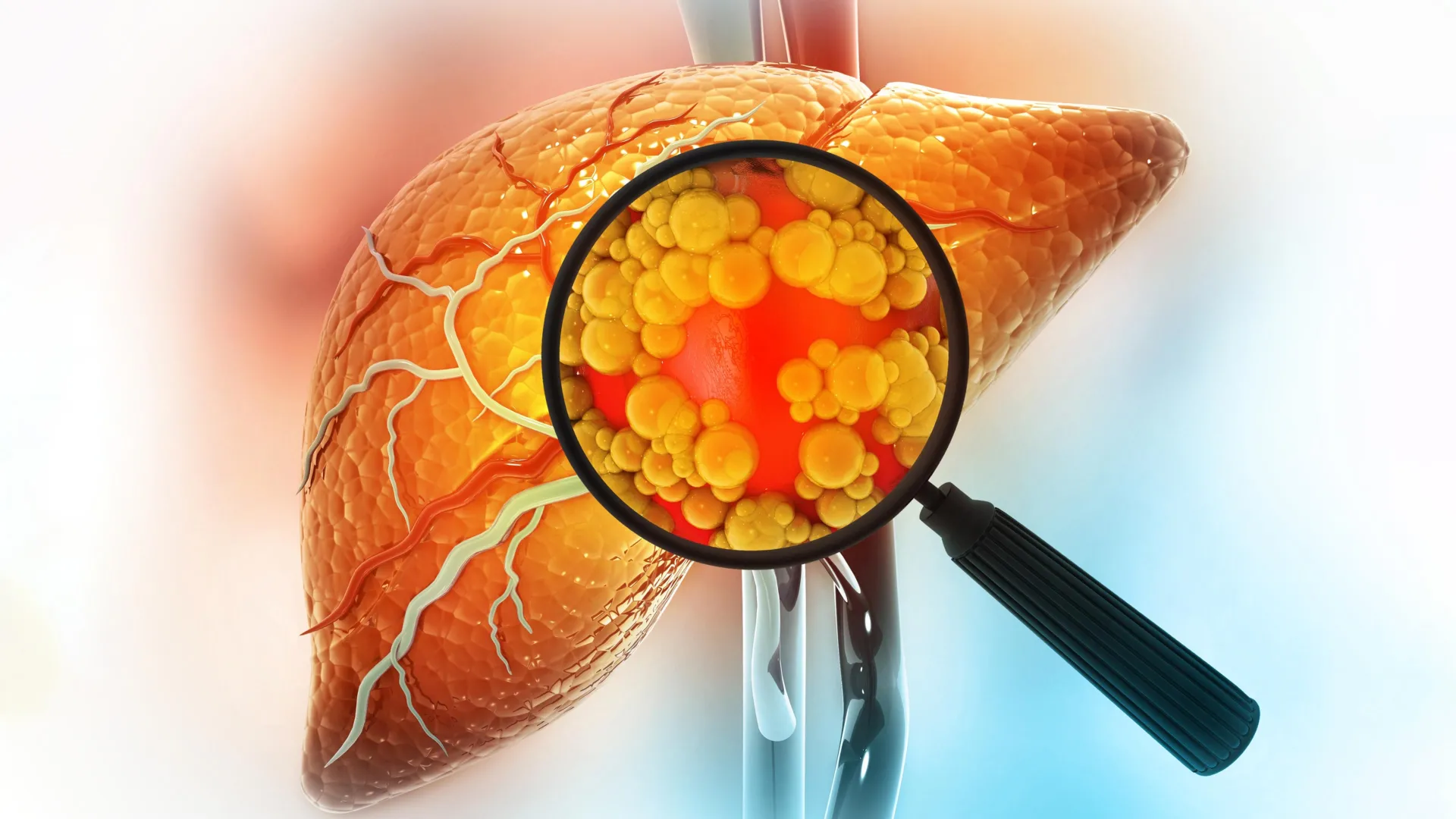
- When beneficial bacteria are absent or overwhelmed by high sorbitol intake, the sugar alcohol passes to the liver, where it can be converted into a fructose derivative linked to steatotic liver disease — a condition affecting about 30% of adults worldwide.
- The study, published in Science Signaling, challenges the long-standing assumption that sugar alcohols simply pass through the body without causing major metabolic effects.
Why it matters: For the roughly 30% of adults affected by steatotic liver disease and people with diabetes who specifically seek out 'sugar-free' products to avoid metabolic harm, this finding complicates the assumption that sugar alcohols are metabolically inert. Whether sorbitol actually reaches the liver depends on gut bacteria composition — individual microbiomes may determine who is actually protected.
Ask SkimNews