Low testosterone + fructose worsen fatty liver in mice — SkimNews
Get the Health newsletter
Daily health & science — research, biotech, public health, the studies worth knowing. Free.
- Osaka Metropolitan University scientists from the Graduate School of Agriculture, led by graduate student Hiroki Takahashi and Associate Professor Naoki Harada, assigned eight-week-old male mice to six groups spanning sham or castration, fructose, and antibiotics.
- Hiroki Takahashi and colleagues found that castration combined with fructose produced heavier livers and significantly increased fat accumulation, while low testosterone and fructose each examined separately produced only modest changes in liver triglyceride levels.
- Antibiotics given alongside castration and fructose blunted the liver-weight increase seen in that combination, pointing to a gut-microbiome role in the interaction.
- Gut microbiota changes raised pyruvate in the cecum, and experiments with mouse-derived primary hepatocytes showed pyruvate and fructose act synergistically to promote neutral lipid accumulation, Takahashi said.
- American Journal of Physiology-Endocrinology and Metabolism published the work in 2026 (330(2): E233) as "Testosterone deficiency synergistically exacerbates fructose-induced hepatic steatosis through gut microbiota and pyruvate in mice."
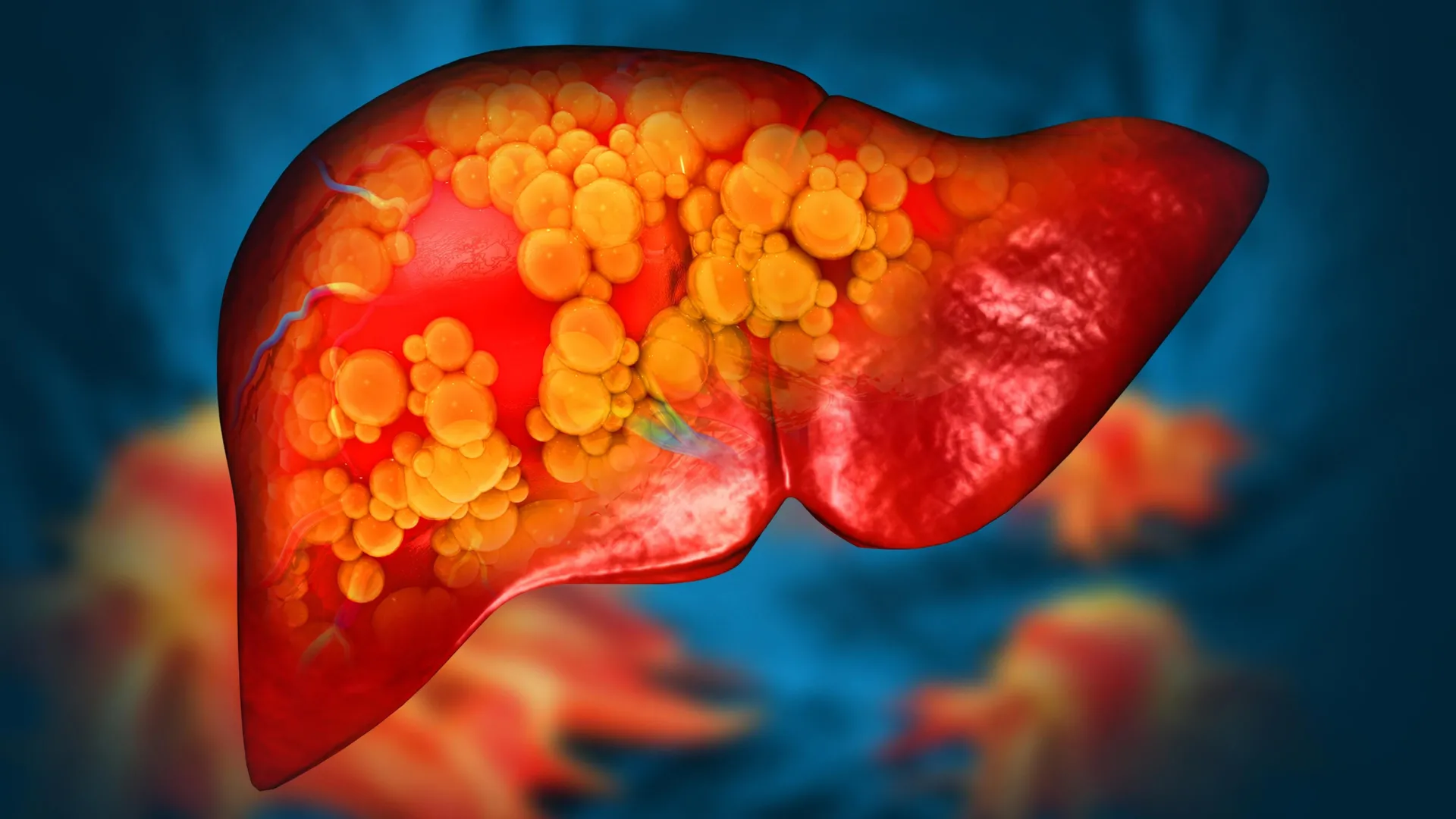
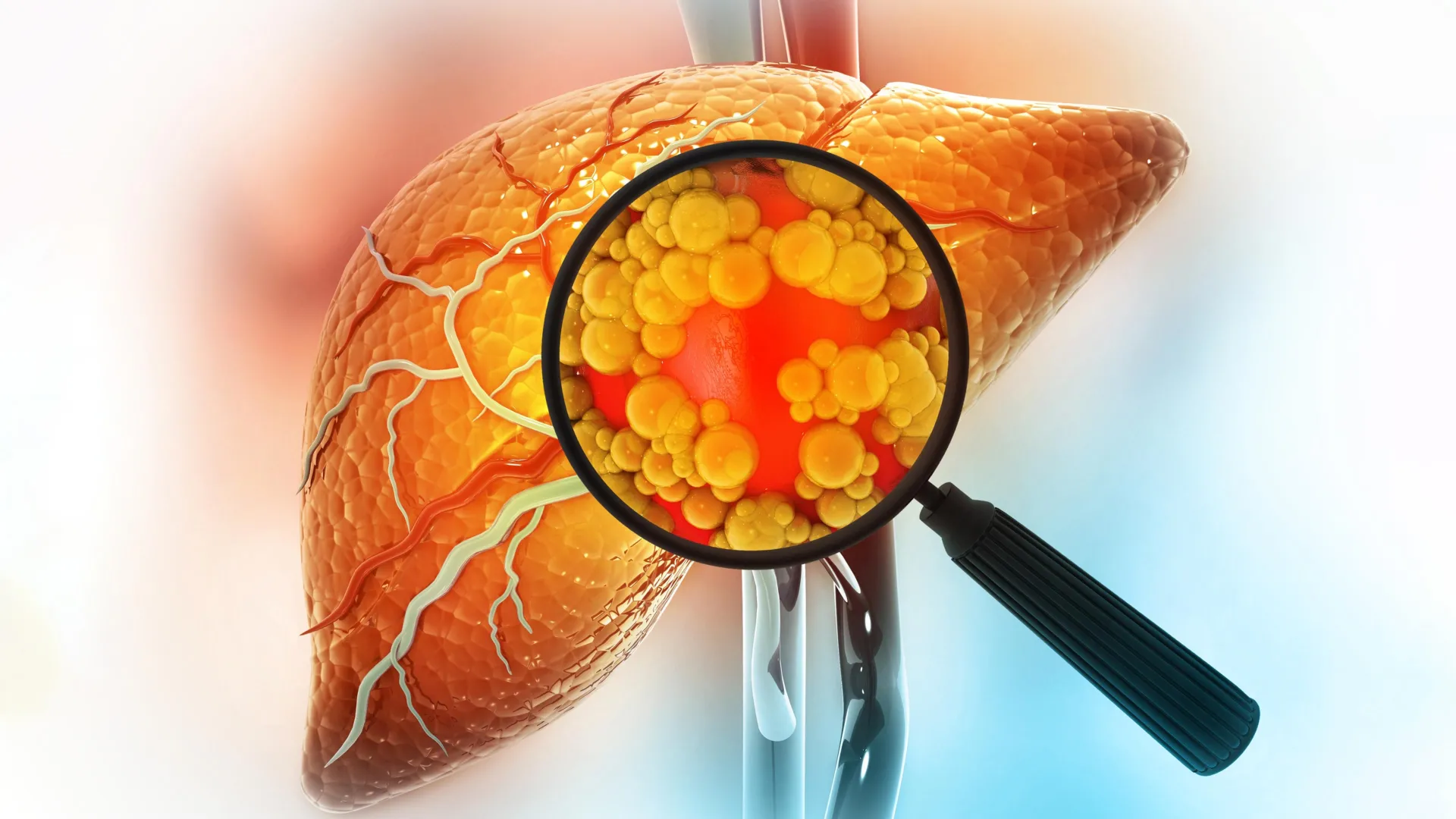
- MASLD affects approximately 40% of adult men worldwide, and fatty liver — its earliest stage, in which excess fat builds up in the liver — is associated with obesity, type 2 diabetes, low testosterone, and fructose-heavy diets.
- Naoki Harada said the next step is to clarify the mechanism by which pyruvate promotes triglyceride accumulation, with the goal of developing therapeutic drugs and establishing preventive dietary interventions.
Why it matters: For the roughly 40% of adult men living with MASLD, the finding is that neither low testosterone nor fructose alone did much in these mice — liver fat piled up when both coincided, and antibiotics blunted it. That puts gut bacteria and intestinal pyruvate, not diet or hormone alone, at the center of the mechanism researchers want to target.
Ask SkimNews