Sweetener-Drug Combo Disrupted Gut Bacteria: Study — SkimNews
Get the Health newsletter
Daily health & science — research, biotech, public health, the studies worth knowing. Free.
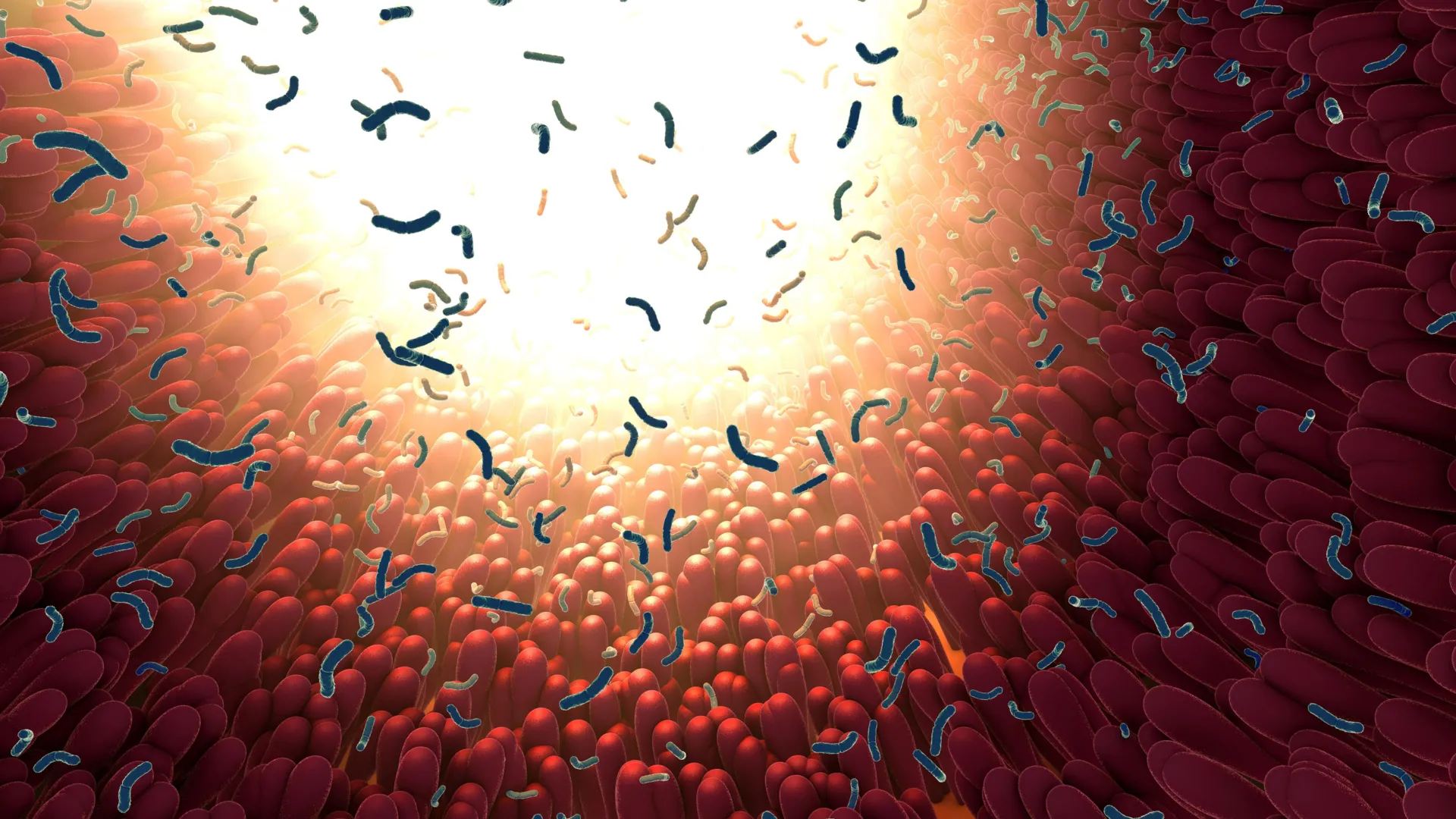
- University of Cambridge researchers tested 39 sweeteners against 25 species of gut bacteria in laboratory dishes, finding roughly three-quarters altered the growth of at least one bacterial species — sometimes slowing or fully stopping microbes tied to digestive health.
- The sweetener isosteviol paired with the antidepressant duloxetine strongly suppressed two gut bacteria linked to digestive and blood sugar regulation: Roseburia intestinalis and Parabacteroides merdae.
- Across more than 100 sweetener combinations tested with caffeine, vanillin, advantame, and eight common drugs, 34 combinations intensified bacterial effects while 68 weakened them — showing a sweetener's impact depends heavily on what accompanies it.
- The isosteviol-duloxetine combination also reduced microbial diversity in a simulated 25-species gut community and increased toxicity toward certain host cells, with altered behavior in cells involved in inflammation and immune responses.
- Duloxetine was prescribed to more than 4.2 million US patients in 2023 alone, highlighting the scale of potential overlap between widely consumed sweeteners and a heavily prescribed medication.
- The findings, published in Molecular Systems Biology by the MRC Toxicology Unit, are laboratory-based only — researchers emphasized further studies are needed to determine whether these interactions occur in the human gut.
Why it matters: With duloxetine prescribed to over 4.2 million Americans in 2023 and sweeteners embedded in everyday foods from soft drinks to breakfast cereals, the laboratory findings flag a potentially massive exposure overlap between widely consumed sugar substitutes and a heavily prescribed drug. The team explicitly notes real-world health consequences remain unproven pending human studies.
Ask SkimNews