Toyota concedes to China; GM doubles down on gas — SkimNews
Get the Energy newsletter
Daily energy & climate — solar, EVs, oil, the policy fights and tech bets shaping the transition. Free.
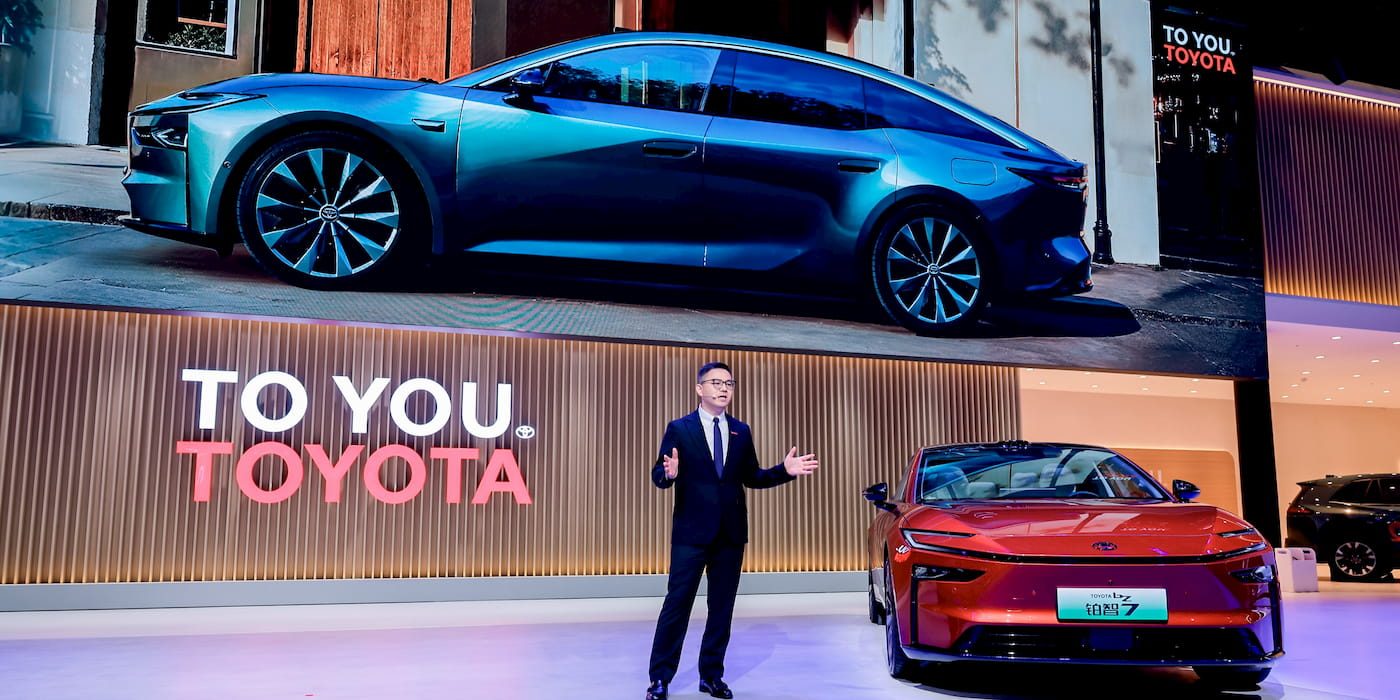
- Toyota chairman Akio Toyoda told NHK there's 'a considerable sense of crisis' inside the world's largest automaker; engineers on the same broadcast said flatly 'we are losing to China.'link ›
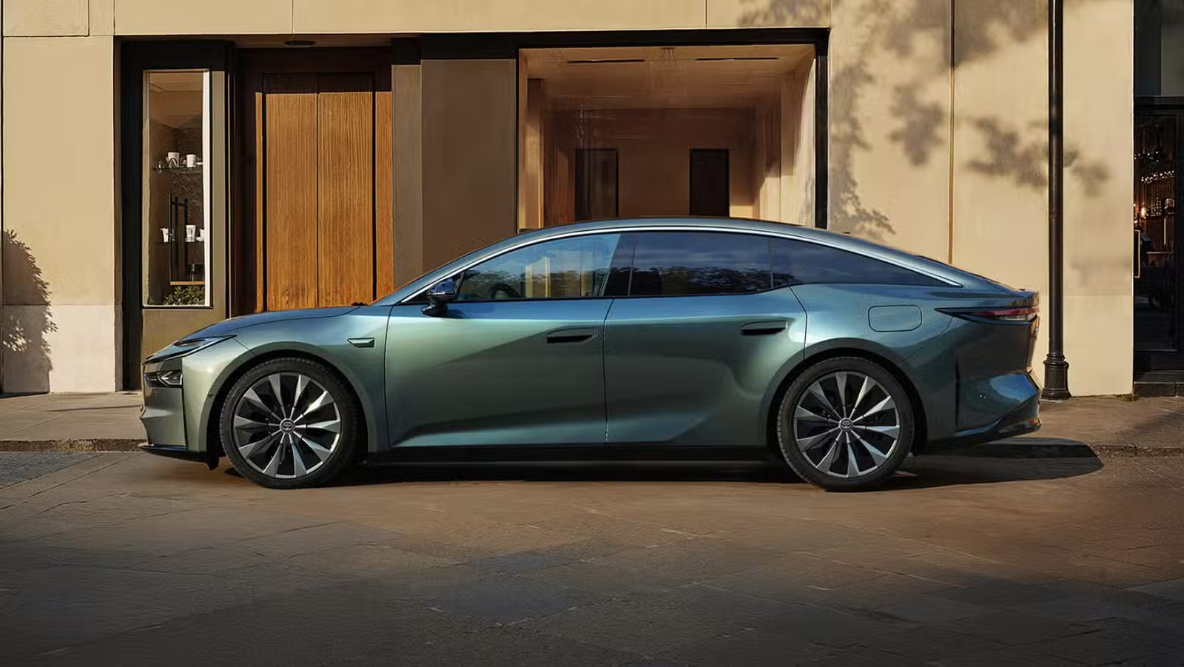
- Toyota canceled its flagship Lexus LF-ZC EV last month and showed a next-gen Corolla prototype on a multi-powertrain platform (BEV, PHEV, hybrid, ICE) during the July 19 NHK broadcast.link ›
- GM confirmed new gas Cadillac CT5, XT5, and three-row XT6 SUVs starting next spring, abandoning Cadillac's 2030 all-electric pledge after $10.9 billion in EV-related charges since H2 2025.link ›
- Hyundai has closed in as the U.S.'s No. 2 EV seller, with its IONIQ 5 outselling the Chevy Equinox EV through June; the $5 billion Hyundai–SK On Georgia battery plant opened at ~35 GWh capacity.link ›
- U.S. national average gas hit $4.00 per gallon as the U.S. reinstated a naval blockade of the Strait of Hormuz amid renewed fighting with Iran; oil has spiked on the unraveling of the U.S.–Iran memorandum.link ›
- A King County judge denied motions to dismiss Misti Leon's wrongful death suit against Exxon Mobil, BP, Chevron, and Shell over her mother's death during the 2021 Pacific Northwest heat dome, which hit 108°F.link ›
- Eversource, National Grid, EnergyHub, Sunrun, and Mobility House launched a Massachusetts vehicle-to-grid pilot paying EV owners to discharge batteries during peak demand events under the ConnectedSolutions program.link ›
- Brazilian security forces razed Vila Cururu, a sprawling illegal gold-mining camp in the Singapore-sized Sararé territory, Lula's 10th anti-mining operation, with troops uncovering a generator-powered bunker and 300kg of ammonium nitrate.link ›
Toyota chairman Akio Toyoda told NHK on July 19 there's 'a considerable sense of crisis' inside the world's largest automaker, and his own engineers went further: 'we are losing to China.' The next-gen Corolla — 57 million units sold across 60 years — will sit on a new platform supporting BEV, plug-in hybrid, hybrid, and ICE powertrains, the same week GM confirmed new gas-powered Cadillac CT5, XT5, and XT6 SUVs and a Chevy crossover to replace the discontinued Bolt. BYD, which stopped making ICE-only vehicles in 2022, now sits sixth globally after surpassing Ford last year and projects No. 1 within five years. The world's two largest legacy automakers are retreating from full-electric pledges just as China consolidates.
The stories behind this week
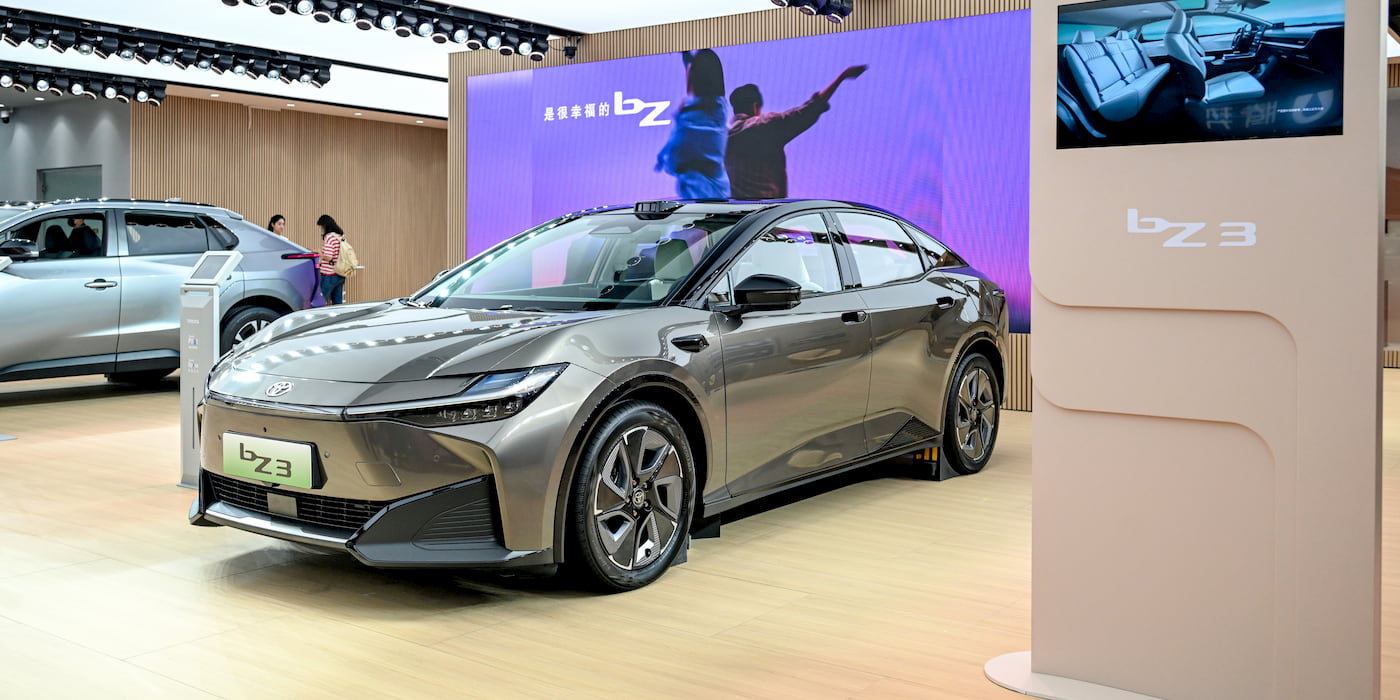
Toyota Preps Next-Gen Corolla EV Amid 'Sense of Crisis'Toyota remains the world's largest automaker but is now publicly conceding competitive anxiety while still hedging every powertrain — even after canceling its flagship Lexus LF-ZC EV. BYD, which abandoned ICE-only vehicles in 2022, has its CEO publicly projecting the No. 1 global spot within five years, putting Toyota's "good cars for every power source" strategy on a direct collision course with a faster-moving rival.

Gas Hits $4 as U.S. Reinstates Hormuz BlockadeThe re-escalation in the Strait of Hormuz directly raises fuel costs for American consumers, with the $4/gallon threshold now passed again — a level tied to measurable drops in consumer confidence and widespread blame directed at Trump. With military action under active consideration, the risk of sustained price pressure increases, affecting household budgets and political accountability in a midterm election year.
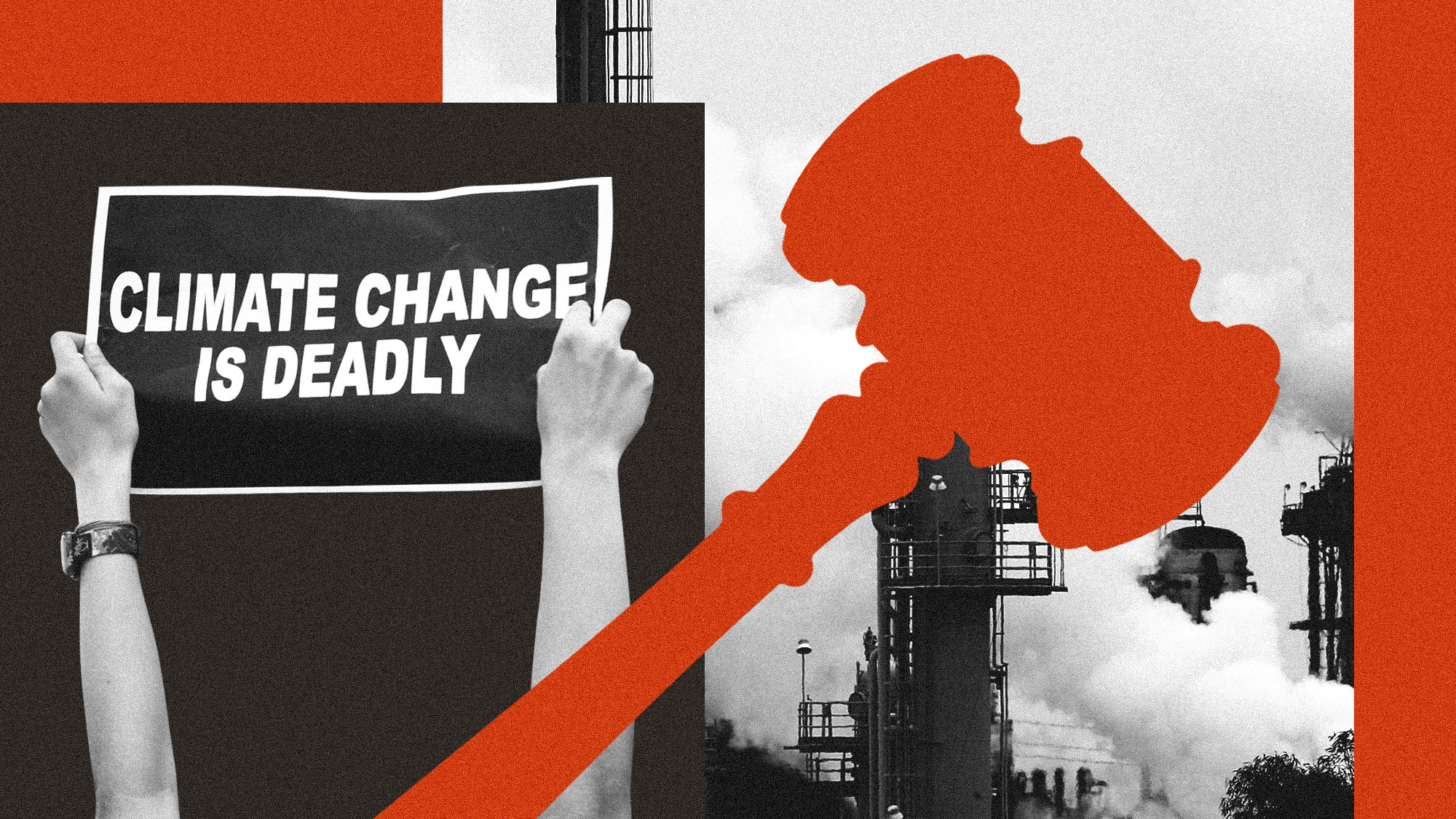
Big Oil Scrambles as Climate Wrongful Death Suit Survives DismissalThe Leon ruling gives plaintiffs a green light to argue before juries that oil companies' decades of climate deception caused specific deaths — the legal theory Big Oil has fought hardest to keep out of courtrooms. With nearly 40 cases pending, five states already passing liability shields, and the DOJ now actively suing to block state enforcement, the industry's legal exposure is being contested on two simultaneous fronts: courtroom liability and legislative immunity.
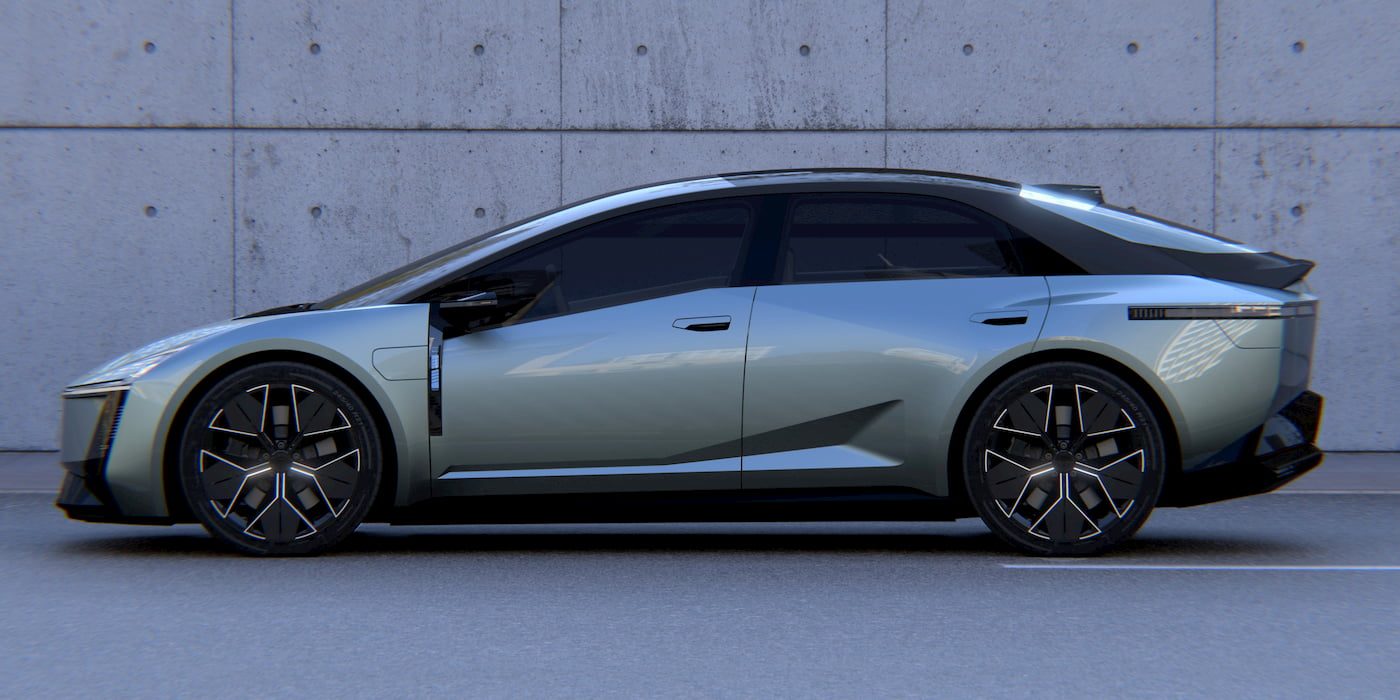
Toyota Admits 'Cannot Survive' Without EV PivotToyota still holds the title of world's largest automaker in 2025, yet its own chairman now publicly frames that position as fragile — and by anchoring the next-gen Corolla on a multi-powertrain platform rather than a dedicated EV architecture, Toyota is signaling it is hedging its transition while critics say it has already fallen behind BYD and Tesla in battery, software, and drivetrain technology.
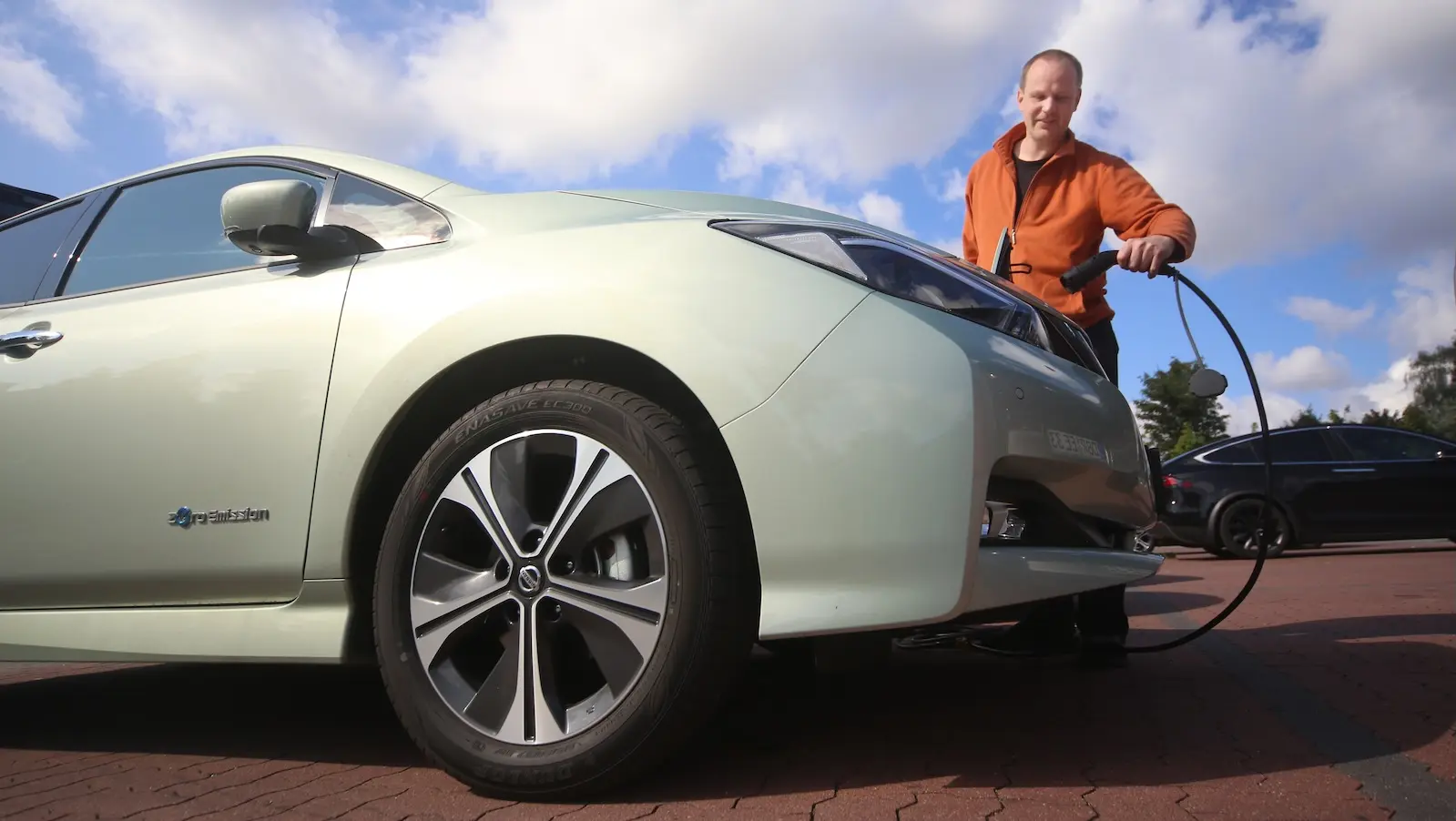
Massachusetts Coalition Launches Vehicle-to-Grid EV PilotMassachusetts EV owners now have a new revenue stream: utilities will pay them to discharge their car batteries during peak-demand events. For everyone else, the pilot tests whether aggregated EV batteries can become the cheapest flexible storage on the grid — easing the transition off gas and coal without building as many new battery facilities or transmission lines, and potentially lowering retail electricity costs.

Engineers Race to Make Geothermal Work AnywhereIf even one of these approaches proves commercially viable at scale, geothermal would shift from a niche power source concentrated in a handful of geologically lucky countries into a baseload resource available almost anywhere, undercutting the intermittency that still dogs solar and wind. The Pohang disaster shows the technology is not without serious safety risks: induced seismicity could become a regulatory flashpoint as projects multiply.
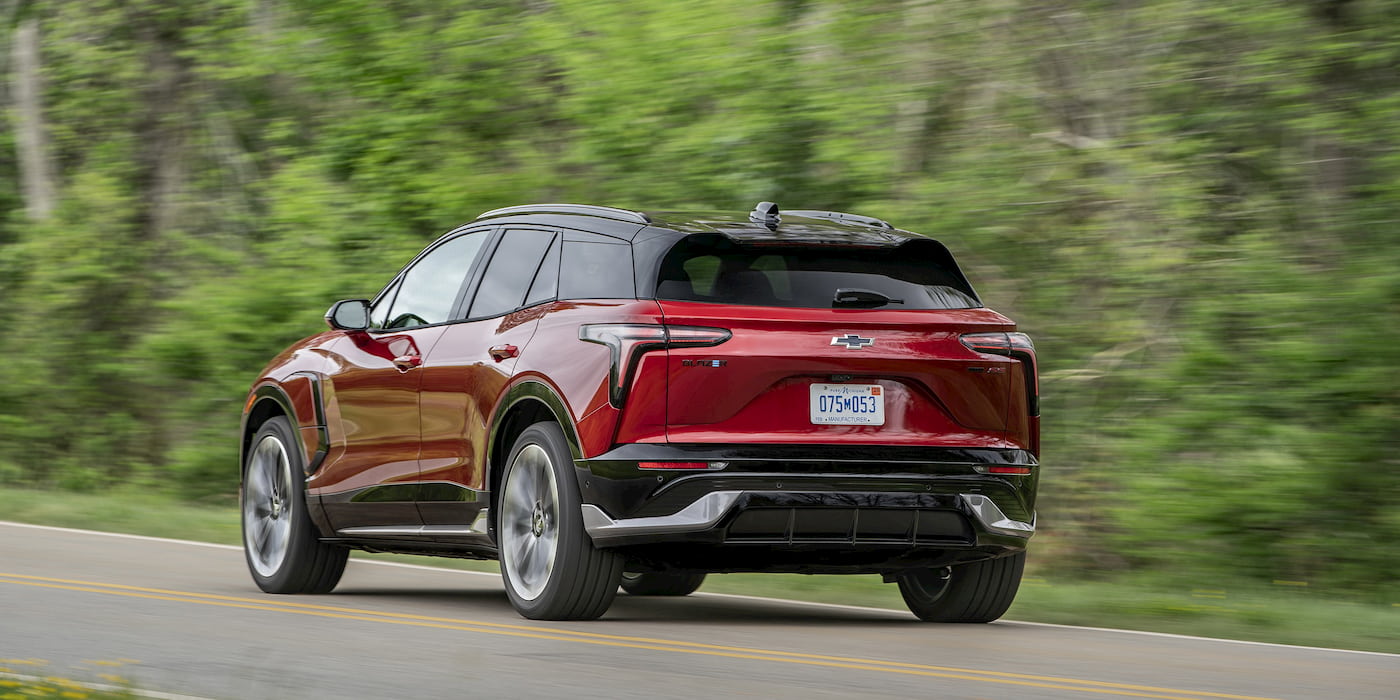
GM Drops New EV Plans, Pivots Chevy and Cadillac to GasGM is voluntarily ceding ground in the U.S. EV market it spent billions to build. With Hyundai already outselling its top electric model and Toyota, Rivian, BMW, and Tesla refreshing EVs, the Detroit automaker faces shrinking volume just as it commits capital to fresh gas engines — a bet that becomes harder to reverse if rivals lock in EV buyers and battery supply chains.

Brazil Forces Raze Amazon Gold Camp in Nambiquara TerritoryThe Sararé operation is Lula's 10th anti-mining crackdown, yet each success merely displaces miners to new territories rather than ending the trade — and the campaign's survival hinges on Lula winning October's election against Flávio Bolsonaro, where his lead is narrow.
Why it matters: Toyota's public admission that it is 'losing to China,' paired with GM's $10.9 billion in EV write-downs and a fresh gas pivot, locks the world's two largest legacy automakers into a multi-year strategic disadvantage as battery supply chains, software, and consumer mindshare consolidate around Chinese, Korean, and Tesla-led competitors.
Ask SkimNews