Home Batteries Save Money, Not Just Power — SkimNews
Get the Energy newsletter
Daily energy & climate — solar, EVs, oil, the policy fights and tech bets shaping the transition. Free.
- Home battery systems typically get marketed as backup power insurance, but their highest-value use is arbitrage against time-of-use electricity rates — charging when power is cheap (or negative-priced) and discharging when prices spike.
- In ComEd's Illinois territory, baseline electricity of ~$0.10/kWh has surged past $2/kWh during extreme weather events with a theoretical ceiling of $3.70/kWh, meaning a 20 kWh battery worth ~$2 on a normal day can be worth $40-$70 during price spikes.
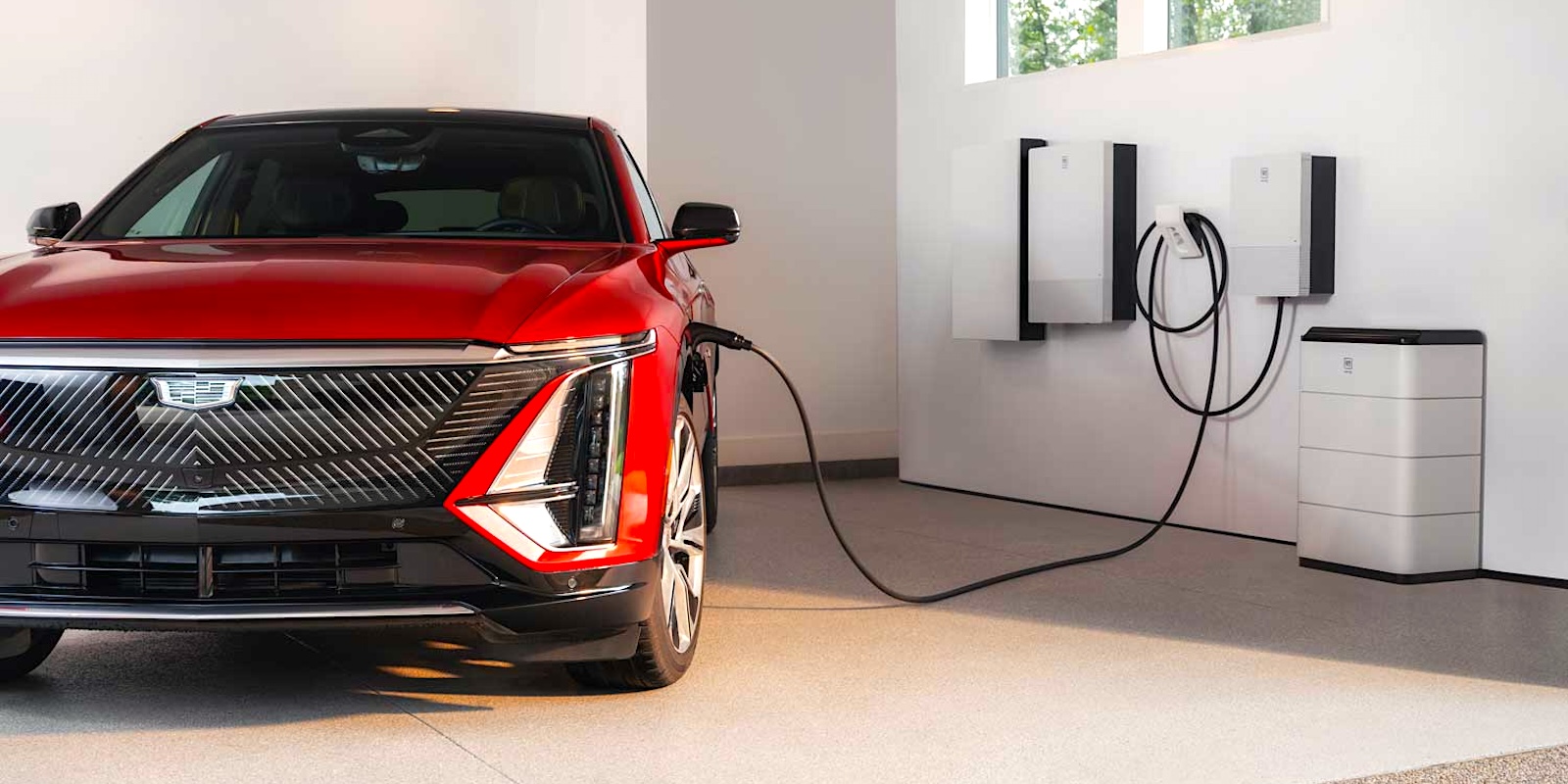
- GM Energy's Jim Reilly described his own high-end home energy setup as "Energy Dominance," saying he "own[s] the refinery and the delivery system" while others react to pump prices.
- Home solar systems typically break even in about 10 years with 10-15 additional years of energy production ahead, and a study of 5,000+ home sales found solar-equipped homes sold for 5-10% more — a $39,500-$79,000 price boost.
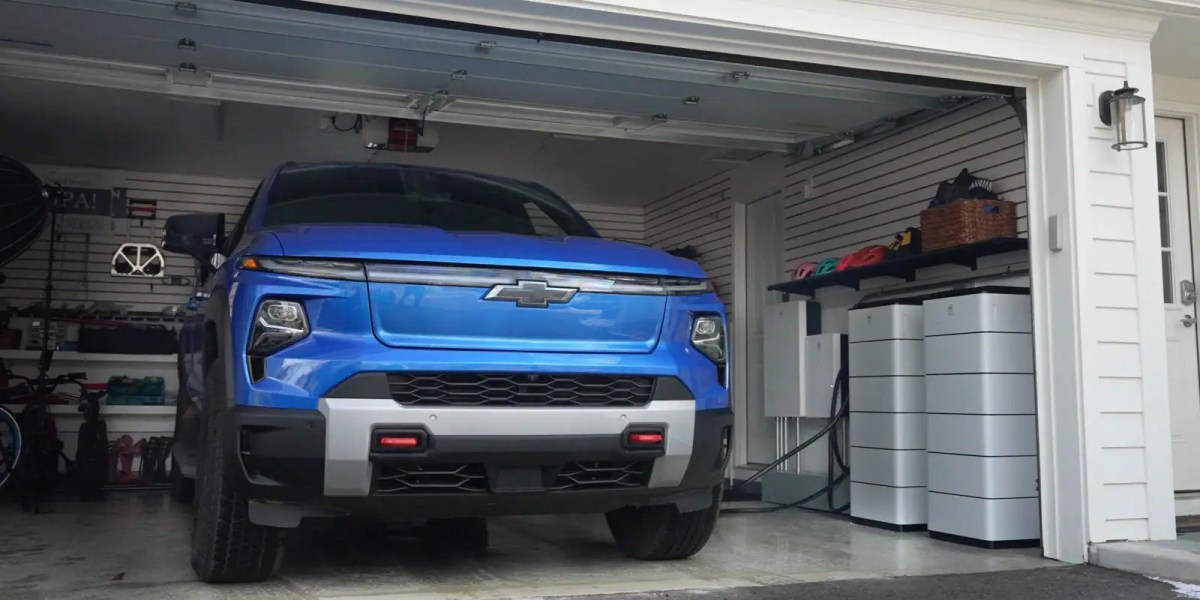
- Every current GM-brand BEV (from the Chevy Bolt to the 9,000-lb. GMC Hummer EV) is compatible with GM Energy home battery and solar systems, and can double as emergency transportation during evacuations per GM Energy executive Aseem Kapur.
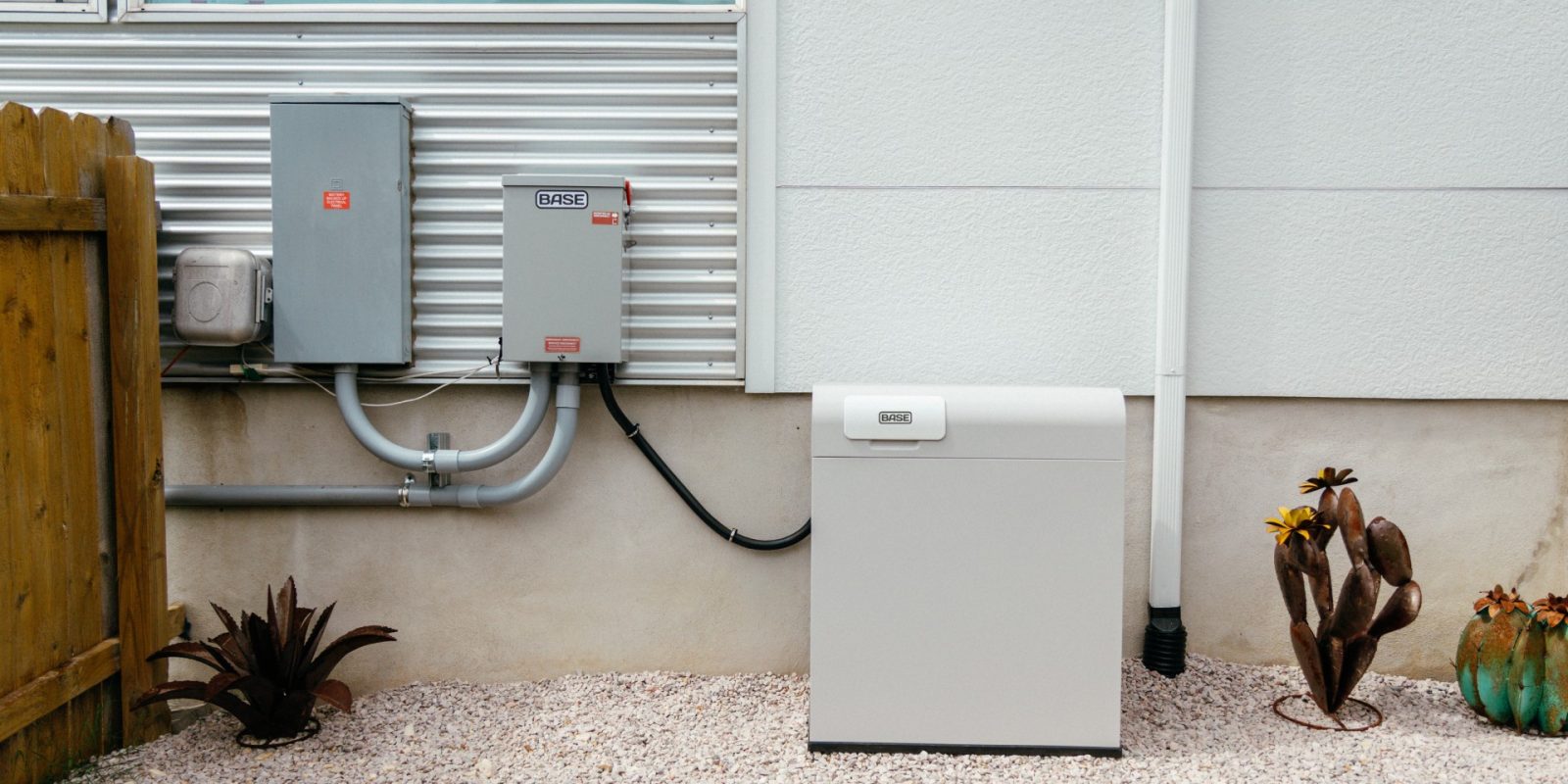
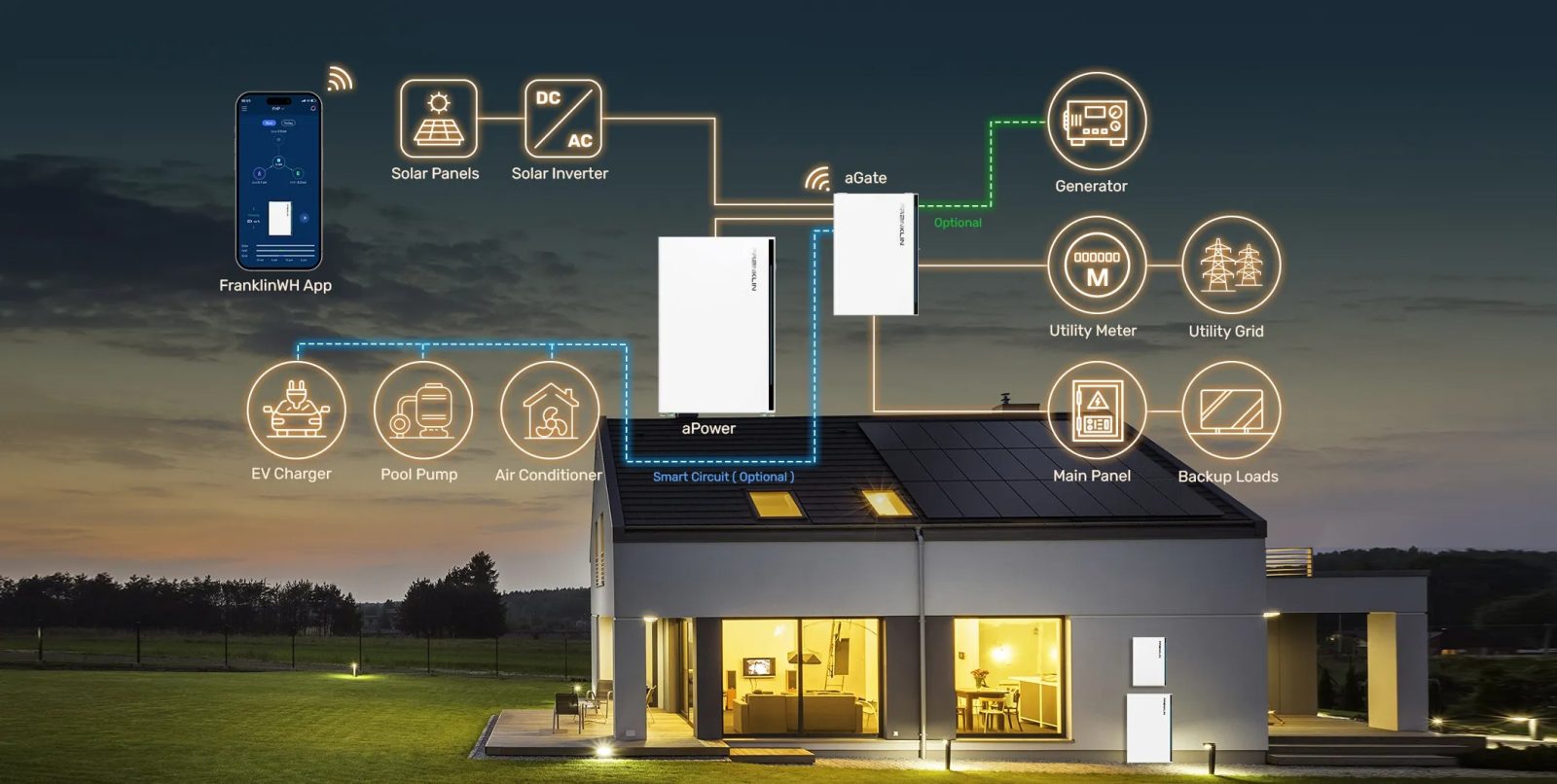
- Batteries can be retrofitted onto homes with existing solar arrays, or added to non-solar homes with additional work, per the article's framing.
Why it matters: The framing flips how consumers should evaluate a $10,000+ battery purchase: as a financial instrument that pays back through rate arbitrage and home resale value, not just insurance. With ComEd's 20 kWh batteries turning $2 of stored energy into $40-$70 during price spikes, payback math for time-of-use rate customers is far stronger than the backup-power-only pitch suggests.
Ask SkimNews