Birmingham AI Study IDs Shared Gut Disease Biomarkers — SkimNews
Get the Health newsletter
Daily health & science — research, biotech, public health, the studies worth knowing. Free.
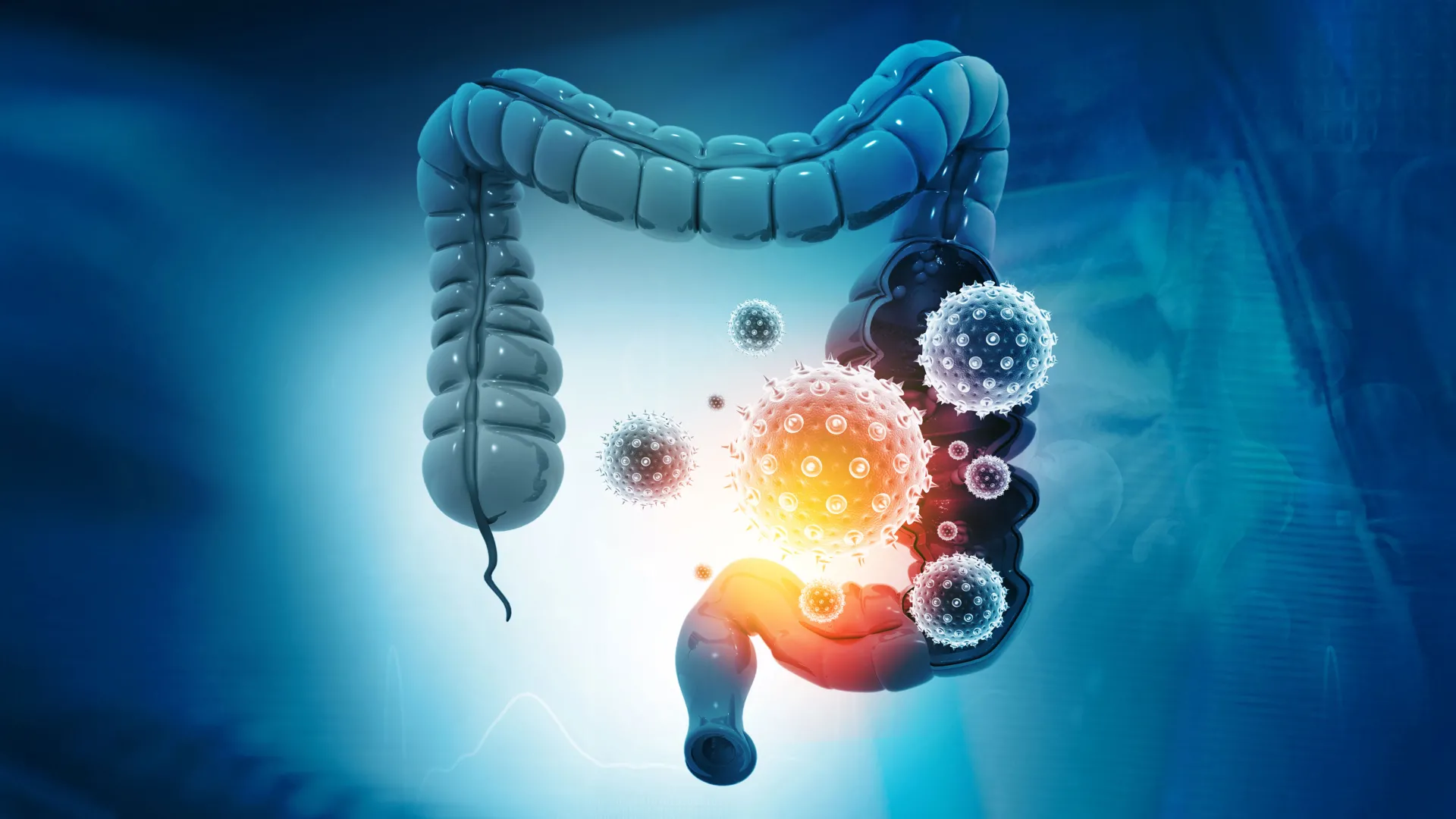
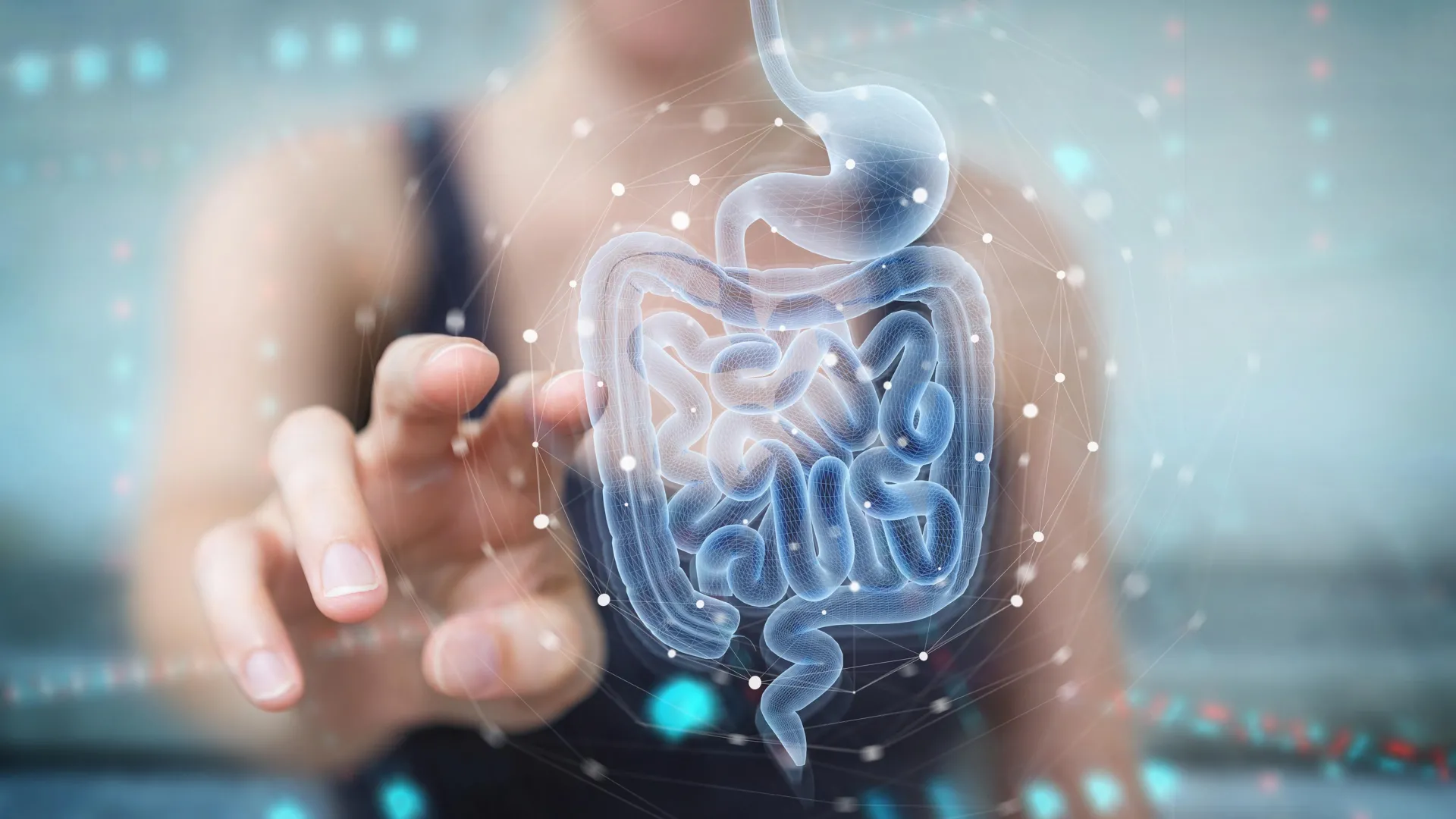
- University of Birmingham researchers used machine learning to analyze microbiome and metabolome data from patients with gastric cancer, colorectal cancer, and IBD, finding that models trained on one condition could predict biomarkers for another
- Dr. Animesh Acharjee, the study's lead co-author, said current diagnostics like endoscopy and biopsies are "invasive, expensive, and sometimes miss diseases at early stages" and that the identified biomarkers could enable earlier, more personalized treatment
- Gastric cancer showed distinct microbial signatures from Firmicutes, Bacteroidetes, and Actinobacteria groups, plus metabolite changes in dihydrouracil and taurine — some of which also surfaced in IBD patients
- Colorectal cancer was marked by Fusobacterium and Enterococcus bacteria and metabolites including isoleucine and nicotinamide, with overlaps into gastric cancer suggesting shared underlying biological pathways
- IBD signatures centered on Lachnospiraceae bacteria and metabolites like urobilin and glycerate, some of which are involved in cancer-related processes — reinforcing the cross-disease connection
- The team's metabolic simulations showed clear differences between healthy individuals and those with disease, further supporting the biomarkers' diagnostic potential
- Findings were published in the Journal of Translational Medicine by teams from University of Birmingham Dubai, University of Birmingham UK, and University Hospitals Birmingham NHS Foundation Trust
Why it matters: The cross-disease finding reframes three conditions — including non-cancerous IBD — as biologically linked rather than siloed, meaning a single biomarker panel could eventually screen for multiple GI diseases at once. For the millions who undergo endoscopy annually, the most immediate payoff would be a non-invasive test that catches cancers earlier, when treatment outcomes improve substantially.
Ask SkimNews