Colorectal Tumors Have Distinct Microbial Signature — SkimNews
Get the Health newsletter
Daily health & science — research, biotech, public health, the studies worth knowing. Free.
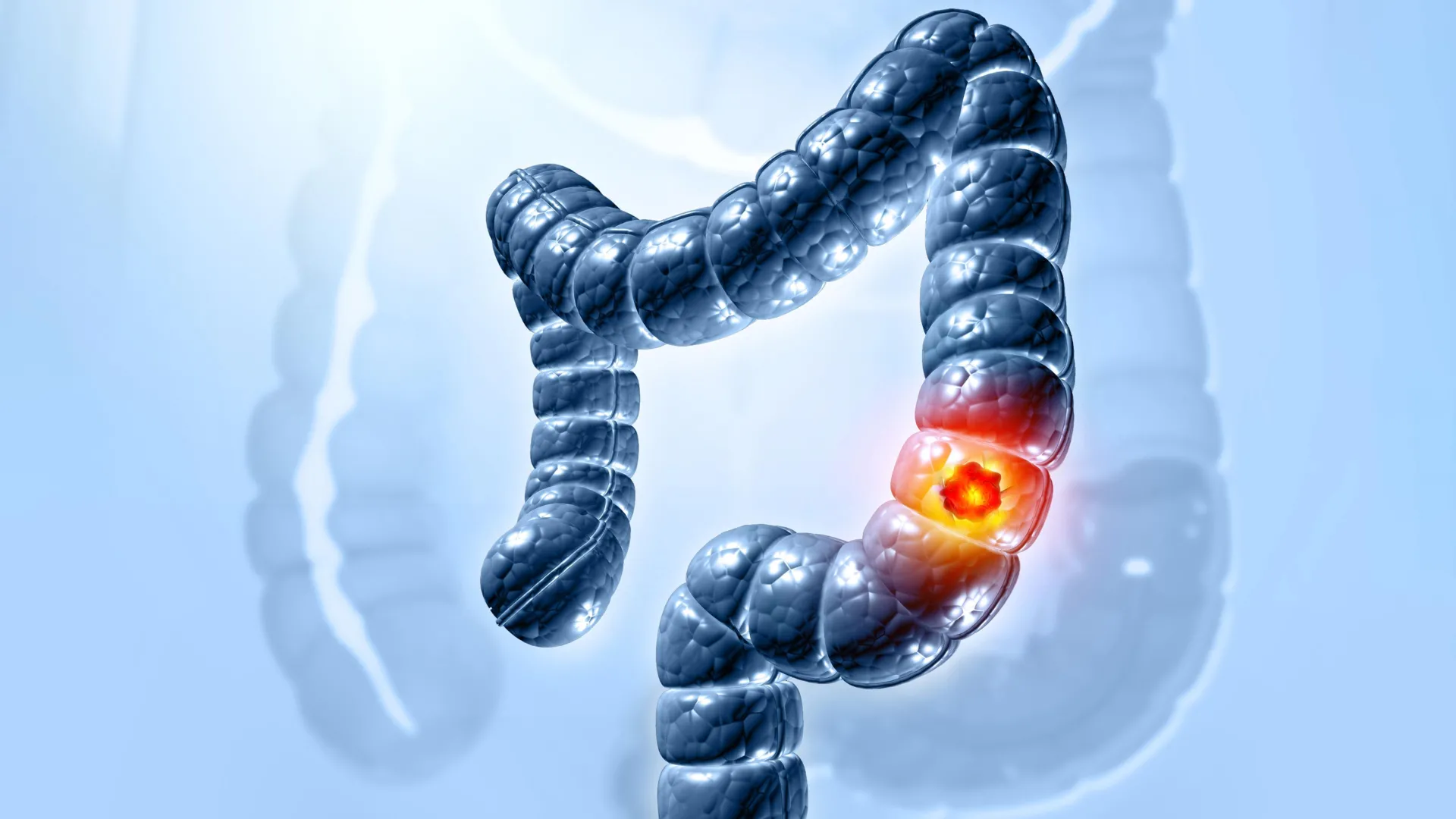
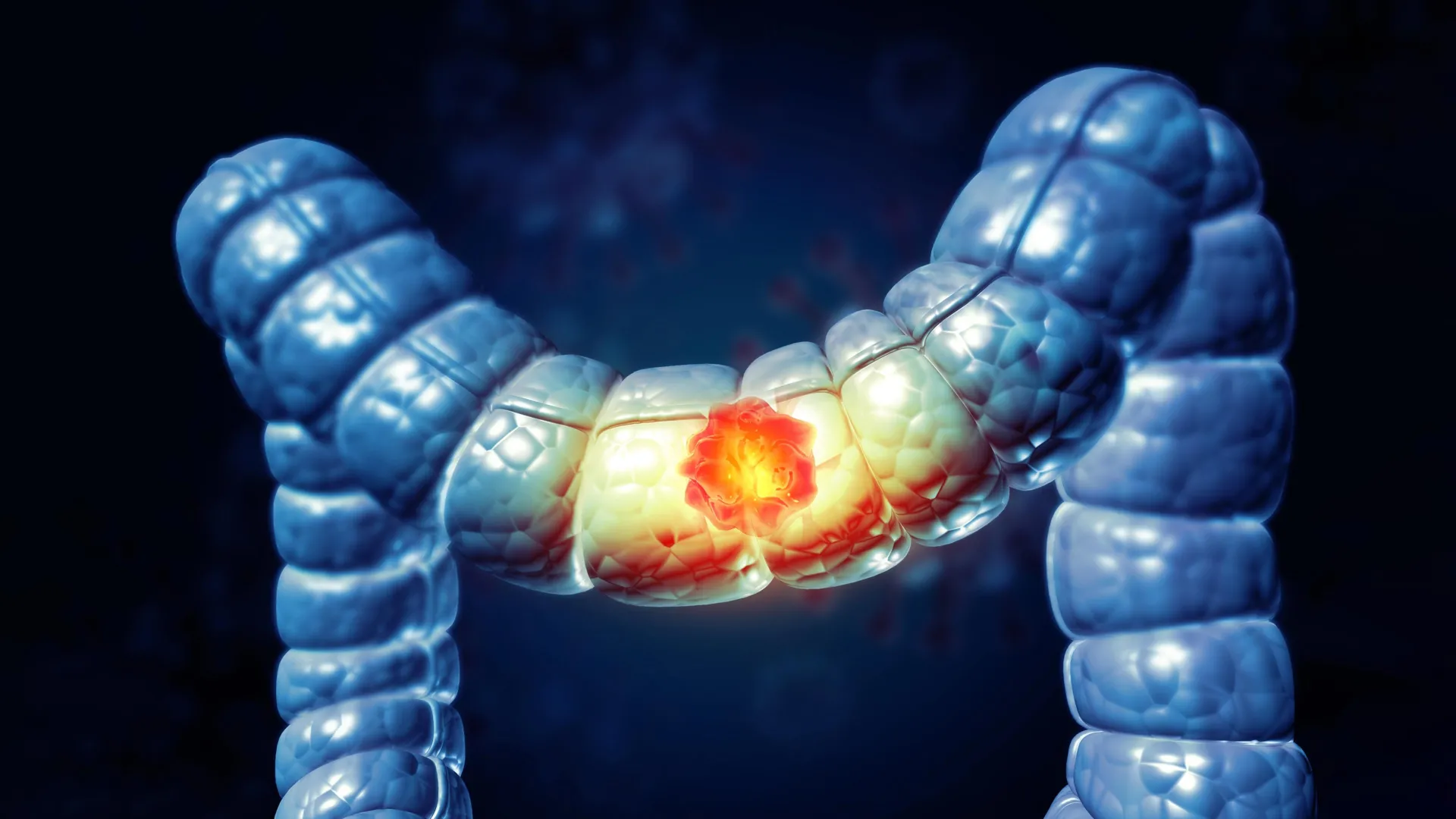
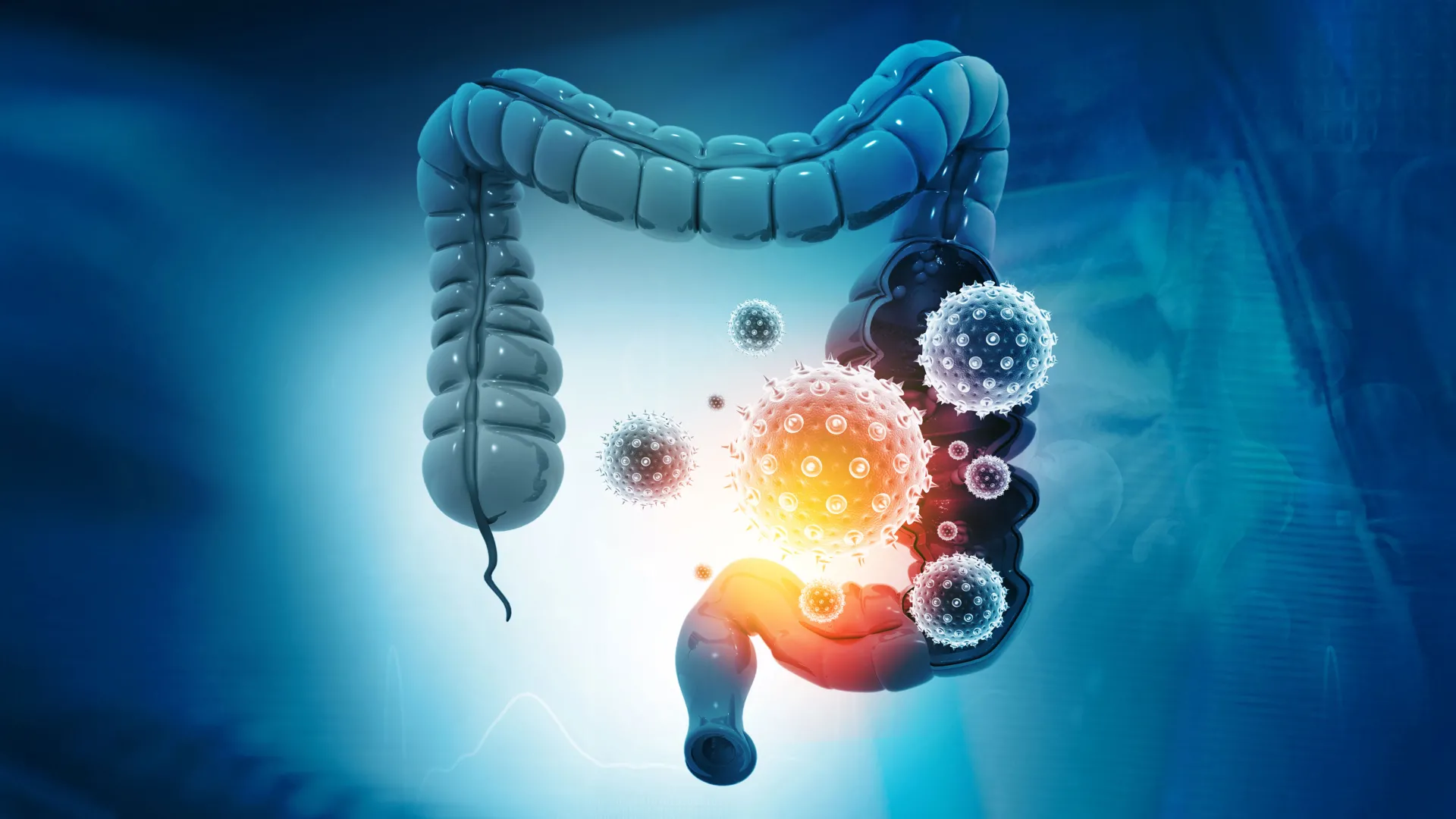
- University of East Anglia researchers analyzed whole genome sequencing data from 11,735 cancer samples across 22 cancer types, including over 9,000 patients, and found that only colorectal tumors consistently host distinct microbial communities.
- Dr. Abraham Gihawi said the study overturns the belief that every cancer has a unique microbial signature and argued that tumor‑associated microbes could become a low‑cost diagnostic tool as whole‑genome sequencing expands in hospitals.
- Genomics England supplied the DNA sequence data that allowed the team to strip human DNA and examine the remaining microbial DNA for clinical correlations.
- Science Translational Medicine published the findings, which also reported detection of HPV in oral cancers and rare HTLV‑1 virus, highlighting broader clinical relevance beyond colorectal cancer.
- Prof Daniel Brewer emphasized that the work shows whole‑genome sequencing can uncover hidden pathogens and inform prognosis, especially noting bacterial links to survival in sarcoma patients.
- Big C Cancer Charity and Prostate Cancer UK funded the project, underscoring charitable investment in microbiome‑cancer research.
Why it matters: Clinicians gain a precise, inexpensive biomarker for colorectal cancer diagnosis and prognosis, while researchers obtain a new avenue to study tumor‑microbe interactions; the finding also shows that routine whole‑genome sequencing can uncover hidden infections, potentially altering patient management without added expense.
Ask SkimNews