Kia EV5 Prototype Spotted Testing in US Again — SkimNews
SkimNews Take
Kia's consumer-focused EV5 rollout contrasts with Tesla's pivot toward robotaxis, suggesting the two EV leaders are diverging into distinct competitive lanes — mass-market electrification versus autonomy-as-service.
Get the Energy newsletter
Daily energy & climate — solar, EVs, oil, the policy fights and tech bets shaping the transition. Free.
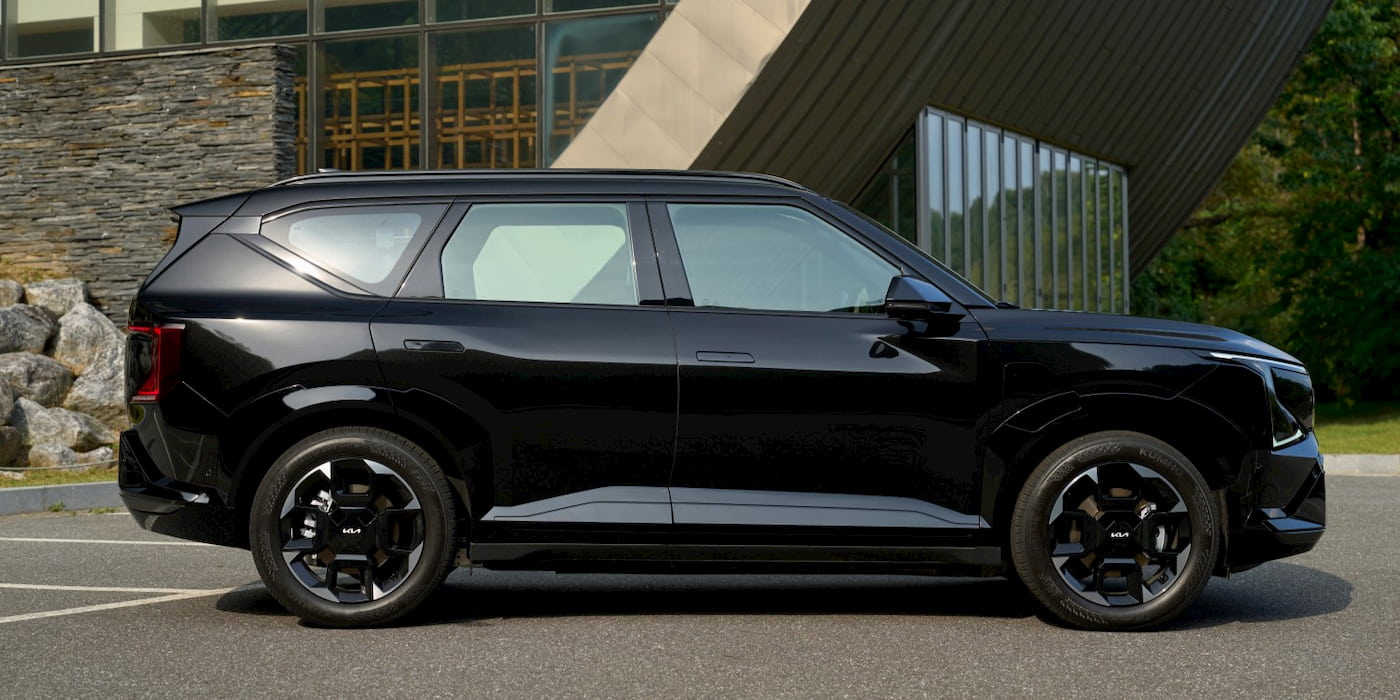
- Kia EV5 prototype was spotted testing in the US, with the blacked-out test car — likely the GT-Line trim — sporting front amber turn signals required by US regulations
- Kia previously stated the EV5 would be "exclusive to Canada for the North American market," but multiple US sightings in different variations are raising hopes of a US launch
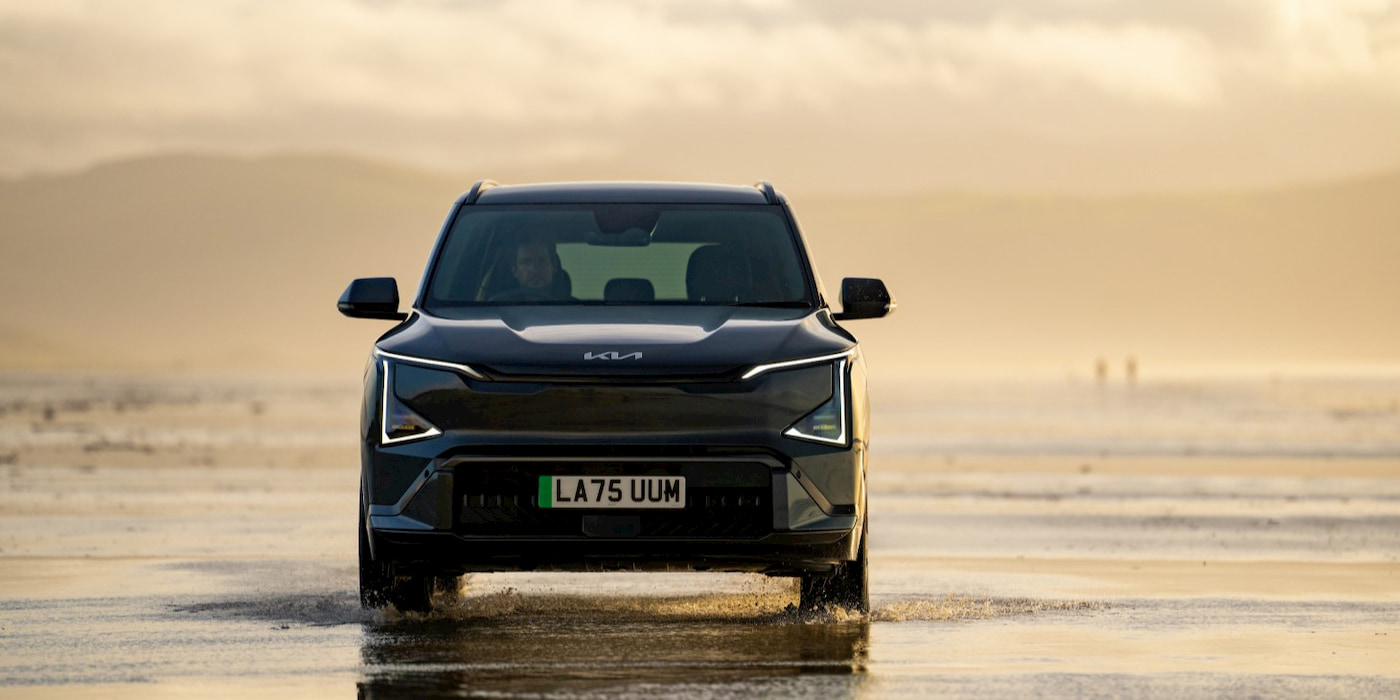
- The EV5 is currently available to order in Europe, South Korea, Thailand, Australia, and Canada, with Canadian pricing spanning $43,495 CAD to $61,495 CAD across nine trims
- Most EV5 trims use an 81.4 kWh battery delivering up to 460 km (285 miles) of range, while the entry-level Light trim gets a 60.4 kWh pack; all variants include a NACS port for Tesla Supercharger access
- SUVs dominated the US EV market in Q1 2026, with 8 of the 10 best-selling EVs being SUVs (including the Tesla Model Y at #1), while Kia delayed its EV4 electric sedan "indefinitely" for the US
- A US-spec EV5 would slot between Kia's EV3 — expected to start at around $35,000 — and the three-row EV9, whose US sales surged 481% year-over-year in April
- At 4,610 mm long, the EV5 is roughly 70 mm longer than the Kia Sportage and comparable in size to the Tesla Model Y, with Kia claiming "best-in-class" second-row legroom of 1,041 mm
Why it matters: The EV5 would fill a midsize SUV gap in Kia's US EV lineup between the incoming EV3 and the already-popular EV9. With 8 of the 10 best-selling US EVs in Q1 2026 being SUVs and Kia's own EV9 sales up 481% year-over-year in April, the market math clearly favors adding a Model Y-sized option with NACS charging access — making the repeated US testing sightings hard to dismiss as routine Canadian-market validation.
Ask SkimNews
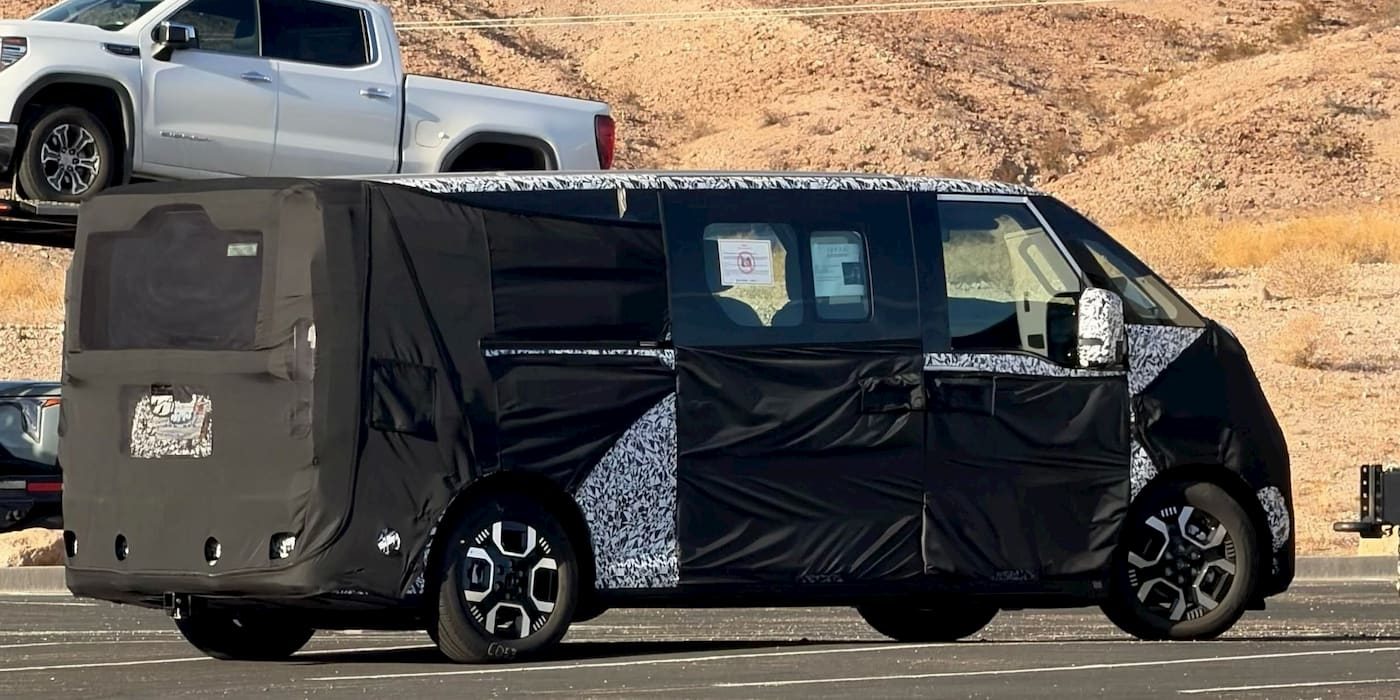
![Kia’s larger electric van caught with less camo ahead of its ‘big’ debut [Images]](https://electrek.co/wp-content/uploads/sites/3/2026/08/Kia-PV7-caught.jpeg?quality=82&strip=all&w=1400)
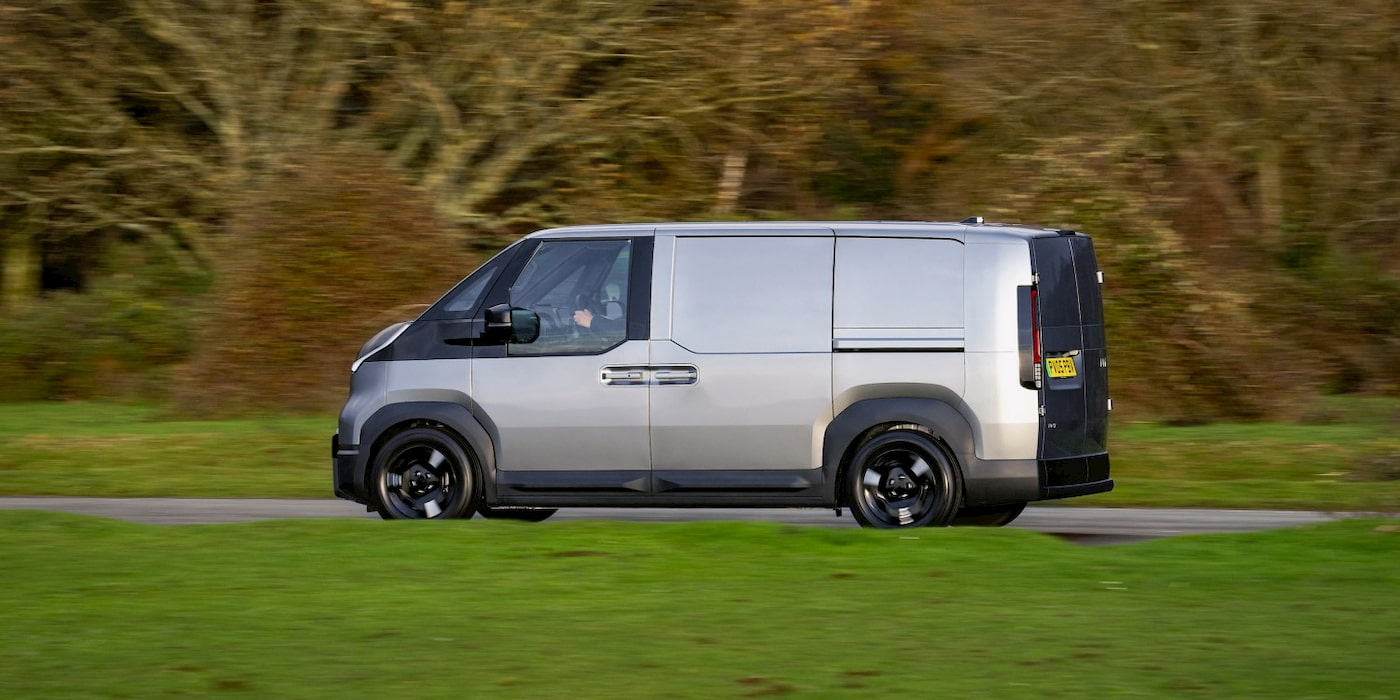
![The Kia PV5 is getting a bigger sibling: Here’s our first look at the PV7 [Video]](https://electrek.co/wp-content/uploads/sites/3/2026/06/Kia-PV7-EV-van-first-look.jpeg?quality=82&strip=all&w=1400)