Myanmar Junta Outmaneuvers ASEAN at Bangkok Talks — SkimNews

Get the Geopolitics newsletter
Daily geopolitics — wars, elections, sanctions, the diplomatic moves that move markets. Free.
- Myanmar's military held an early-2026 controlled election that installed coup leader Min Aung Hlaing as president of a nominal civilian government, manufacturing cosmetic constitutional legitimacy to coax ASEAN into restoring Myanmar's participation.
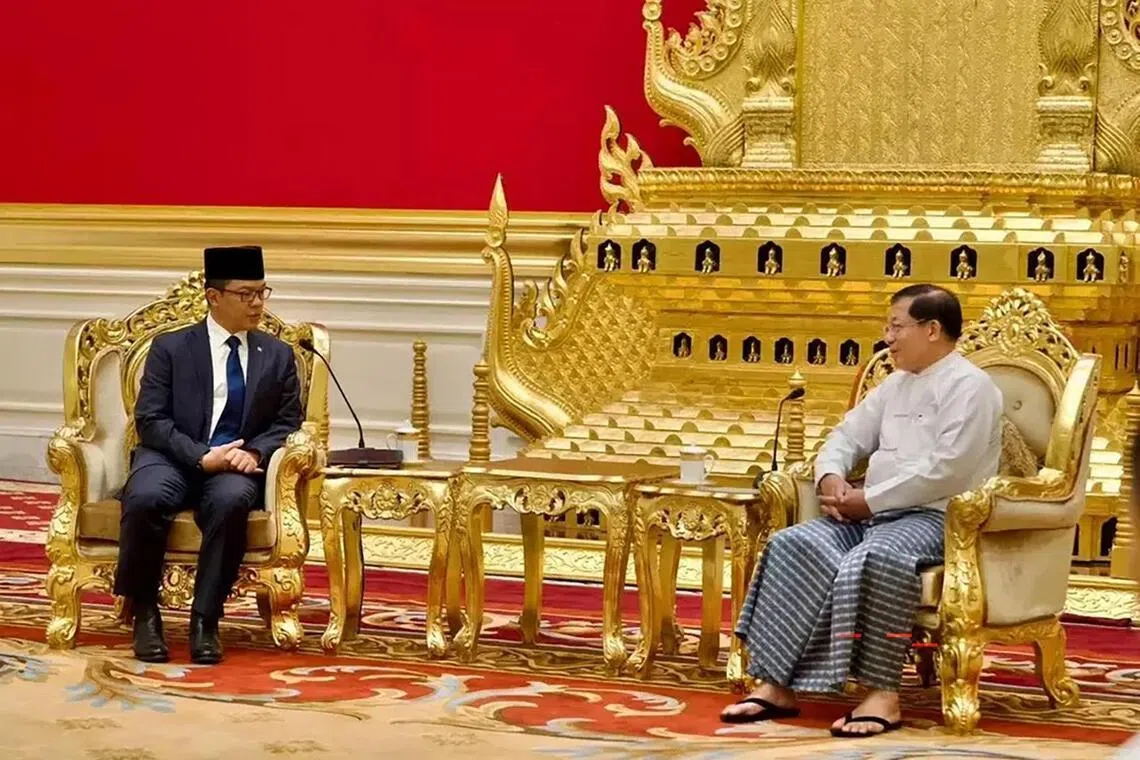
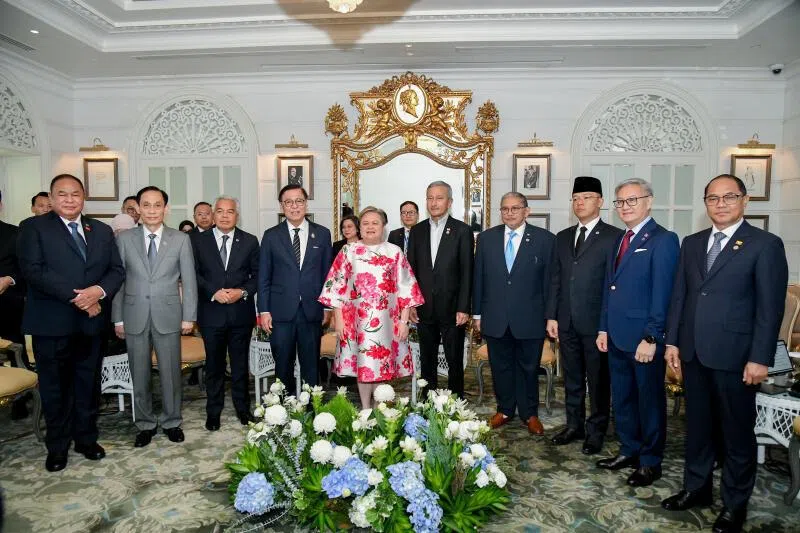
- ASEAN's July 12, 2026 Bangkok meeting, initiated by the Philippines as 2026 chair and facilitated by Thailand, refused to recognize the January 2026 elections and kept Myanmar frozen out of high-level summits.
- Myanmar's junta flatly rejected ASEAN's primary demands — halting military operations, inclusive dialogue with the National Unity Government, and physical access for the special envoy to Aung San Suu Kyi — offering only limited expansion of the AHA Centre humanitarian mission.
- China, India and Russia function as the junta's primary external lifelines: China protecting Belt and Road assets including the trans-Myanmar oil and gas pipelines and Kyaukphyu deep-sea port, India securing the Kaladan multimodal transit and critical minerals, and Russia supplying fighter jets, attack helicopters and UN Security Council cover, with Chinese FM Wang Yi visiting Naypyidaw in April 2026.
- ASEAN's economic isolation triggered an 18% GDP contraction at the start of the crisis and a chronic foreign exchange shortage, forcing the junta to rely on illicit cross-border trade in jade, timber and rare earths.
- The 2021 Five-Point Consensus has proven "toothless" because the ASEAN Charter lacks formal enforcement mechanisms and sanctions, a structural flaw the Tatmadaw has systematically exploited since 2021.
Why it matters: The Myanmar standoff exposes ASEAN's structural failure: a charter without enforcement mechanisms leaves the bloc unable to enforce even its 2021 Five-Point Consensus. The result: an 18% GDP collapse in Myanmar, junta survival propped up by China and Russia, and a template mainland states like Cambodia, Laos and Vietnam are already using to shield the regime.
Ask SkimNews