Study: Cutting Sweet Foods Doesn't Curb Cravings — SkimNews

Get the Health newsletter
Daily health & science — research, biotech, public health, the studies worth knowing. Free.
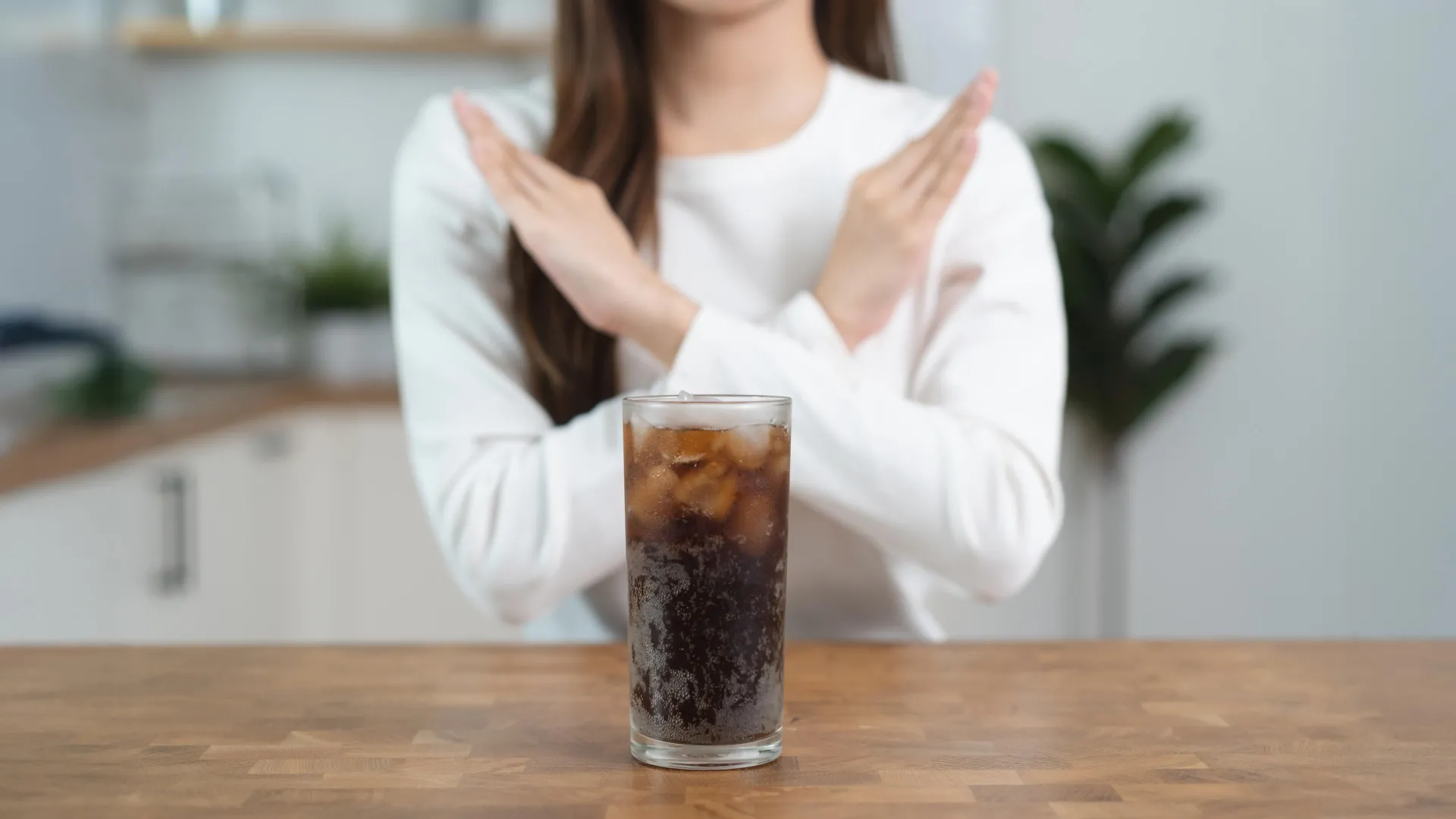
- Wageningen University and Research and Bournemouth University randomized 180 participants into high-, low-, and average-sweetness diets over six months, with sweetness drawn from sugar, low-calorie sweeteners, and naturally sweet foods; at one, three, and six months, the three groups showed no significant differences in sweet-taste liking, body weight, blood pressure, or blood and urine markers tied to diabetes and cardiovascular risk.
- The American Journal of Clinical Nutrition published the trial (the "Sweet Tooth Trial"), challenging WHO-style guidance that broadly urges people to cut sweet-tasting foods to address overweight and obesity.
- Katherine Appleton, Professor in Psychology at Bournemouth University and corresponding author, said the results do not support advice that treats all sources of sweetness equally, since sweetness from sugar, low-calorie sweeteners, and natural sources carry very different nutritional profiles.
- Participants largely drifted back to their pre-trial sweet-food consumption habits after the study ended, suggesting that any short-term change in sweet intake does not stick.
- The researchers explicitly distinguish sweetness from sugar: fast food can be sugar-dense without tasting sweet, while fresh fruit and dairy are sweet but associated with health benefits, leading them to argue dietary advice should target sugar and energy-dense foods rather than sweet taste itself.
Why it matters: Public health bodies including the WHO have promoted reducing sweet-tasting foods to fight obesity, but this six-month, 180-person randomized trial found no change in taste preference, body weight, or cardiometabolic markers across sweetness levels. Researchers argue guidance should target sugar and calorie content specifically, reframing dietary advice away from 'sweet equals bad' toward nutrition-quality messaging.
Ask SkimNews