Saft to Power European Nuclear Subs with Lithium-Ion — SkimNews
Get the Energy newsletter
Daily energy & climate — solar, EVs, oil, the policy fights and tech bets shaping the transition. Free.
- Saft will supply its proprietary lithium-ion battery energy storage systems (BESS) for next-generation naval submarines, replacing decades-old lead-acid technology with EV-style packs that promise higher energy density, faster charging, and superior underwater endurance.
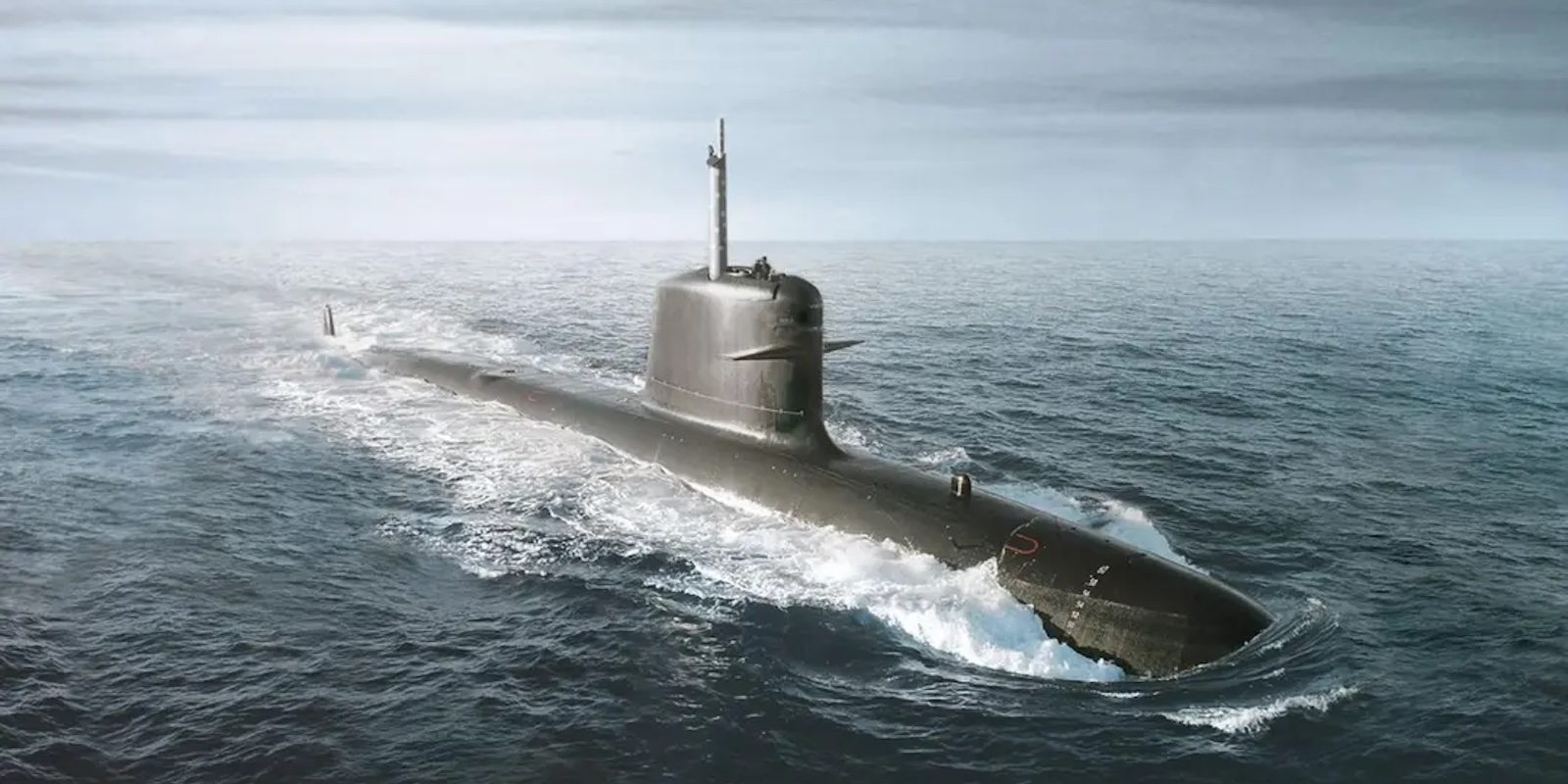
- Naval Group announced plans to install Saft's lithium-ion BESS into its Barracuda and Scorpene Class nuclear submarines, where the packs are expected to offer a major improvement over the lead-acid batteries that have been in service on nuclear submarines since the Cold War.
- Nuclear submarines rely on massive battery banks to operate quietly, respond quickly to power demands, and keep life-support systems running when the reactor is down — and lead-acid batteries have long taken up huge amounts of valuable internal space that the new lithium-ion footprint could free up.
- Saft CEO Cedric Duclos called advanced battery technology "a defining factor in submarine performance," positioning the company "at the heart of next-generation naval defense programs" and framing the deal as a step forward for "European technological sovereignty."
- Saft is a subsidiary of energy and petroleum giant TotalEnergies, which views the contract as strengthening its position in European defense programs and confirming growing demand for its advanced battery technology in maritime applications.
Why it matters: For European naval forces, swapping Cold War-era lead-acid batteries for Saft's lithium-ion packs extends quiet-operation endurance on stored power and frees hull space for crew habitability, while positioning TotalEnergies-owned Saft as a strategic supplier in a European defense market increasingly driven by advanced energy storage.
Ask SkimNews