Bangladesh Shelves PM India Visit Over Hasina, Ganges Treaty — SkimNews

Get the Geopolitics newsletter
Daily geopolitics — wars, elections, sanctions, the diplomatic moves that move markets. Free.
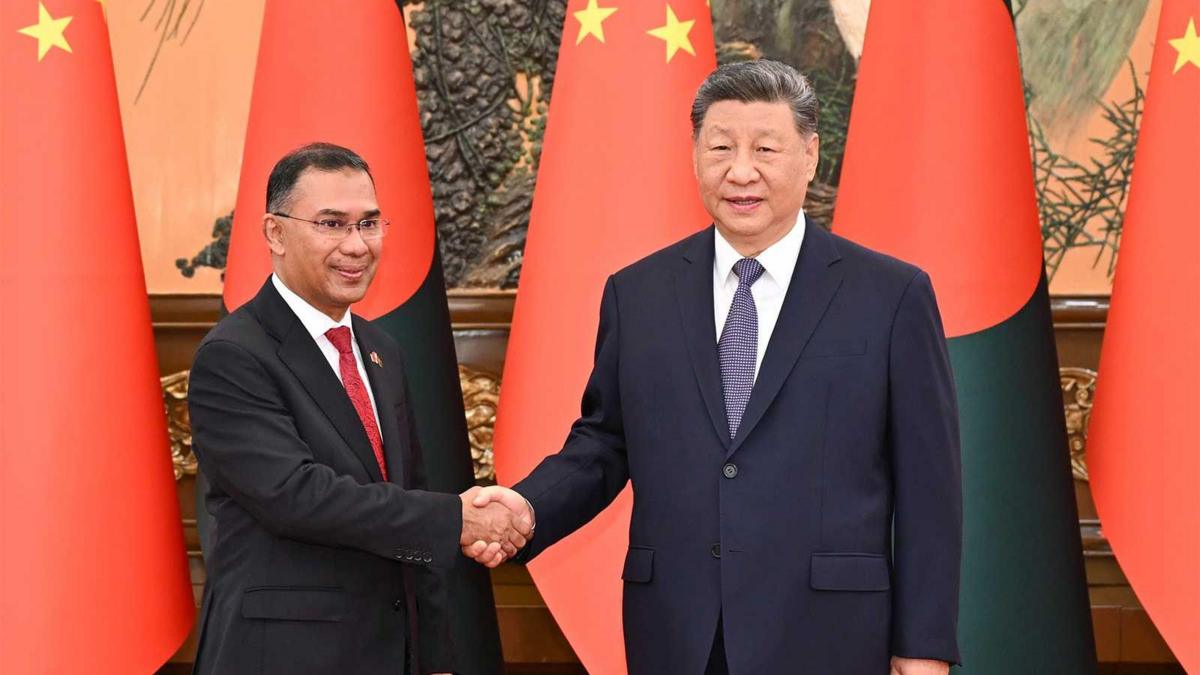
- Tarique Rahman, Bangladesh's new prime minister, has shelved plans to visit India — a decision confirmed by senior officials at the Ministry of Foreign Affairs to the daily Amar Desh; diplomatic sources in both capitals say such a visit is virtually non-existent this year.
- The Ganges Water Sharing Treaty expires this December, and New Delhi has not responded to Dhaka's requests to extend the existing agreement pending negotiation of a comprehensive replacement.
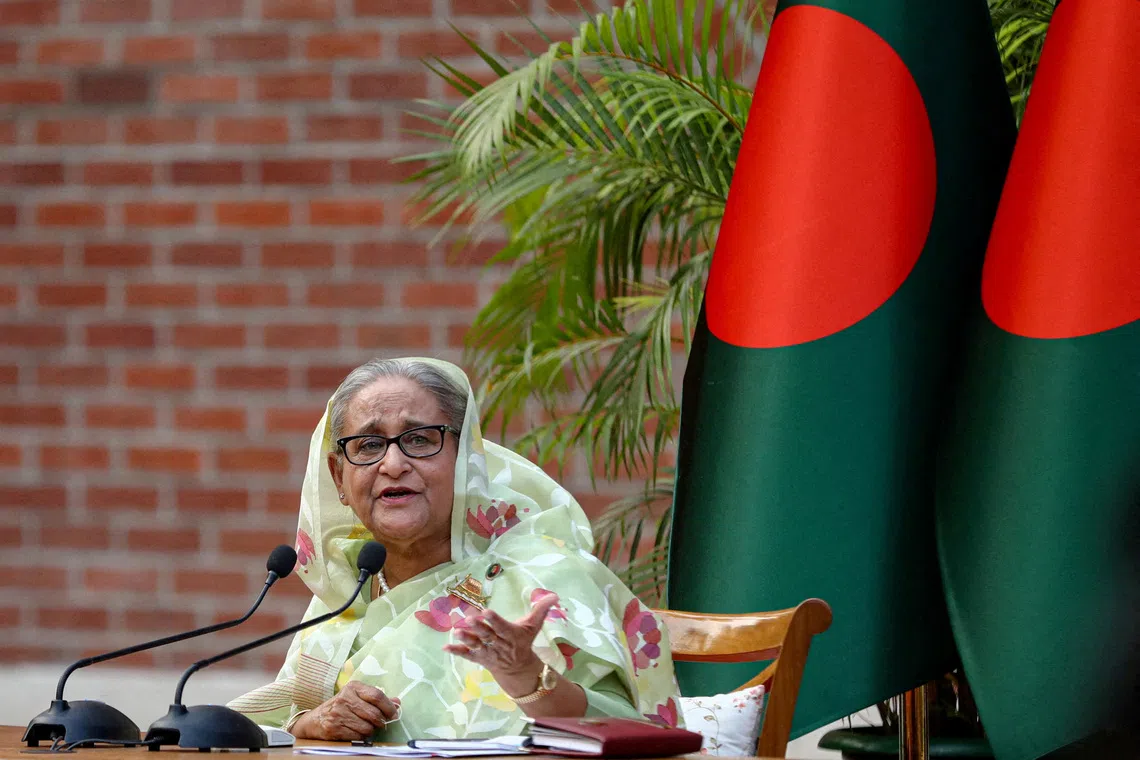
- Sheikh Hasina, the ousted PM sentenced to death by Bangladesh's International Crimes Tribunal for crimes against humanity linked to the suppression of student protests, told Reuters she intends to return from Delhi exile this December despite acknowledging she could face arrest, execution, or assassination.
- Dhaka replaced High Commissioner M Riaz Hamidullah in New Delhi with serving Foreign Secretary Asad Alam Siam, a shift that a senior Foreign Ministry official described as ending an "overly deferential" approach to India.
- Zahed Ur Rahman, a top policy adviser to PM Rahman, abandoned a trip to India after prolonged immigration harassment at Delhi airport, prompting Bangladesh to summon India's acting high commissioner and lodge a formal protest.
- Bangladesh is redirecting diplomacy toward Rahman's participation in the UN General Assembly alongside planned state visits to Japan and Saudi Arabia, while analysts urge Dhaka to preserve the strategic foundation of Bangladesh-China relations.
Why it matters: The Ganges Treaty's December expiry imposes a hard deadline on a relationship already strained by the Hasina asylum question and the High Commissioner swap. India invested 15 years in Hasina's government as its closest South Asian partner, per the article, but Dhaka is now pivoting toward Beijing, Tokyo, and Riyadh — every bilateral concession narrows New Delhi's room to shield Hasina indefinitely.
Ask SkimNews