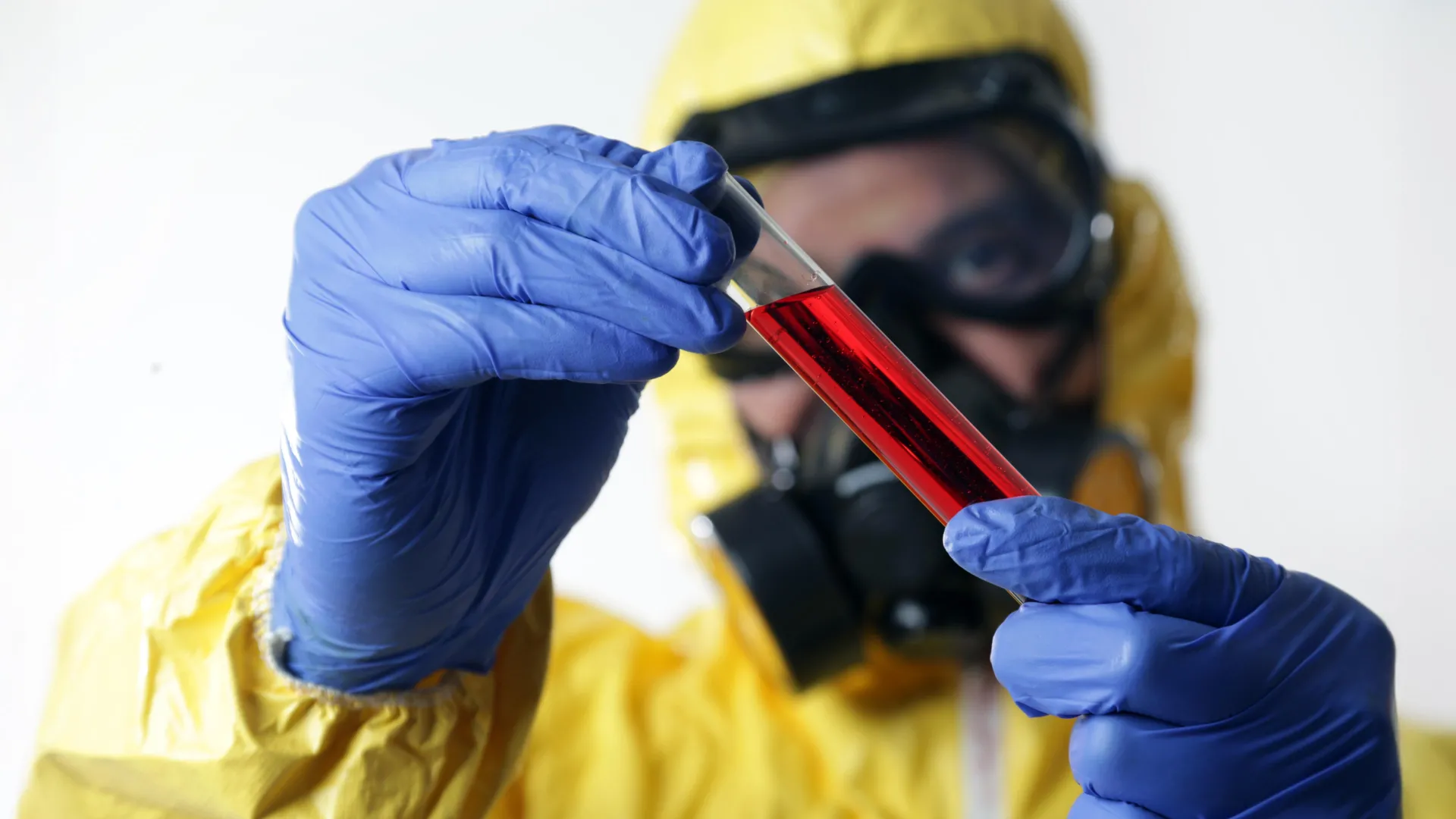
Ebola doctor: The Hot Zone got Ebola's public image — SkimNews

Get the Health newsletter
Daily health & science — research, biotech, public health, the studies worth knowing. Free.
- Krutika Kuppalli, an infectious diseases physician and former WHO medical officer, says Richard Preston's 'The Hot Zone' inspired her to pursue a career in infectious diseases after she first read the book in college.
- Kuppalli served as medical director of an Ebola treatment unit in Sierra Leone during the 2013–2016 West Africa epidemic and has since supported Ebola preparedness and response efforts in Africa and globally.
- 'The Hot Zone' established a lasting public image of Ebola as a uniformly hemorrhagic disease in which patients bleed from every orifice, but overt bleeding is neither universal nor the defining feature of Ebola virus disease, Kuppalli writes.
- Ebola most commonly presents with fever, profound fatigue, vomiting, diarrhea, and abdominal pain, with severe illness driven by dehydration, shock, immune dysregulation, and multiorgan dysfunction rather than catastrophic hemorrhage.
- Ebola is transmitted through direct contact with the blood or bodily fluids of someone who is symptomatic or contaminated materials, and casual contact — including sharing public spaces or walking past someone in an airport — does not place people at meaningful risk, according to decades of scientific evidence Kuppalli cites.
- Since the 2013–2016 epidemic, scientists have developed highly effective vaccines against Zaire ebolavirus, monoclonal antibody therapies that improve survival, and rapid diagnostics — advances Kuppalli says deserve far more attention than they receive.
- The ongoing Bundibugyo ebolavirus outbreak in the Democratic Republic of the Congo highlights remaining gaps, with no licensed vaccines or therapeutics for every Ebola species and humanitarian crises continuing to complicate response efforts.
Why it matters: Kuppalli argues that fear-driven misconceptions about Ebola — particularly the 'Hot Zone' image of catastrophic hemorrhage and easy spread — distort public health priorities and push policies like travel restrictions that contribute little to outbreak control, while hundreds of patients, health care workers, and families in affected African communities confront outbreaks with far less public attention.
Ask SkimNews