Salvinia auriculata removes 95% enrofloxacin, partial on chloramphenicol — SkimNews

Get the Health newsletter
Daily health & science — research, biotech, public health, the studies worth knowing. Free.
- University of São Paulo researchers detected 12 antibiotics from four classes—tetracyclines, fluoroquinolones, sulfonamides, and phenols—in water, sediment, and fish from the Piracicaba River near the Santa Maria da Serra dam, with fluoroquinolone and sulfonamide sediment levels exceeding those reported in comparable international studies.
- Chloramphenicol, banned for livestock in Brazil because of toxicity, was found in lambari fish (Astyanax sp.) at tens of micrograms per kilogram during the dry season only—exposing the widely consumed local species as a potential indirect route of human exposure through food.
- Salvinia auriculata removed more than 95% of enrofloxacin from water within a few days, dropping the compound's half-life to roughly 2–3 days, but the same plant removed only 30–45% of chloramphenicol, which had a 16–20 day half-life.
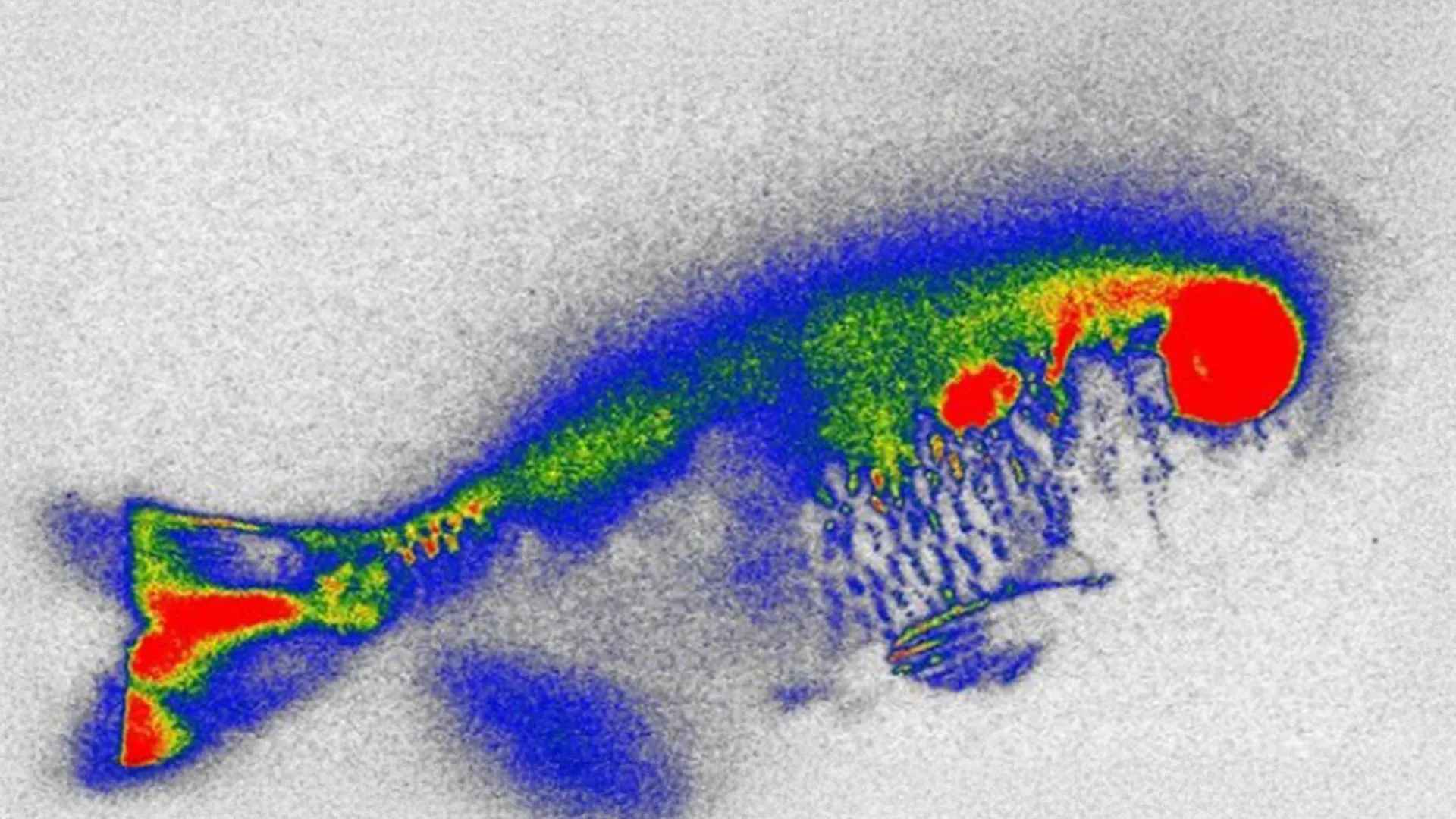
- International Atomic Energy Agency-supplied carbon-14-radiolabeled compounds showed both antibiotics concentrated in Salvinia auriculata's roots, indicating rhizofiltration drives the cleanup—but researchers warn that contaminated plant biomass, if not removed, can become a secondary source of pollution.
- In controlled fish experiments, the plant's reduction of water concentrations sometimes increased antibiotic absorption by lambari, possibly because the macrophyte partially transforms compounds into more bioavailable forms—a paradox that complicates the 'plant-as-sponge' remediation model.
- Salvinia auriculata's presence reduced chloramphenicol-induced DNA damage in fish blood cells (micronuclei and nuclear abnormalities) toward control levels, but the plant did not significantly reduce enrofloxacin's genotoxic effects—likely because enrofloxacin produces more stable, persistent metabolites that the macrophyte cannot neutralize.
Why it matters: Local fishermen and consumers in the Piracicaba basin may be eating fish carrying chloramphenicol, an antibiotic banned in Brazilian livestock because of toxicity. The study also warns that phytoremediation isn't plug-and-play: Salvinia removed >95% of enrofloxacin but only 30-45% of chloramphenicol, and can paradoxically increase fish absorption even as water concentrations drop.
Ask SkimNews