Europe's 'China Shock' as Xi-Trump Summit Looms — SkimNews
Get the Geopolitics newsletter
Daily geopolitics — wars, elections, sanctions, the diplomatic moves that move markets. Free.
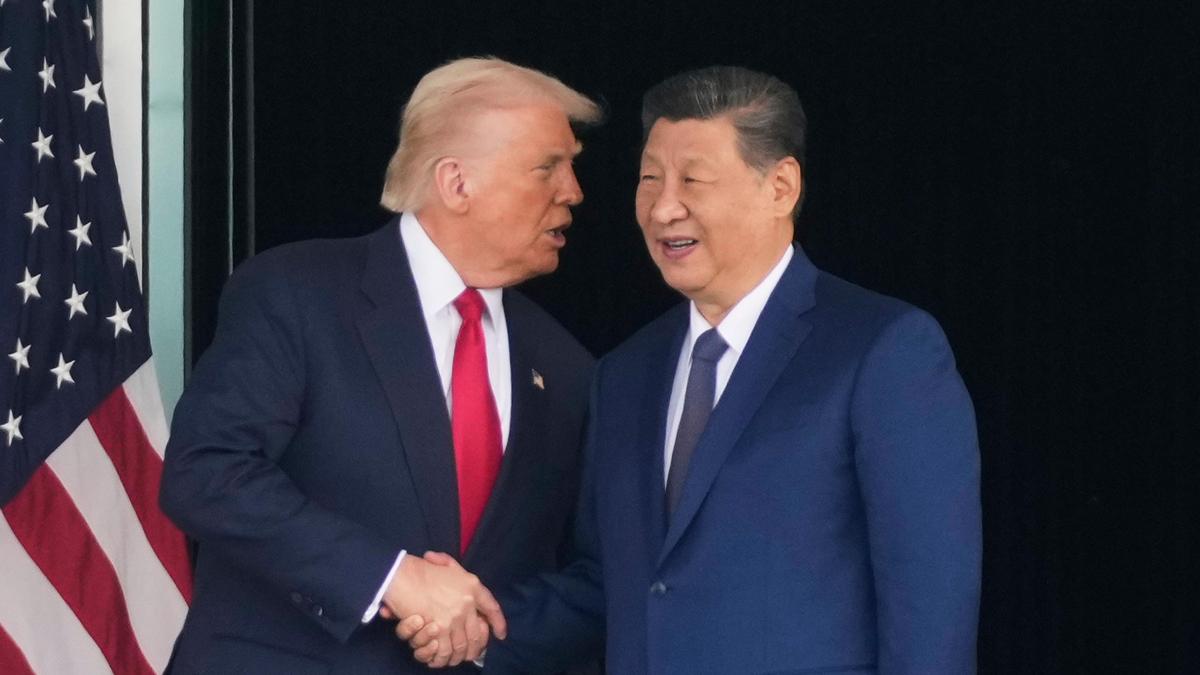
- Xi Jinping and Donald Trump meet in Washington this week, but MERICS director Mikko Huotari characterized the moment as a "strategic stalemate" in which neither leader needs a breakthrough, with Trump's Republican Party eyeing potential gains ahead of November midterms.
- European Commission President Ursula von der Leyen declared in her 2026 State of the Union that Europe's second "China shock" is "already here," driven by Chinese advances in batteries, green energy, and mobility, which she said is causing deindustrialization in the EU's industrial heartlands.
- The EU is pushing additional tariffs on low-cost Chinese electric vehicles, but German automakers VW and BMW are opposing the measures over fears of Chinese retaliation, and China denies holding any unfair competitive advantage.
- Trump is simultaneously pressuring the EU to tighten restrictions on China in technology and supply chains while threatening new tariffs after the EU offered Canada "associate membership"—a proposal he called "ridiculous" and potentially "hostile."
- Canadian Prime Minister Mark Carney has pursued what he calls "variable geometry" diplomacy, lowering Canadian tariffs on Chinese EVs from 100% to 6.1% (with a 49,000-vehicle annual quota) after establishing a "new-era strategic partnership" with Beijing in early 2026.
- China is running a diplomatic charm offensive toward US allies, with Xi attending the BRICS summit in India and the SCO summit in Kyrgyzstan, and set to host the G-20 in November.
- US Treasury Secretary Scott Bessent said after meeting Chinese Vice Premier He Lifeng in New York on Sunday that US and Chinese officials have discussed creating a "notification mechanism" to share information on AI-related security incidents.
Why it matters: The EU is internally split on how to respond—Brussels wants tariffs on Chinese EVs while Berlin's automakers warn of retaliation—precisely as Trump piles on with separate trade and security demands, leaving Europe squeezed on both sides. Canada shows the alternative: middle powers are actively hedging by striking deals with Beijing, eroding the unified Western front Washington wants on China policy.
Ask SkimNews