Welch's $700M STRONG GRID Act Targets Microgrid Buildout — SkimNews
Get the Energy newsletter
Daily energy & climate — solar, EVs, oil, the policy fights and tech bets shaping the transition. Free.
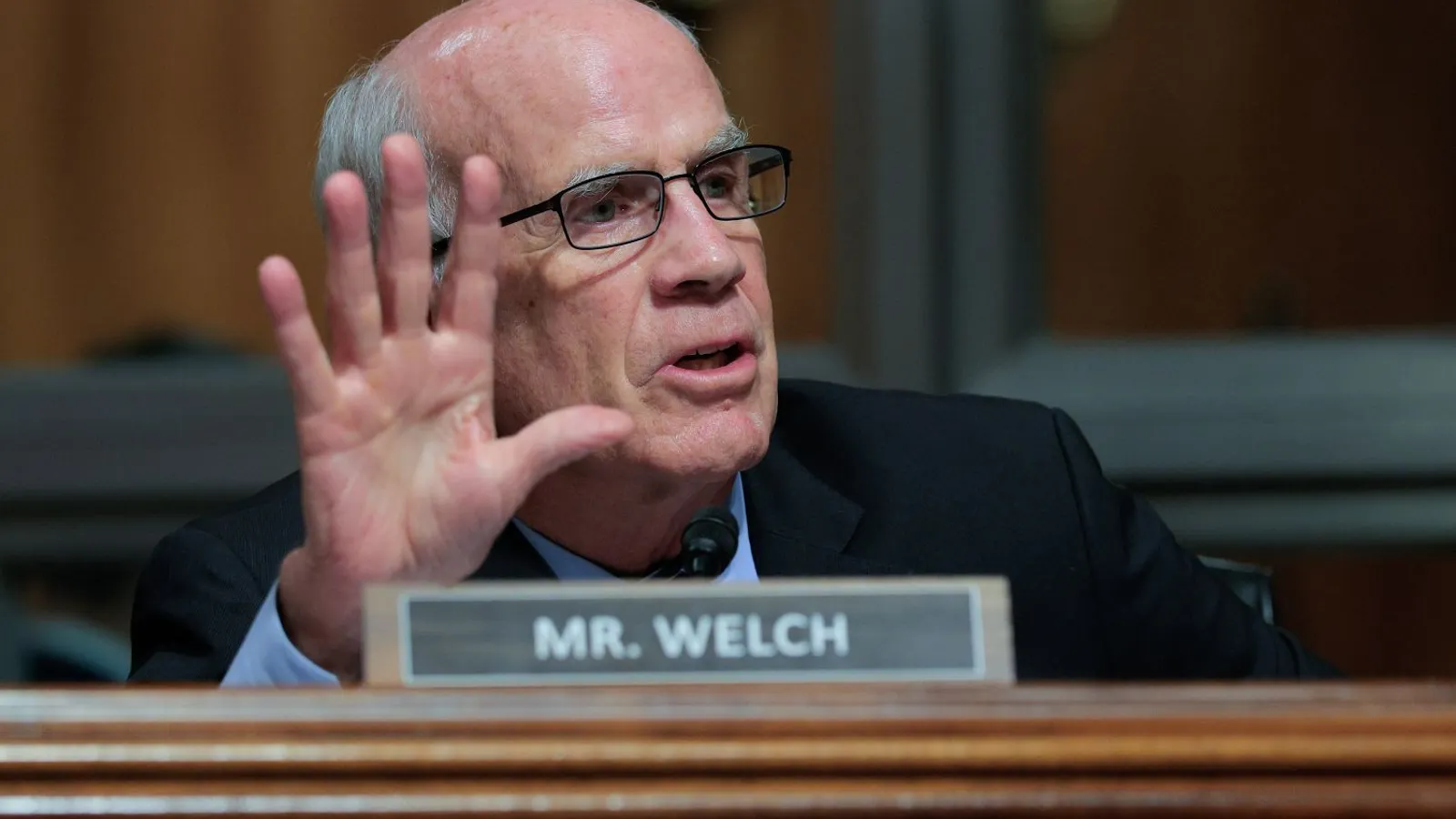
- Sen. Peter Welch (D-Vt.), ranking member on the Senate Agriculture Subcommittee on Rural Development, Energy, and Credit, introduced the STRONG GRID Act in the Senate on Wednesday, allocating $200 million for a DOE pilot and $500 million in state grants for microgrid adoption.
- The STRONG GRID Act would make microgrids and distributed energy resources eligible for state energy program grants and establish state-run grid resilience programs to support their deployment.
- The National Association of State Energy Officials, GridWise Alliance, and the National Electrical Manufacturers Association (NEMA) endorsed the bill, with NEMA's Peter Ferrell saying it could help advance the national conversation around grid modernization because microgrids remain unfamiliar to many policymakers and states.
- The $200 million DOE pilot would award competitive grants within one year to projects demonstrating capabilities including ancillary grid services, aggregating distributed energy resources into virtual power plants, load transfers to relieve transmission congestion, and voltage instability management.
- The $500 million state grant pool would fund microgrid needs assessments, design and engineering, construction of generation and storage assets, and advanced cybersecurity systems.
- NEMA forecast in May that annual U.S. electricity consumption will grow more than 55% by 2050, and Ferrell argued microgrids can free up capacity to serve loads ranging from EV chargers to data centers and manufacturers.
- Welch said the U.S. electric grid "is under more pressure now than at any point in our history," with extreme weather events worsening the strain, while GridWise Alliance CEO Karen Wayland said the bill offers a faster deployment path in areas where extending or hardening traditional infrastructure can take years.
Why it matters: The STRONG GRID Act directs $700 million toward microgrids as utilities revise demand forecasts upward at unprecedented pace and NEMA projects 55%+ electricity consumption growth by 2050, offering state energy offices and manufacturers a faster deployment path in areas where hardening traditional infrastructure takes years.
Ask SkimNews