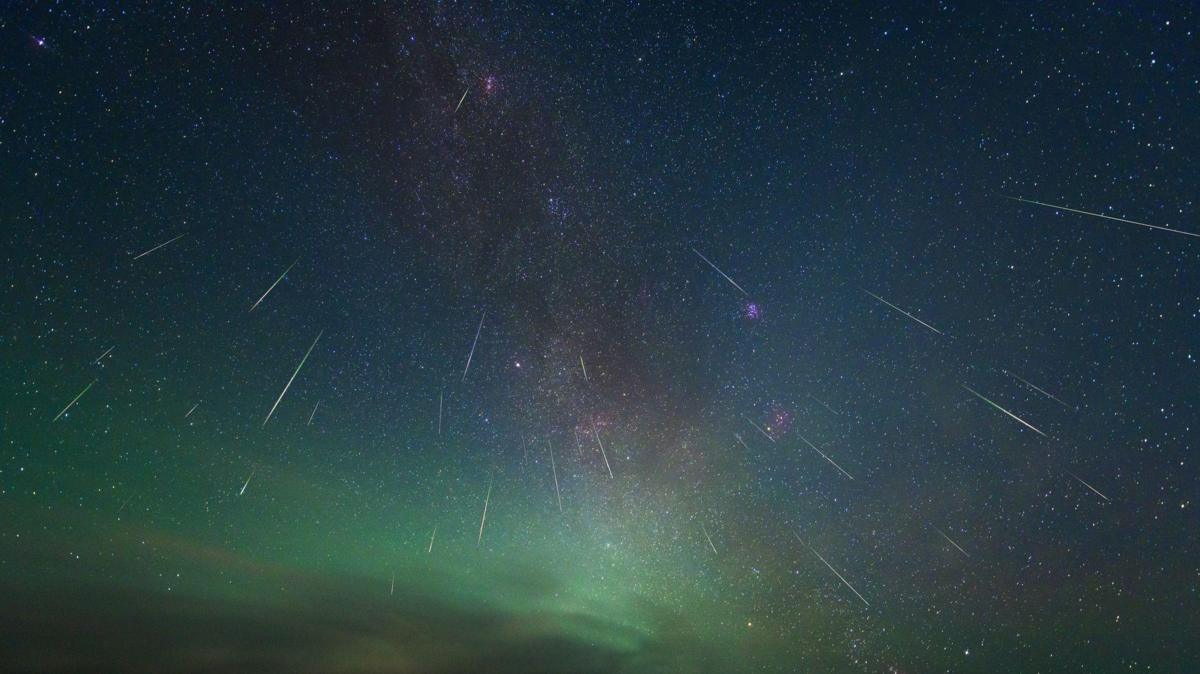
Perseid Meteor Shower Peaks Wednesday Under New Moon
Get the Health newsletter
Daily health & science — research, biotech, public health, the studies worth knowing. Free.
- The Perseid meteor shower peaks Wednesday night into Thursday morning, with astronomers citing a coinciding new moon phase as a major boost to visibility across the northern hemisphere
- NASA estimates 50 to 100 meteors per hour could be visible under ideal conditions, while the American Meteor Society projects 30 to 50 per hour from rural regions in the United States
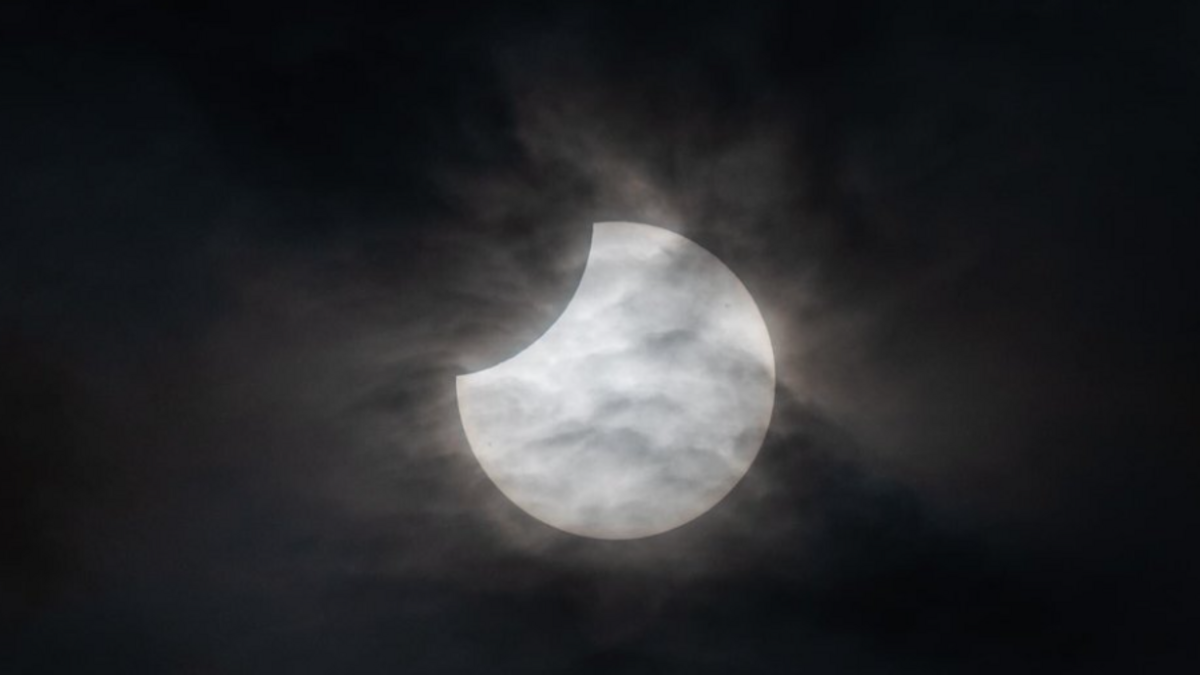
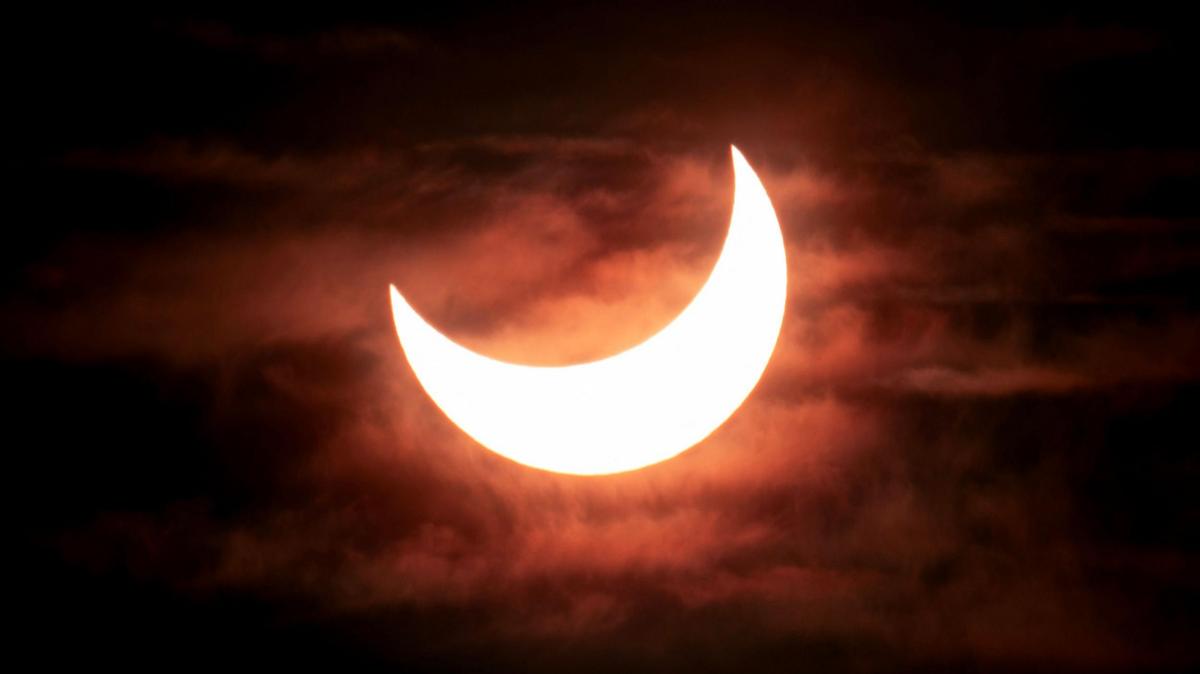
- The shower coincides with a total solar eclipse visible across Spain, Iceland, and Greenland and a six-planet parade, though the article notes the best meteor viewing will come after totality
- Comet 109P/Swift-Tuttle is the source of Perseid debris, orbiting the sun every 133 years and not scheduled to return until 2125, according to the article
- Observations of the Perseids date back more than 2,000 years, making it one of the longest-tracked annual meteor showers
- Best viewing falls between midnight and dawn when the constellation Perseus sits high in the northern sky, with astronomers advising a half-hour of dark adaptation and avoiding phone screens
- Aparna Venkatesan of the University of San Francisco called the new moon ideal because it avoids moonlight "flooding the sky," while Zach Vanderbosch of McDonald Observatory in Texas noted summer temperatures spare viewers a cold-night vigil
Why it matters: The collision of a new moon with the Perseid peak gives skywatchers an unusually dark backdrop for the most prolific annual meteor shower, one documented for over 2,000 years — meaning rural observers across the northern hemisphere could see dozens of bright fireballs per hour from the Swift-Tuttle debris trail without competing moonlight, and the rare overlap with a solar eclipse adds a multi-event viewing window for those in the eclipse path.
Ask SkimNews