Myanmar's Min Aung Hlaing Visits Thailand in Legitimacy Quest — SkimNews
Get the Geopolitics newsletter
Daily geopolitics — wars, elections, sanctions, the diplomatic moves that move markets. Free.
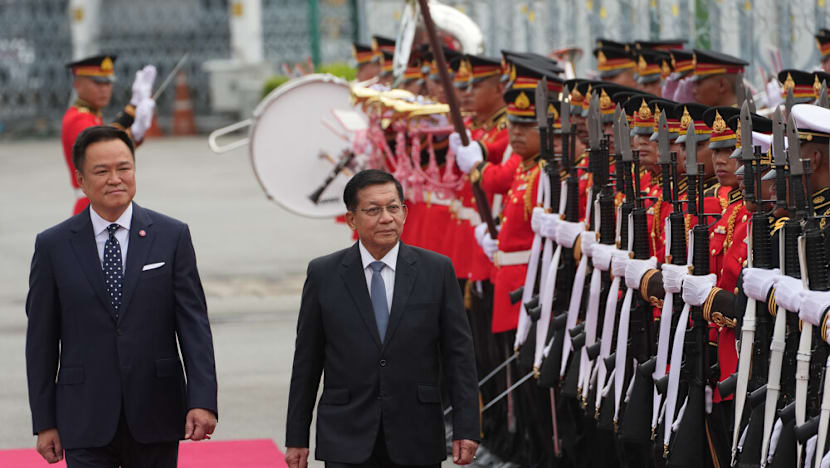
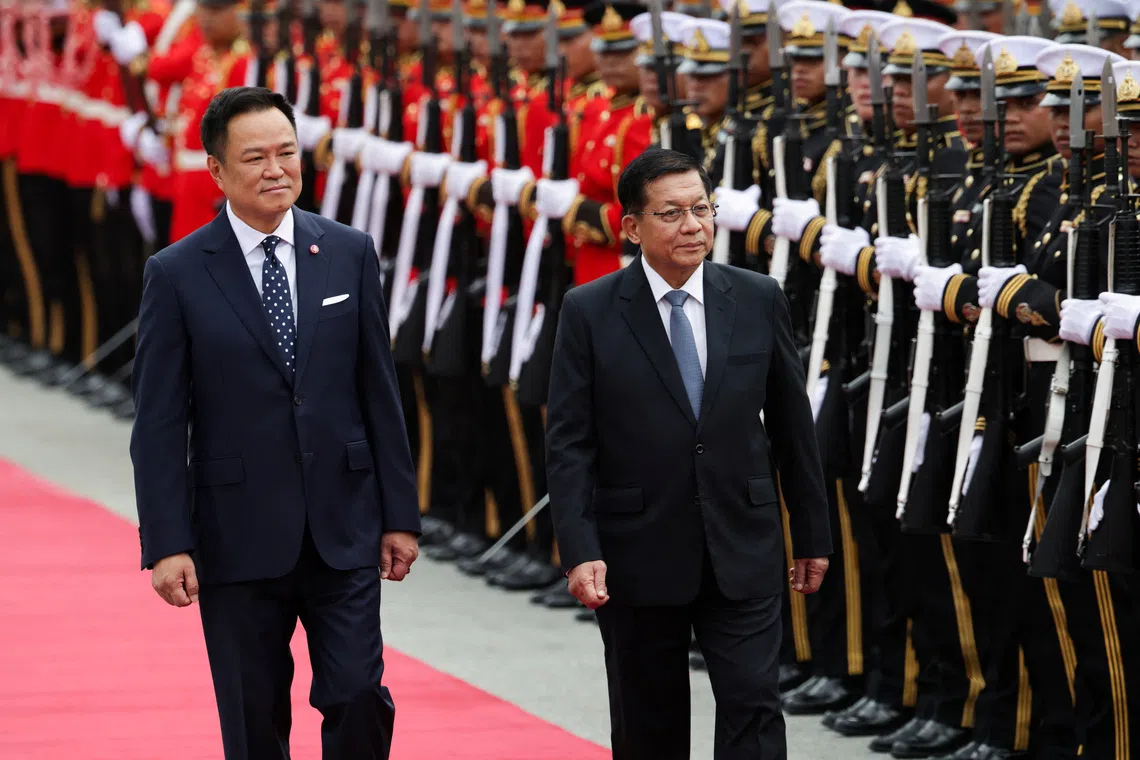
- Min Aung Hlaing arrived in Bangkok on Thursday for a two-day official visit — his most significant diplomatic engagement since being sworn in as president in April following December-January elections that critics dismissed as a sham designed to cement military rule.
- Min Aung Hlaing met Thai PM Anutin Charnvirakul at Government House and signed MOUs covering Myanmar migrant workers, shared river water quality management, and space technology for Earth observation; the two leaders were scheduled to address a Thailand-Myanmar Business Forum.
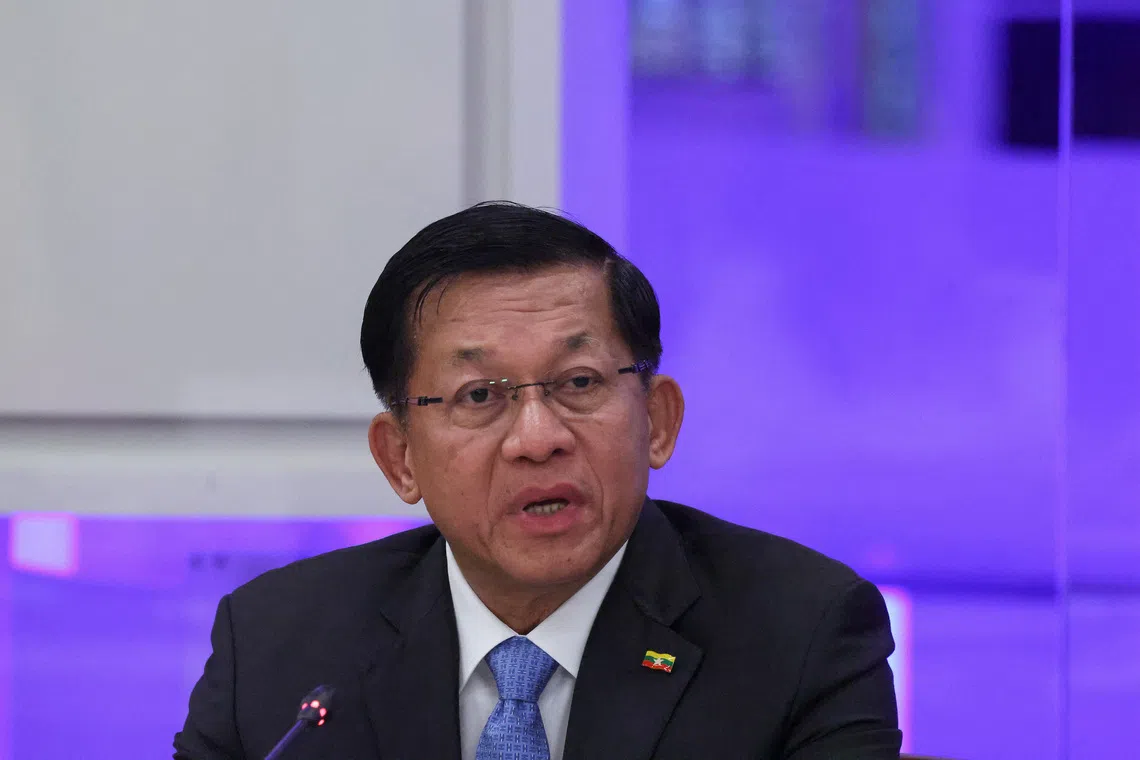
- Min Aung Hlaing told Anutin that Myanmar 'has now reestablished itself on the path to democracy' and is working on 'national stability, peace, and national reconciliation,' even as the Assistance Association for Political Prisoners tallies over 8,200 civilians killed and 31,645 arrested by Myanmar's security forces as of Wednesday.
- Justice For Myanmar condemned the visit as lending 'false legitimacy' to the ruling generals, while Fortify Rights' Chit Seng argued that swapping a military uniform for a 'presidential robe' after fake elections does not change the regime's nature, and colleague Thanida Piyachut urged Thailand and ASEAN to stop hiding behind non-interference policies.
- Anutin Charnvirakul has positioned Bangkok as the strongest advocate within ASEAN for renewed engagement with Naypyitaw, declaring during a Tuesday visit to Indonesia that 'a peaceful and stable Myanmar is essential to ASEAN unity' and endorsing a 'calibrated re-engagement approach' that responds to 'realities on the ground.'
- Aung San Suu Kyi, 81, received a visit from an International Committee of the Red Cross representative this week — her first known contact with an independent outside humanitarian organization since detention; she was moved from prison to house arrest on April 30 with her sentence reduced from 33 years to 18.
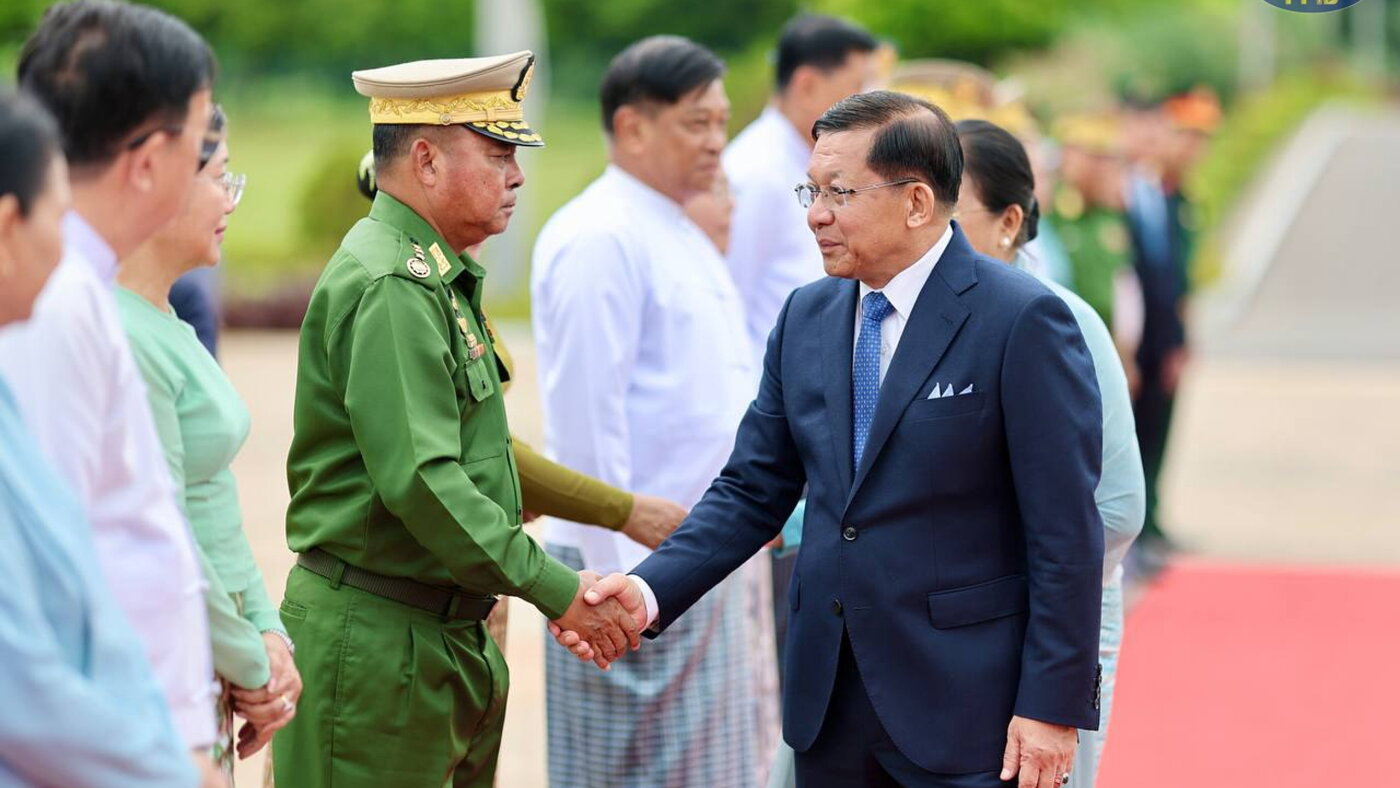
- Western governments have shunned and sanctioned Min Aung Hlaing since the February 2021 ouster of Suu Kyi's government; he had been barred from top-level ASEAN meetings for failing to comply with a 2021 peace plan, making this Thailand visit and recent trips to China, India and Laos a clear re-engagement push.
Why it matters: Bangkok's 'calibrated re-engagement' gives Min Aung Hlaing diplomatic cover as he seeks ASEAN rehabilitation despite a civil war that has killed over 8,200 civilians and jailed more than 31,600 — a gap rights groups say the engagement approach deliberately papers over. The simultaneous ICRC access granted to Suu Kyi, the first independent outside contact since her detention, functions as a parallel concession designed to blunt criticism while the underlying repression continues.
Ask SkimNews