The Next Russia Threat — SkimNews

Get the Geopolitics newsletter
Daily geopolitics — wars, elections, sanctions, the diplomatic moves that move markets. Free.
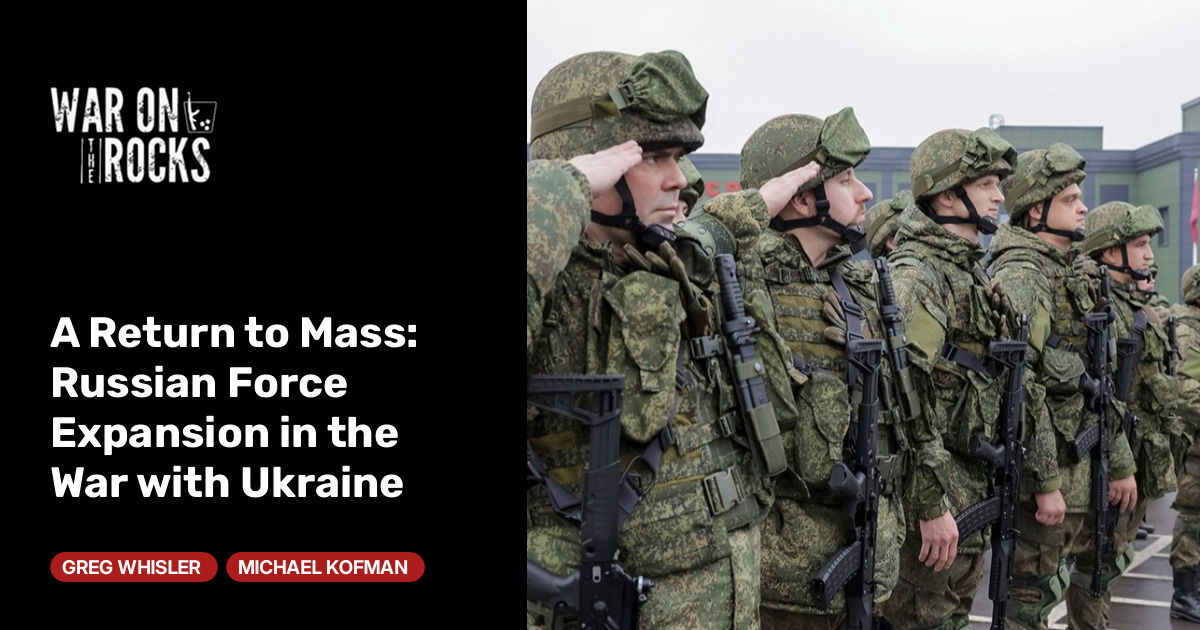
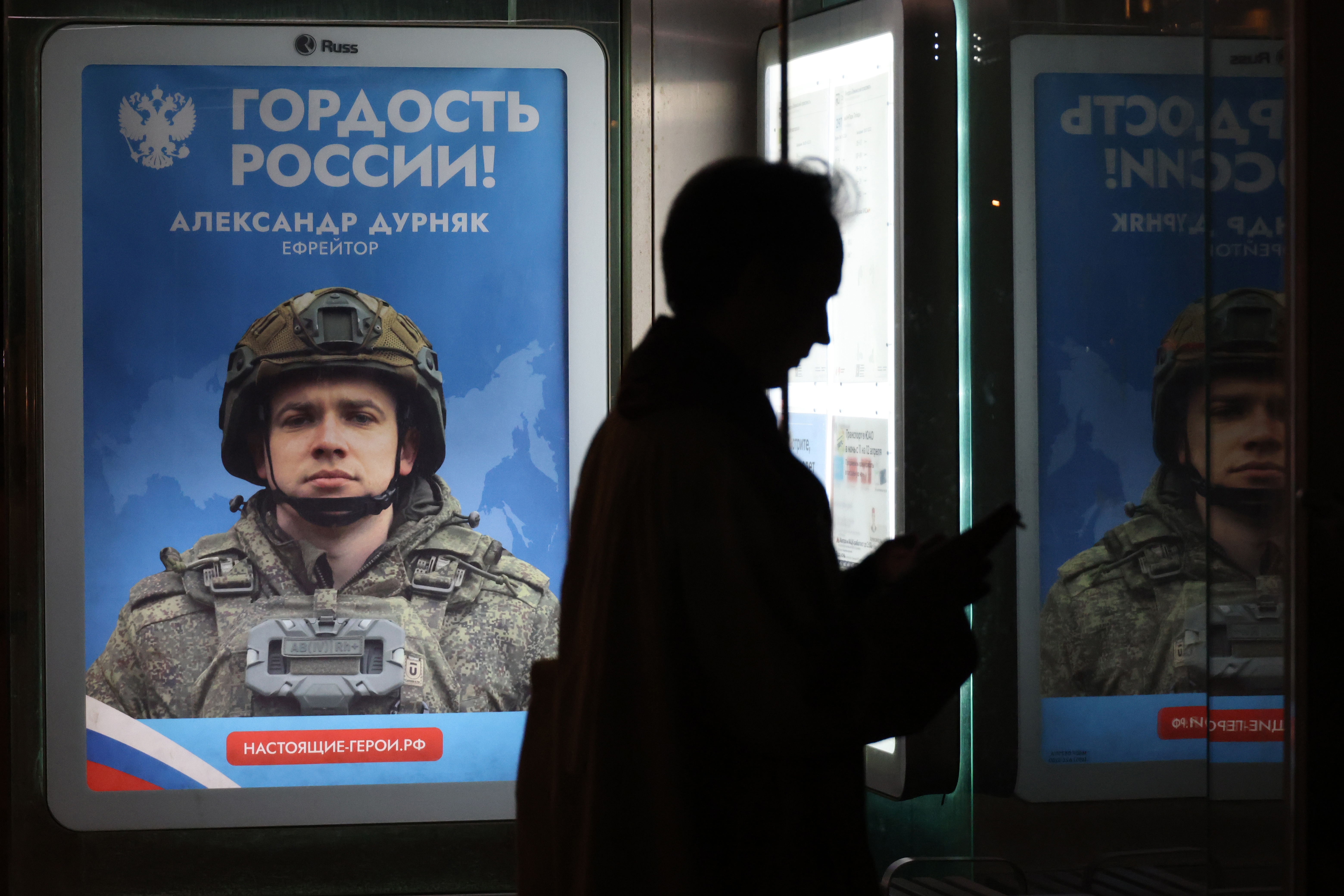
- Russia's active military has grown from roughly 850,000 prewar personnel to 1.3 million despite at least 400,000 killed in action (British intelligence released in late May suggests nearly 500,000) and 600,000 to 800,000 seriously wounded.
- Russia will likely take five to seven years to reconstitute enough to pose a major threat, with limited capabilities available to threaten NATO members or Ukraine shortly after the current war ends — faster than analysts expected back in 2022.
- Valery Gerasimov, Russia's chief of the general staff, concluded the military was not "Soviet enough" and is driving an expansion that reverses prior joint-operations reforms, while also adding drone, reconnaissance, assault, and electronic warfare units to most formations.
- Russia has lost more than 14,000 armored combat vehicles and 2,100 artillery pieces as of early May 2026, but has pulled thousands of additional vehicles and artillery from stocks, refurbished or produced more, and received over 300 artillery pieces from North Korea.
- Russia has created a new Unmanned Systems Forces branch and is redesigning for a larger force with more infantry, motorized rifle and tank formations, and drone units — and is unlikely to shrink back to its prewar size after the war.
- NATO forces remain superior overall but have yet to adapt to Russian changes like drone formations and the return of large-scale offensive maneuver warfare, which could lead to higher losses in the opening days of a future conflict with Moscow.
Why it matters: The five-to-seven-year reconstitution window gives the United States and European allies a narrow planning horizon to retool their forces and deterrence posture before Russia can threaten NATO territory again, with the analysis warning that poor Russian performance in Ukraine's entrenched, positional fighting should not breed complacency about a future, more maneuver-oriented conflict.
Ask SkimNews