KLF5 Gene Fuels Pancreatic Cancer Spread Epigenetically — SkimNews

Get the Health newsletter
Daily health & science — research, biotech, public health, the studies worth knowing. Free.
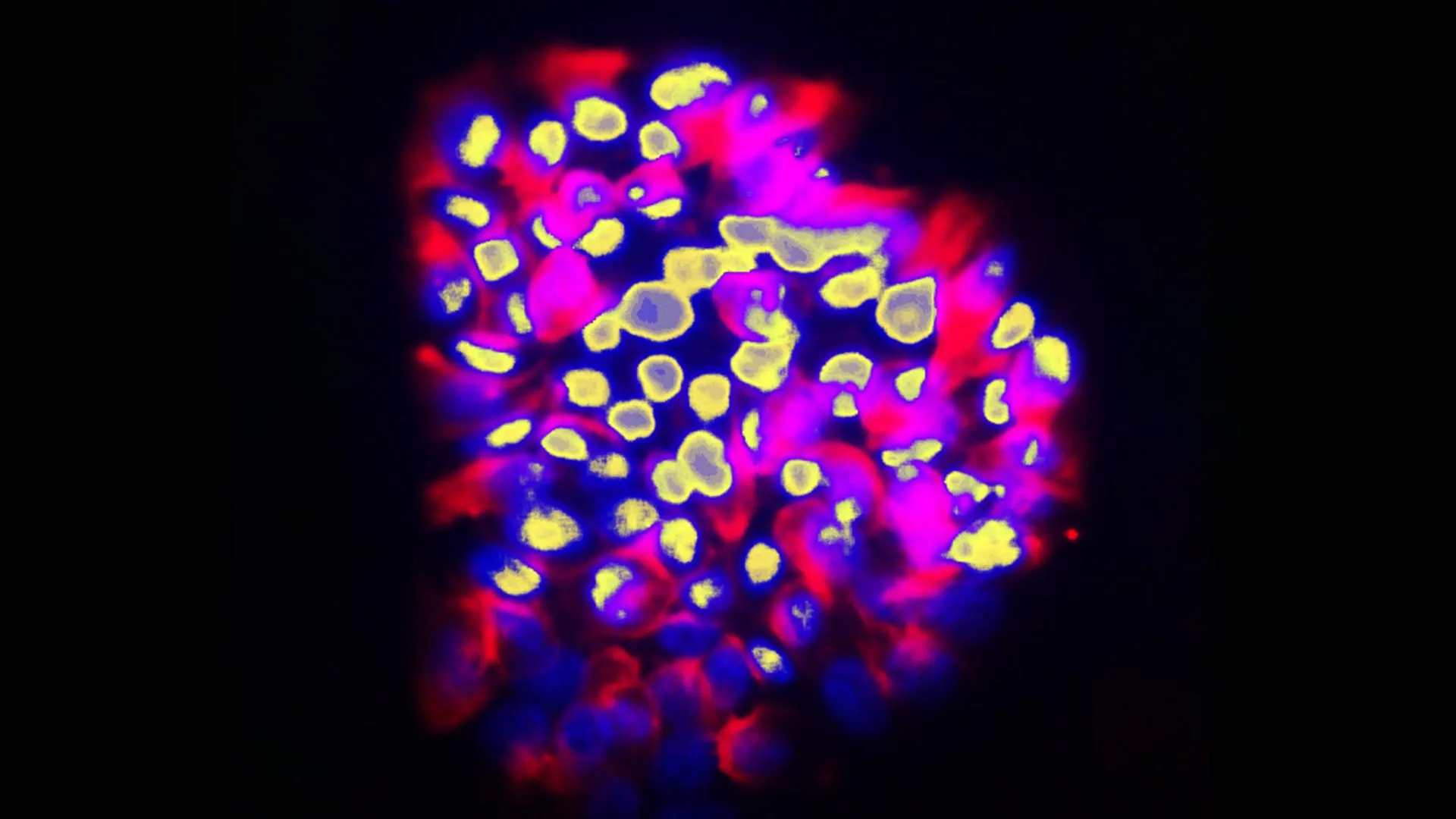
- KLF5 was identified via a CRISPR gene-silencing screen as the gene with the strongest effect on promoting growth and spread of metastatic pancreatic cancer cells, reshaping how DNA is packed and chemically modified to control gene activity.
- In patient samples, 10 of 13 individuals with pancreatic cancer showed higher KLF5 activity in at least one metastatic tumor compared with their original tumor.
- KLF5 regulates downstream epigenetic modifier genes NCAPD2 and MTHFD1, but only in metastatic cancer cells—not in lab-grown primary tumor cells—pointing to metastasis-specific pathways distinct from the original tumor.
- Even small increases in KLF5 activity significantly boosted cancer cell growth, meaning treatments may not need to fully silence the gene to have a therapeutic effect, according to Andrew Feinberg, the study's senior author.
- First author Kenna Sherman said the findings add to evidence that cancer metastases are driven by additional epigenetic changes rather than new mutations, with KLF5 acting as a 'master gene' controlling a pathway of invasion and drug-resistance genes.
- Several experimental drugs designed to target KLF5 are already under development, per Feinberg.
- The study, published in Molecular Cancer and funded in part by the NIH, builds on the team's 2017 finding that the most common form of pancreatic cancer shows widespread epigenetic changes in primary tumors.
Why it matters: KLF5 joins a short list of 'master genes' identified as drivers of pancreatic cancer metastasis, but unlike most oncogenes it acts through epigenetic reprogramming rather than DNA mutations—a distinction Feinberg calls 'underappreciated.' With KLF5-targeting drugs already in development and partial gene suppression potentially effective, researchers now have a concrete translational path.
Ask SkimNews