Youth Gut Bacteria Stop Liver Cancer in Mice — SkimNews
SkimNews Take
The gut microbiome's direct influence on systemic protein expression suggests a broader, unappreciated role in regulating age-related cellular processes beyond the digestive tract.
Get the Health newsletter
Daily health & science — research, biotech, public health, the studies worth knowing. Free.
- Researchers performed fecal microbiota transplantation (FMT) of stored youthful gut microbiota into the same aging mice.
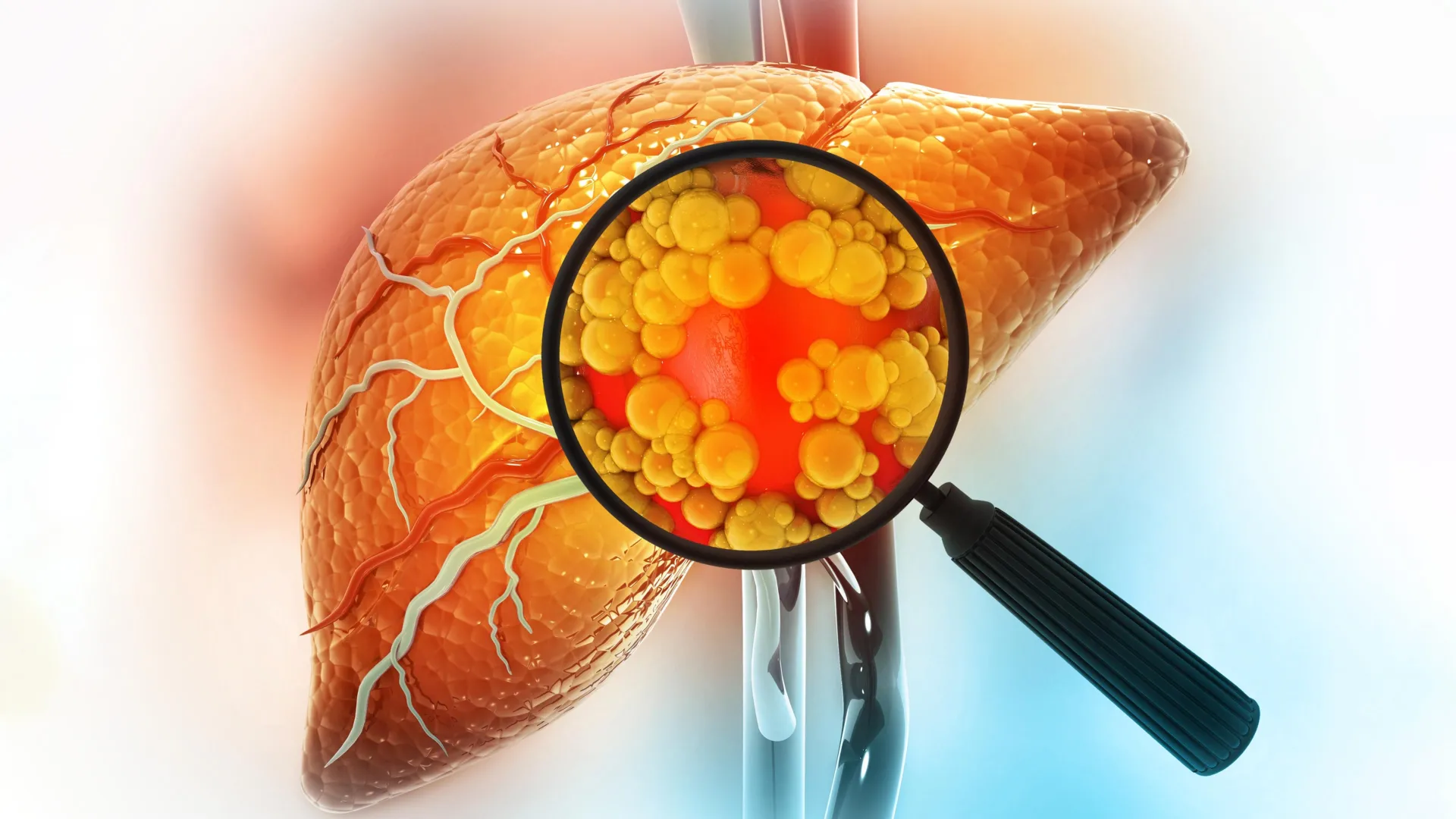
- Treated older mice showed reduced liver inflammation, lower DNA damage, and zero incidence of liver cancer, whereas 2 of 8 untreated aging mice developed cancer.
- MDM2 protein levels in the livers of treated mice were suppressed to resemble those of young mice, while untreated older mice had elevated MDM2.
- Qingjie Li said the aging microbiome actively contributes to liver dysfunction and cancer risk rather than merely reflecting aging.
Why it matters: Aging individuals could gain a new preventive strategy against liver disease, while the biotech sector may see increased demand for microbiome‑based therapies, potentially shifting research funding toward gut‑liver interventions.
Ask SkimNews