UAE: Hormuz access must be part of any US-Iran deal — SkimNews
Get the Geopolitics newsletter
Daily geopolitics — wars, elections, sanctions, the diplomatic moves that move markets. Free.
- Anwar Gargash, the UAE president's diplomatic adviser, said freedom of navigation through the Strait of Hormuz must be 'part and parcel' of any US-Iran conflict settlement, declaring the waterway 'cannot be held hostage by any country.'
- Gargash warned a deal that fails to curb Iran's nuclear programme, missiles, and drones would create 'a more dangerous, more volatile Middle East,' and said the UAE was ready to join any US-led effort to secure shipping through the strait.
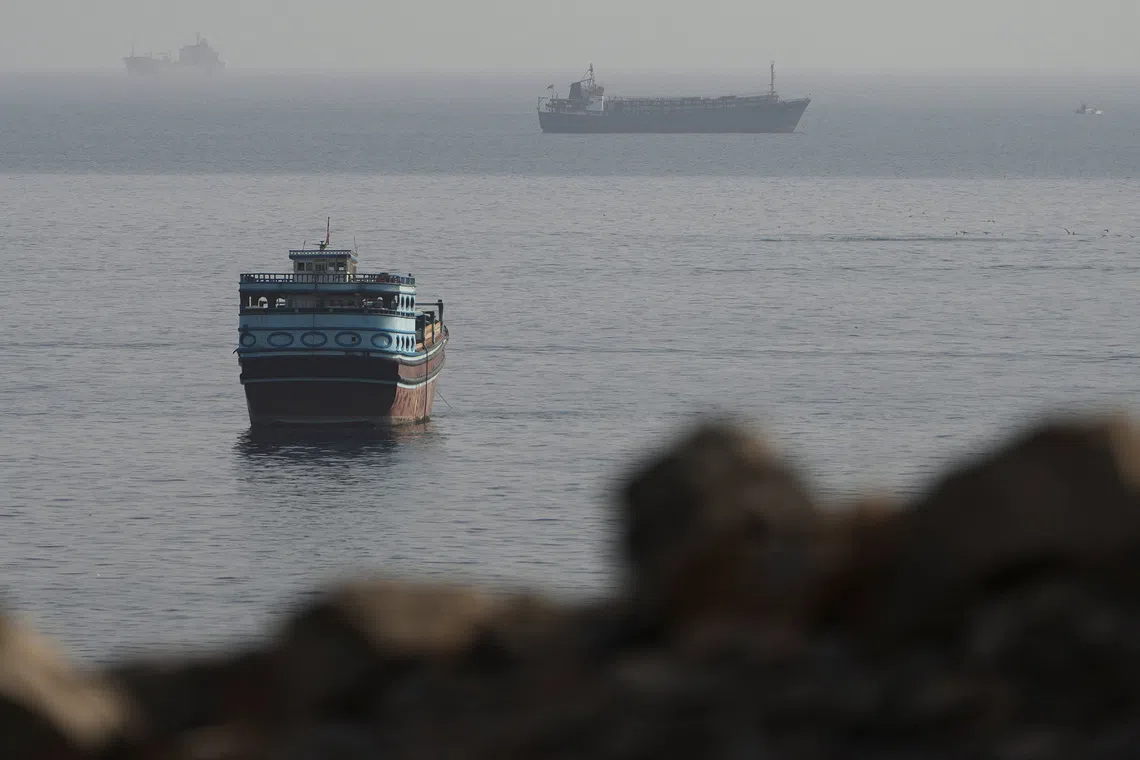
- About a fifth of global oil and liquefied gas supplies normally transit the Strait of Hormuz daily, but Iran's actions have severely curtailed traffic, triggering a global energy crisis.
- The UAE has absorbed heavier Iranian strikes than any other Gulf state, and Gargash said the long-dreaded worst-case scenario — a full Iranian attack — is now unfolding, even as he insisted the country's economic fundamentals remain strong.
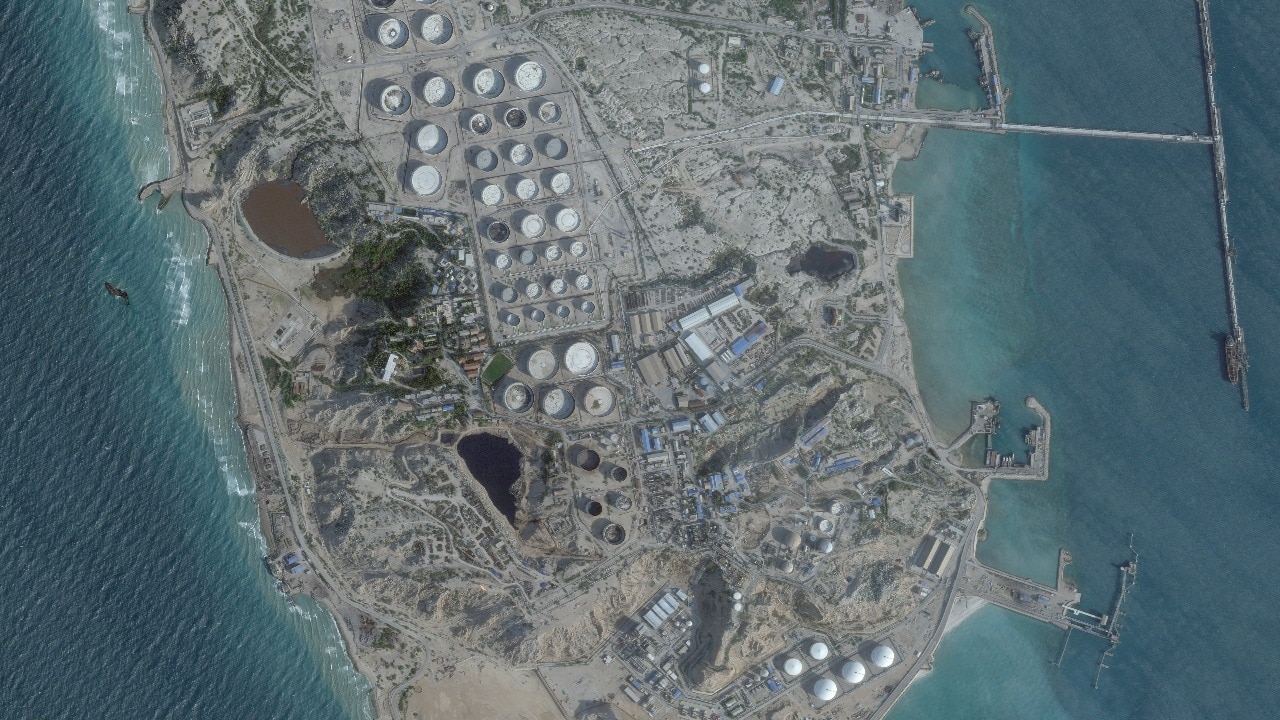
- Donald Trump threatened to rain 'hell' on Tehran if it did not make a deal and reopen the strait by his April 7 deadline, and in an April 5 Truth Social post threatened further strikes on Iranian energy and transport infrastructure.
- Gargash said Iran's strategy of targeting Gulf energy infrastructure to force Washington to halt its campaign was backfiring, predicting it would harden Gulf security alignment with the US and amplify Israel's regional footprint.
- The UAE singled out France as a steadfast partner and praised Washington for exceptional backing, particularly in strengthening the UAE's air-defence capabilities.
Why it matters: The UAE — bearing the brunt of Iranian retaliation — is now making Strait of Hormuz guarantees a non-negotiable condition for any US-Iran deal, and a fifth of global oil and LNG flows through that waterway. By framing Iran's attacks as having hardened rather than loosened the US-Gulf security pact, Gargash is signalling that Washington's post-war Middle East architecture will be Gulf-shaped, not Iran-shaped.
Ask SkimNews