Dark Eagle Could Transform Korean Peninsula Deterrence — SkimNews

Get the Geopolitics newsletter
Daily geopolitics — wars, elections, sanctions, the diplomatic moves that move markets. Free.
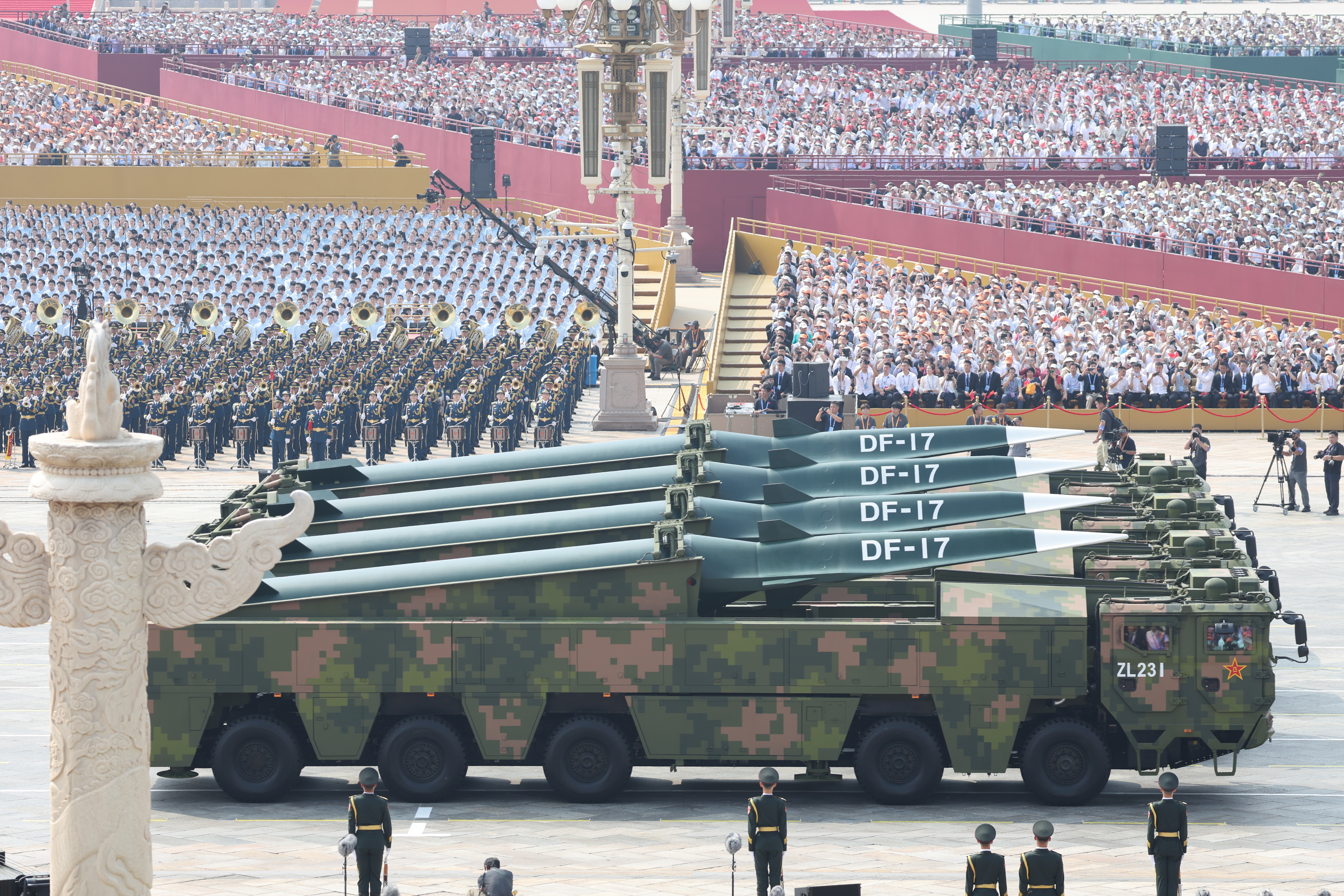
- The Dark Eagle hypersonic glide vehicle has a range of over 3,500 km, exceeds Mach 15, and skims the upper atmosphere at 30–50 km altitude to slip beneath ground-based early warning radars and legacy air defenses.
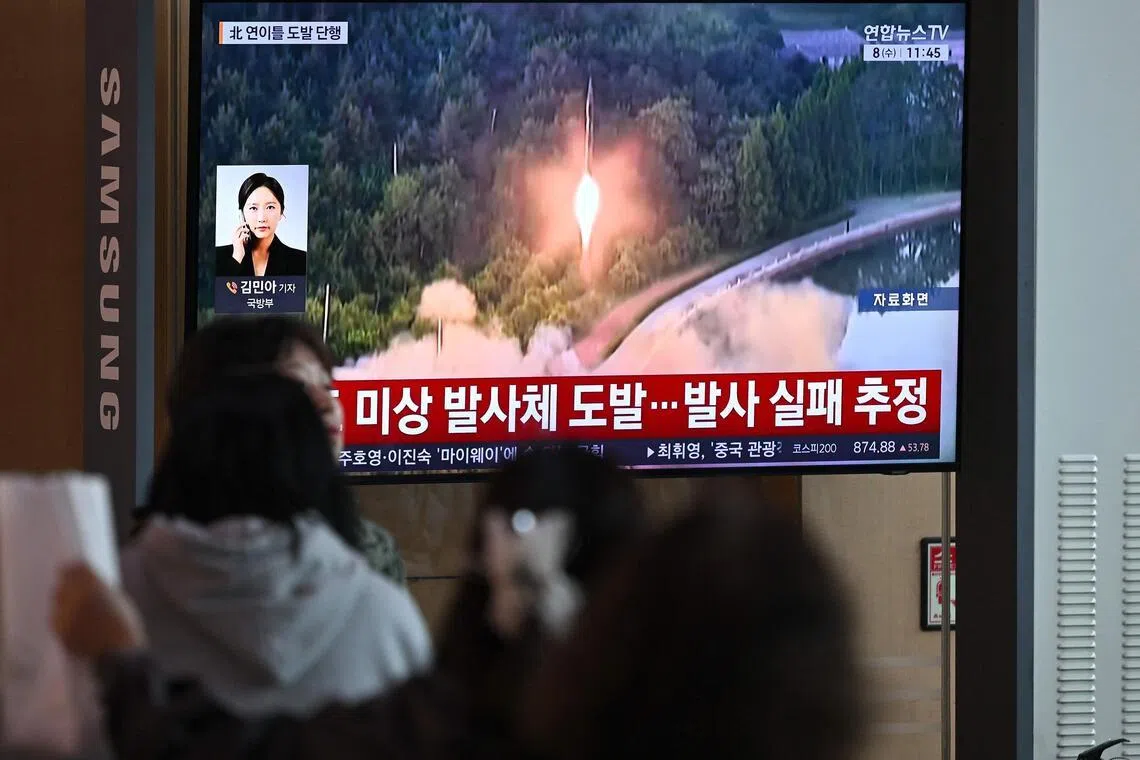
- North Korea has shifted to solid-fuel ballistic missiles and mobile launchers that can be rolled out of tunnels and fired within roughly 10–15 minutes, a speed older weapons like Tomahawk cruise missiles cannot match.
- The Dark Eagle, if stationed in South Korea, could strike command bunkers in Pyongyang or missile sites within minutes, and even launched from Guam or Japan it would reach its target in roughly 10 minutes, gutting the logic of a surprise first strike.
- Deploying the MDTF would counter recurring Washington political chatter about drawing down US Forces Korea (USFK) by committing a flagship next-generation asset to the peninsula as ironclad proof of US commitment.
- South Korea endured fierce economic and political backlash from China after hosting the THAAD system in 2016, and critics warn that an offensive hypersonic spear would amplify those tensions and turn Seoul into a pawn in US-China rivalry.
- The author recommends a limited, rotational deployment of the MDTF during upcoming combined military exercises and a joint US-South Korea working group, rather than a permanent basing that would trigger regional crises.
Why it matters: The Dark Eagle's roughly 10-minute time-to-target directly neutralizes North Korea's 10–15 minute mobile-launch window, a timing gap that current US options cannot close. A rotational deployment during exercises would let Seoul test integration while avoiding the permanence that triggered China's 2016 economic retaliation against South Korea, and would make any future drawdown of US Forces Korea politically untenable.
Ask SkimNews