Xpeng’s Aridge opens 120k sq m Guangzhou eVTOL plant — SkimNews
Get the Energy newsletter
Daily energy & climate — solar, EVs, oil, the policy fights and tech bets shaping the transition. Free.
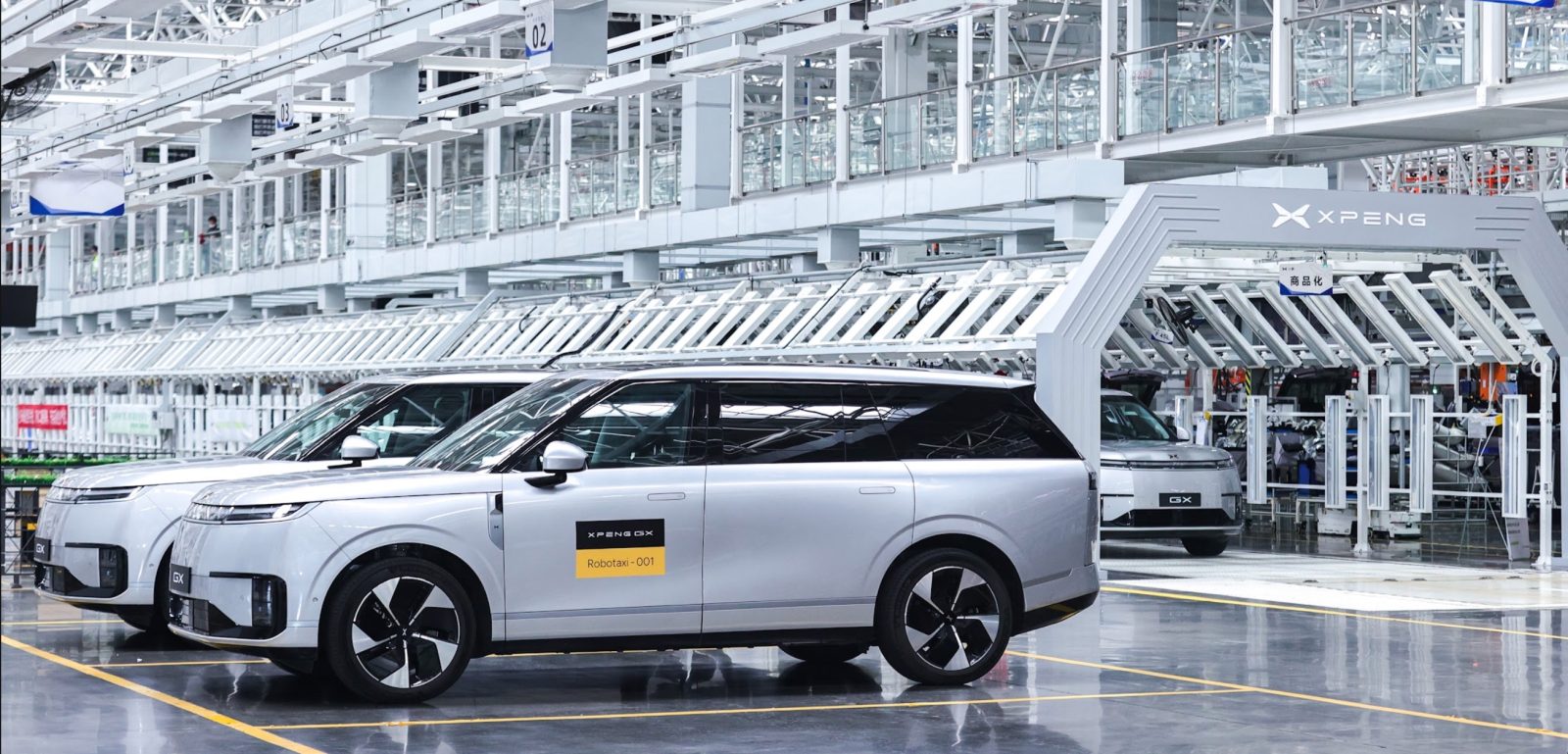
- Aridge invited media to tour its new Guangzhou plant, a 120,000‑square‑meter facility described as “the world’s first modern assembly line for flying cars,” with an initial capacity of 10,000 units per year at a 30‑minute takt time.
- Aridge showed roughly 20 aircraft inside the plant, including about a dozen carbon‑fiber bodies in assembly and eight units in final quality checks or completed.
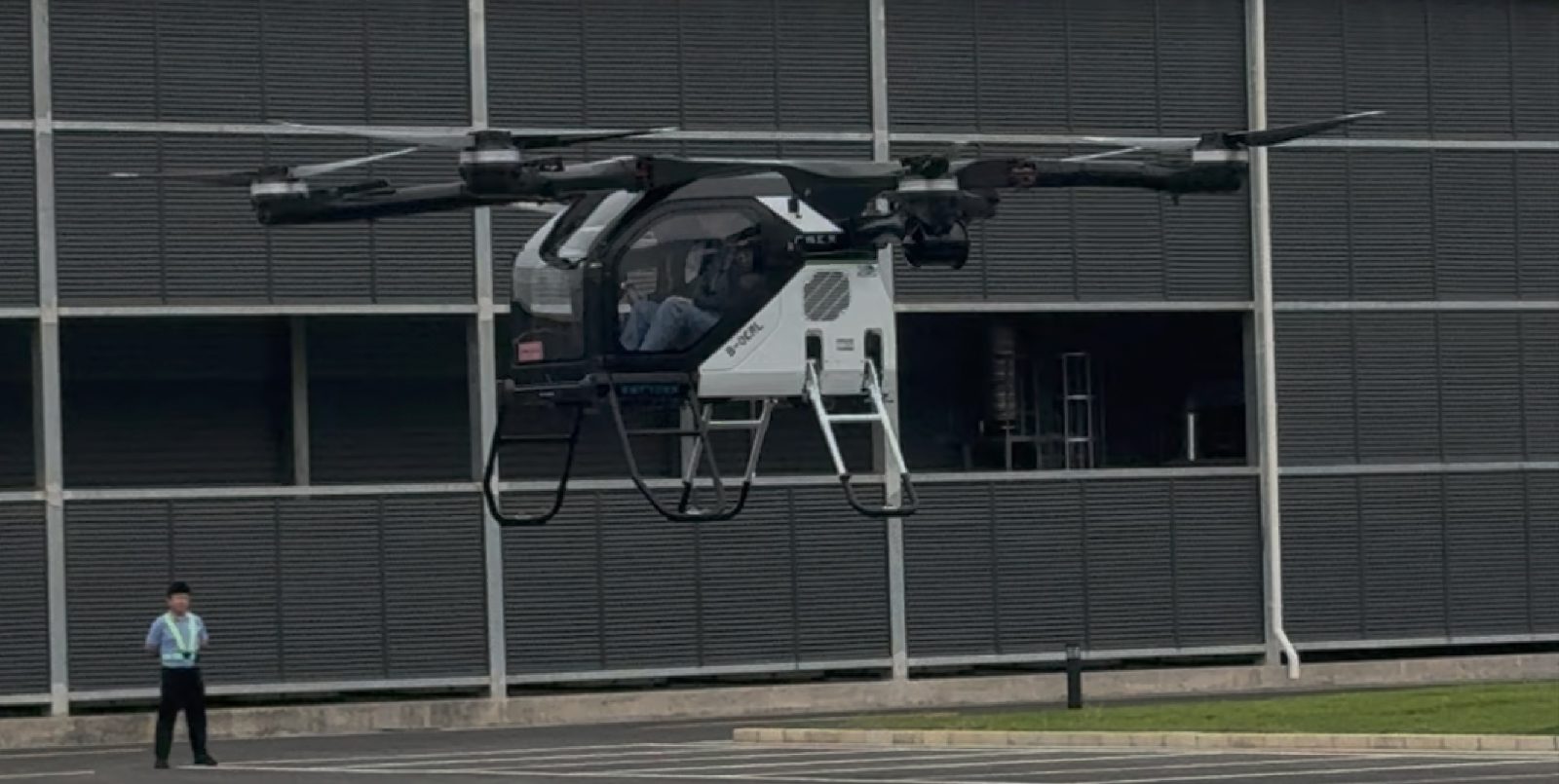
- Aridge’s “Land Aircraft Carrier” system pairs a six‑wheeled, three‑axle ground vehicle (800‑volt EREV platform, >1,000 km range) with a detachable two‑seat eVTOL aircraft (six rotors, carbon‑fiber fuselage, ~50 kWh battery, ~700 kg, 90 km/h top speed).
- Aridge’s ground vehicle can recharge the eVTOL from 30 % to 80 % in 18 minutes, allowing five to six flights before the vehicle itself needs a top‑up.
- Aridge’s package is priced at roughly 2 million yuan (≈ $300,000), has accumulated about 7,000 pre‑orders, and targets customer deliveries toward the end of 2026.
- Aridge raised $200 million in March and Xpeng has announced plans to take the subsidiary public, while battery supplier CALB began mass‑producing aviation‑grade batteries for the flying cars in March.
Why it matters: The factory’s 10,000‑unit annual capacity and 7,000 pre‑orders give Xpeng a concrete foothold in the nascent eVTOL market, while investors see a tangible product pipeline after a $200 million raise; regulators and competitors must now address the emerging supply chain and safety standards for electric flying cars.
Ask SkimNews