XPeng Rolls First Mass-Produced Robotaxi in China — SkimNews
Get the Geopolitics newsletter
Daily geopolitics — wars, elections, sanctions, the diplomatic moves that move markets. Free.
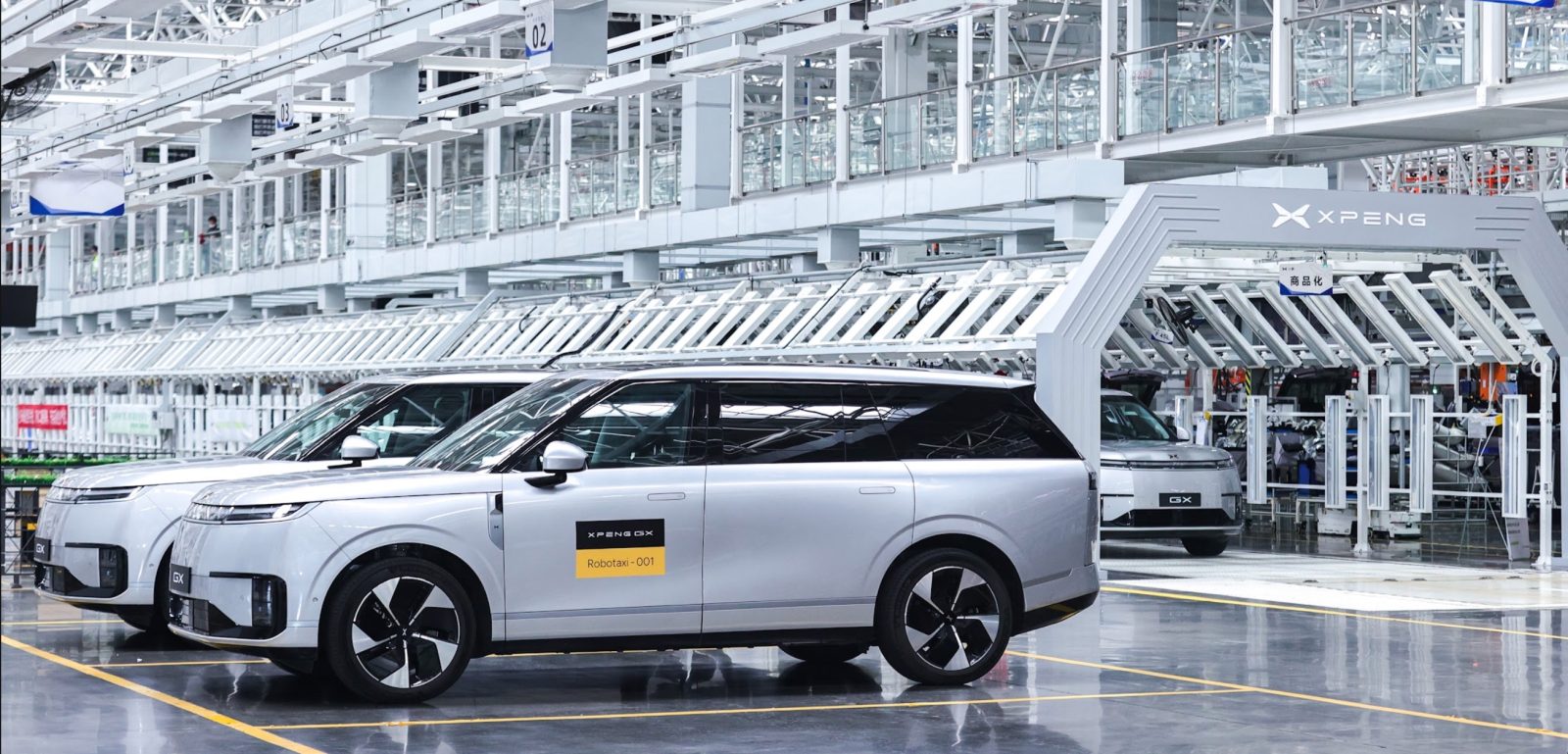
- XPeng rolled the first mass-produced robotaxi off its Guangzhou production line, becoming the first automaker in China to mass-produce a robotaxi built entirely through full-stack, in-house development.
- The GX platform robotaxi runs on four in-house Turing AI chips at 3,000 TOPS — roughly double the compute of Geely's Nvidia-based EVA Cab — and is engineered to L4 autonomous driving standards.
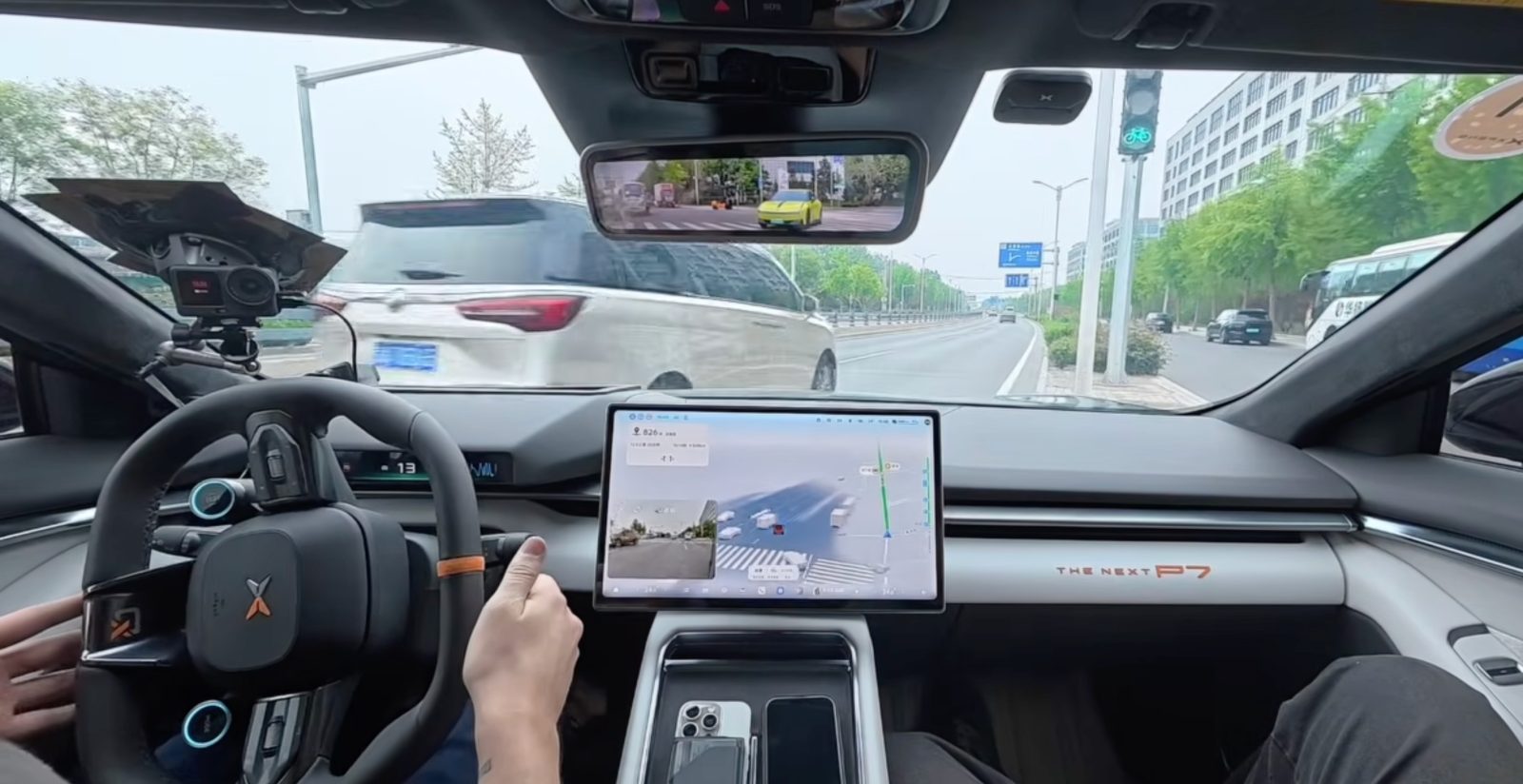
- VLA 2.0 is XPeng's pure-vision AI model (no LiDAR, no HD maps) that the robotaxi runs on, with claimed sub-80ms response latency and 12x faster inference than XPeng's previous generation.
- XPeng plans pilot robotaxi operations in the second half of 2026 and targets fully autonomous service — no on-site safety officer — by early 2027.
- The robotaxi features a passenger-first cabin with privacy glass, gravity seats, and rear entertainment screens; three variants (5-, 6-, and 7-seater) are planned.
- Amap, Alibaba's mapping platform, signed on as XPeng's first global ecosystem partner for its robotaxi SDK.
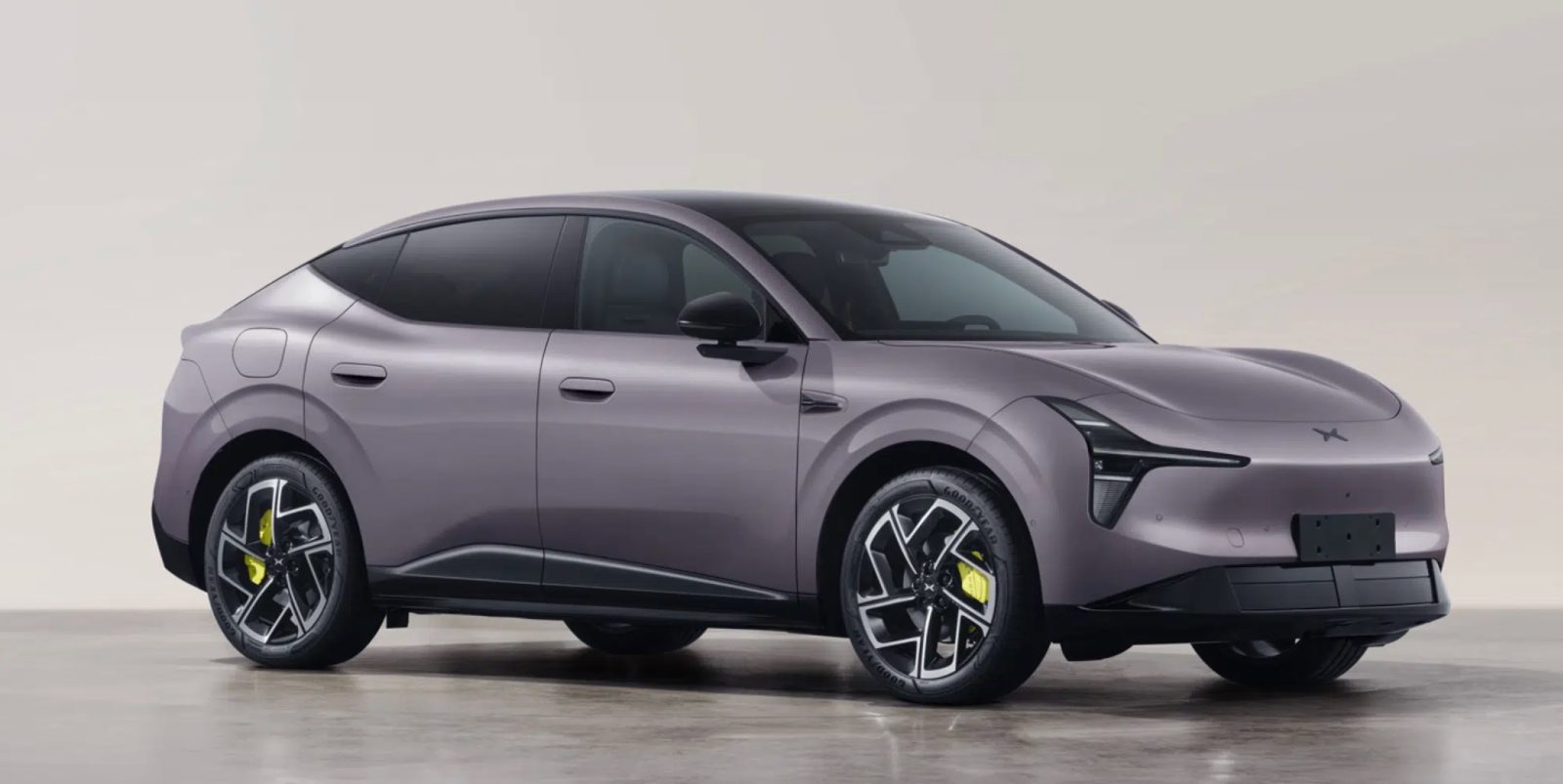
- Unlike Tesla's Cybercab and Geely's EVA Cab — both purpose-built without driver controls — XPeng shares its robotaxi platform with its $58,000 consumer SUV to cut costs and speed development.
Why it matters: XPeng's bet is that sharing a platform between its $58,000 consumer SUV and its robotaxi cuts costs and speeds development, with 3,000 TOPS of in-house compute giving roughly 2x the headroom of Geely's Nvidia-based stack. But XPeng hasn't started pilot operations, trailing Baidu's Apollo Go (250,000 weekly rides) and Tesla's Austin service.
Ask SkimNews