Diabetes Locks Immune Cells in Inflammatory Mode — SkimNews
Get the Health newsletter
Daily health & science — research, biotech, public health, the studies worth knowing. Free.
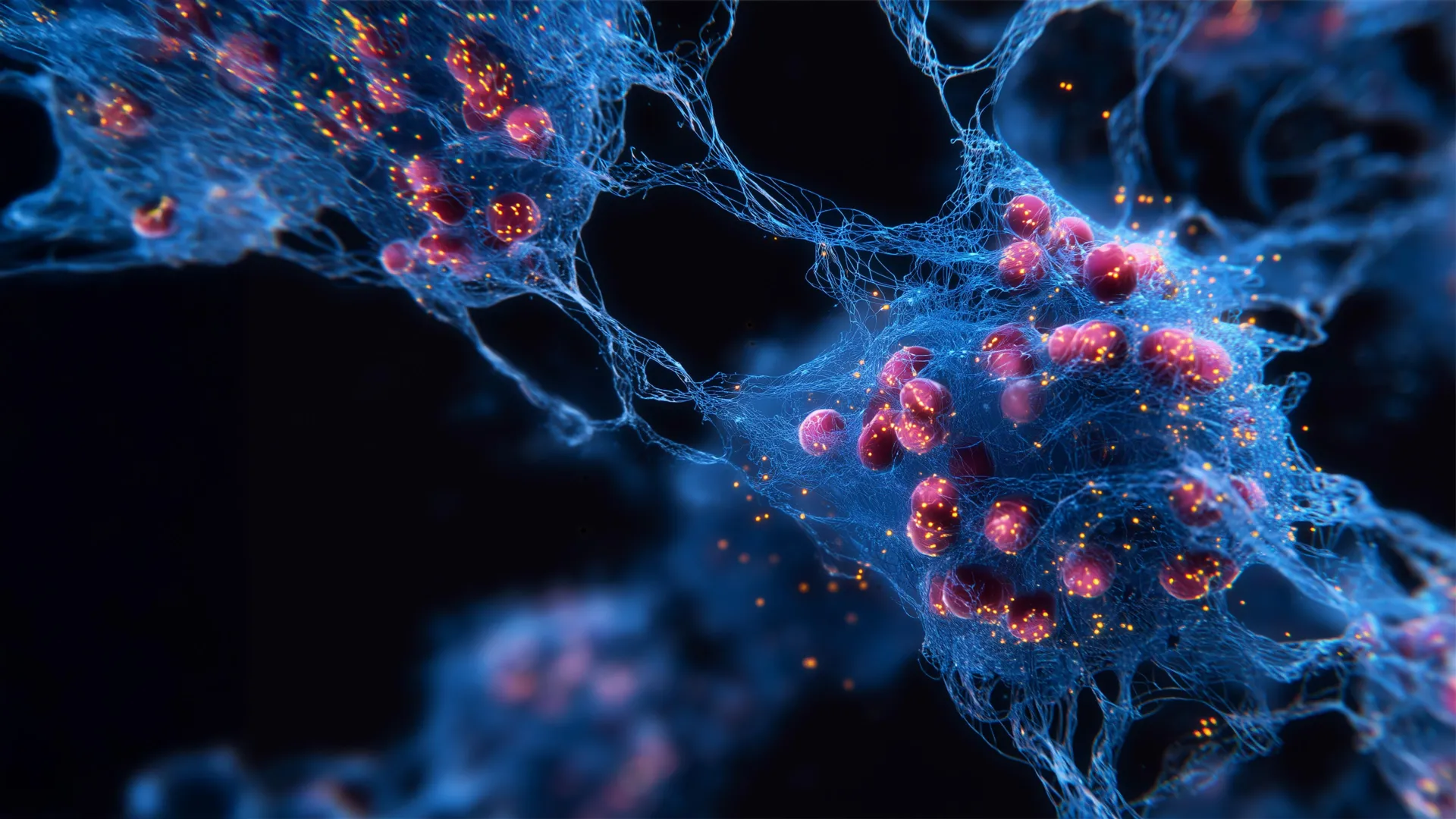
- Yi Ru and colleagues published a review in MedScience examining how monocytes, macrophages, dendritic cells, neutrophils, mast cells, B cells, T cells, and natural killer cells behave across each stage of diabetic wound healing
- Macrophages in diabetic wounds stay locked in pro-inflammatory M1 states rather than shifting toward pro-reparative M2 states, prolonging tissue damage and blocking wound progression
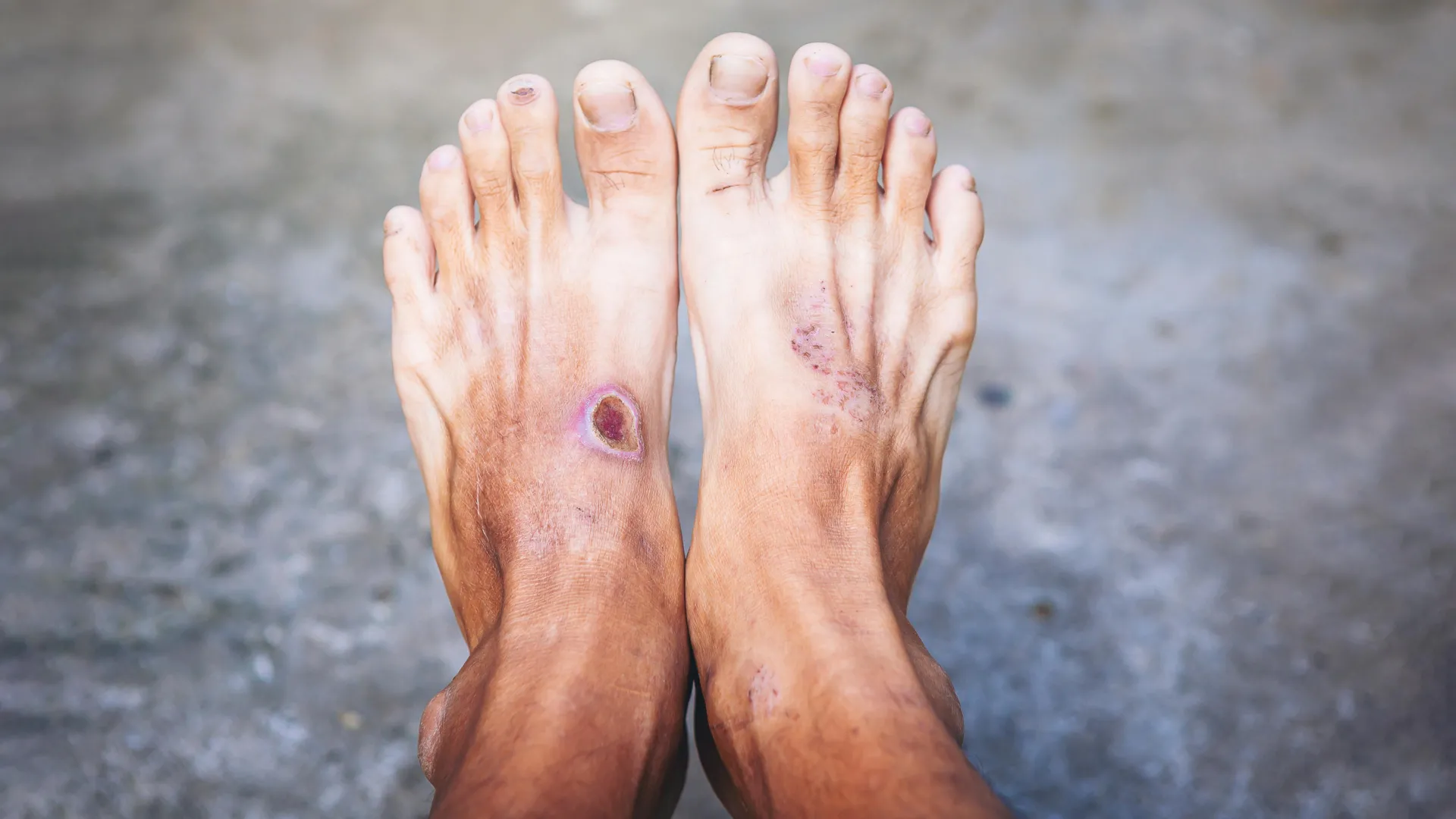
- Chronic diabetic ulcers affect more than 131 million people worldwide and carry roughly $755 billion in annual healthcare costs, with serious risks of amputation and death
- Neutrophil extracellular traps form poorly in diabetic wounds, releasing excess proteases and reactive oxygen species that sustain inflammation instead of clearing threats
- The SLC7A11 transporter regulates dendritic cell efferocytosis, and reduced activity in diabetes weakens debris clearance and keeps inflammatory signals firing
- Pipeline therapies include topical anti-cytokine biologics, drugs that push macrophages toward M2 states, mesenchymal stem cell–derived extracellular vesicles, Janus liposozyme redox regulators, and IL-15 superagonists that boost dendritic epidermal T cells
- Researchers stress timing matters because wounds pass through inflammatory, proliferative, and remodeling phases with distinct immune environments, suggesting future personalized, combination, and immune-profiled treatment plans
Why it matters: With 131 million people affected and $755 billion in annual costs, current diabetic wound care is blunt and often ends in amputation; this review reframes the problem as a multi-cell immune dysfunction and opens concrete drug targets—M2-promoting agents, IL-15 superagonists, topical biologics—delivered in stage-specific combinations to actually close stubborn ulcers.
Ask SkimNews