How the William Scoresby Helped Track El Niño — SkimNews
Get the Energy newsletter
Daily energy & climate — solar, EVs, oil, the policy fights and tech bets shaping the transition. Free.
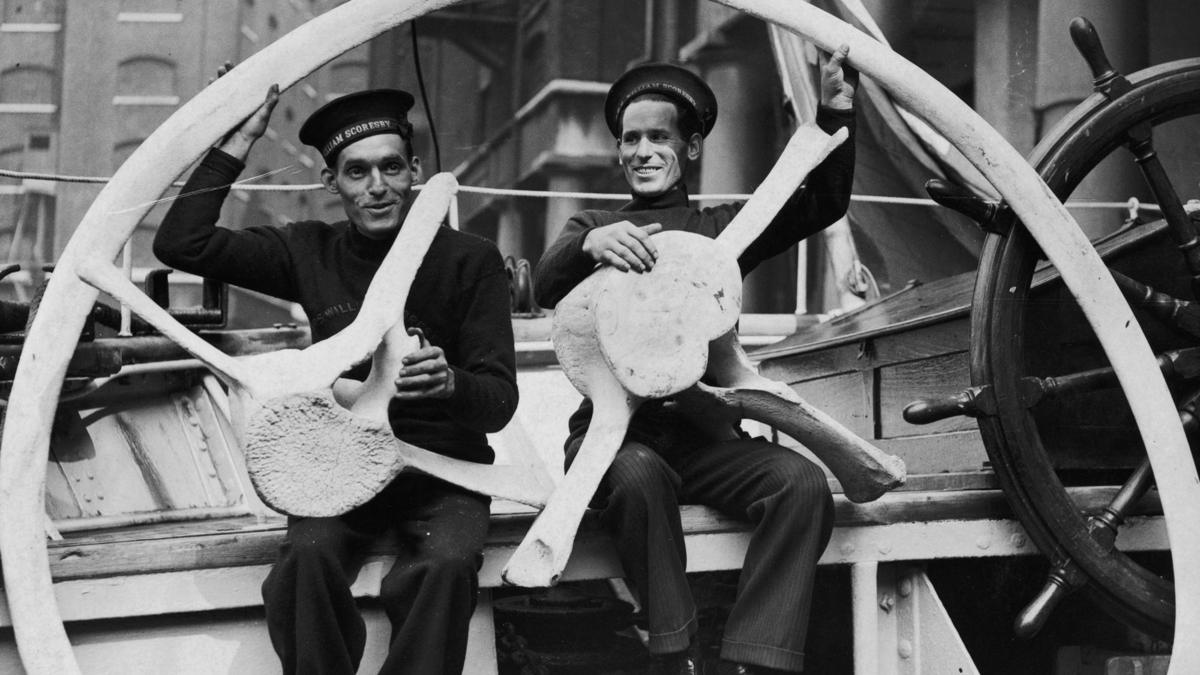
- Royal Research Ship William Scoresby set sail from Humber Dock in Hull a century ago this month, purpose-built in Beverley to conduct whale stock research around the Falkland Islands and explore seas near Antarctica
- The Scoresby sailed on its first voyage alongside the Discovery, the ship that had previously carried Robert Falcon Scott and Ernest Shackleton to Antarctica
- A 19-month 1930s voyage saw the Scoresby's crew examine the Humboldt and El Niño currents, and Dr. Rob Robinson of the University of Hull says the data returned helped build the foundations of modern marine biology and oceanography
- The UN has warned a new phase of El Niño could begin within weeks, with several national weather agencies forecasting it could rank among the strongest ever recorded
- During World War Two the Scoresby was pressed into service for Operation Tabarin, described by Robinson as a 'cloak and dagger' operation in the South Atlantic aimed at blocking Argentinian sovereignty claims over Falkland Islands Dependencies
- The ship was laid up in the 1950s and eventually scrapped, but Robinson says its work consolidated understanding of how ocean currents influence weather systems worldwide
Why it matters: As forecasters brace for what may be one of the strongest El Niño events on record, the article reminds readers that century-old data from a largely forgotten Hull-based research vessel still underpins modern understanding of the Pacific currents driving global weather extremes.
Ask SkimNews