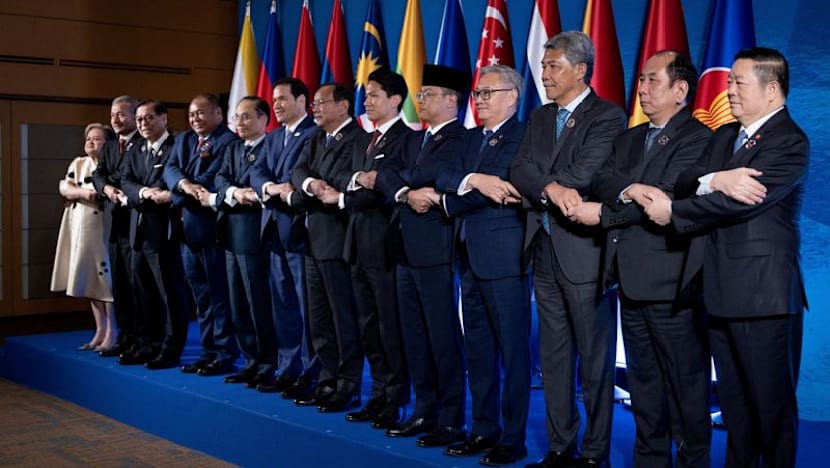
‘ASEAN’s gift to the world’: Hormuz crisis sharpens Philippines push for South China Sea code — SkimNews
Get the Geopolitics newsletter
Daily geopolitics — wars, elections, sanctions, the diplomatic moves that move markets. Free.
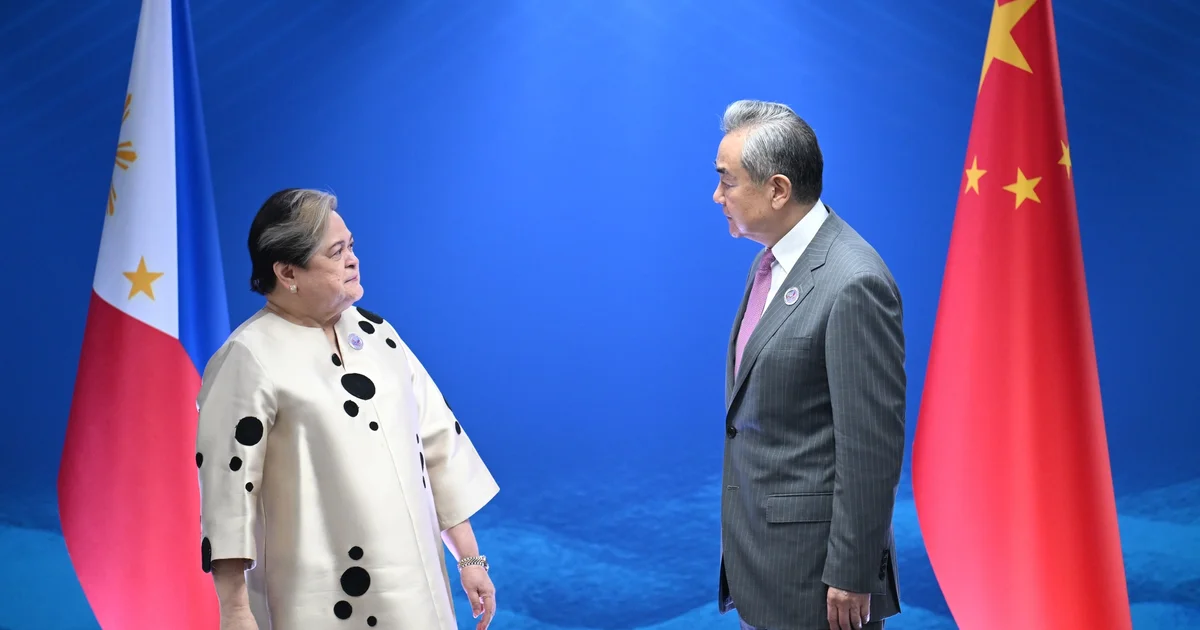
- Maria Theresa Lazaro said completing the South China Sea Code of Conduct would be 'ASEAN's gift to the world,' explicitly drawing parallels to the Strait of Hormuz crisis to stress the dangers of maritime choke points beyond ASEAN's control.
- The Philippines has set a target of concluding the COC in 2026 during its ASEAN chairmanship, with negotiators now meeting monthly — a pace Lazaro said 'has not been done in the past' after more than two decades of talks.
- Four core issues remain unresolved: whether the agreement will be legally binding, its geographic scope, its connection to the 2002 Declaration on the Conduct of Parties, and the terms of reference.
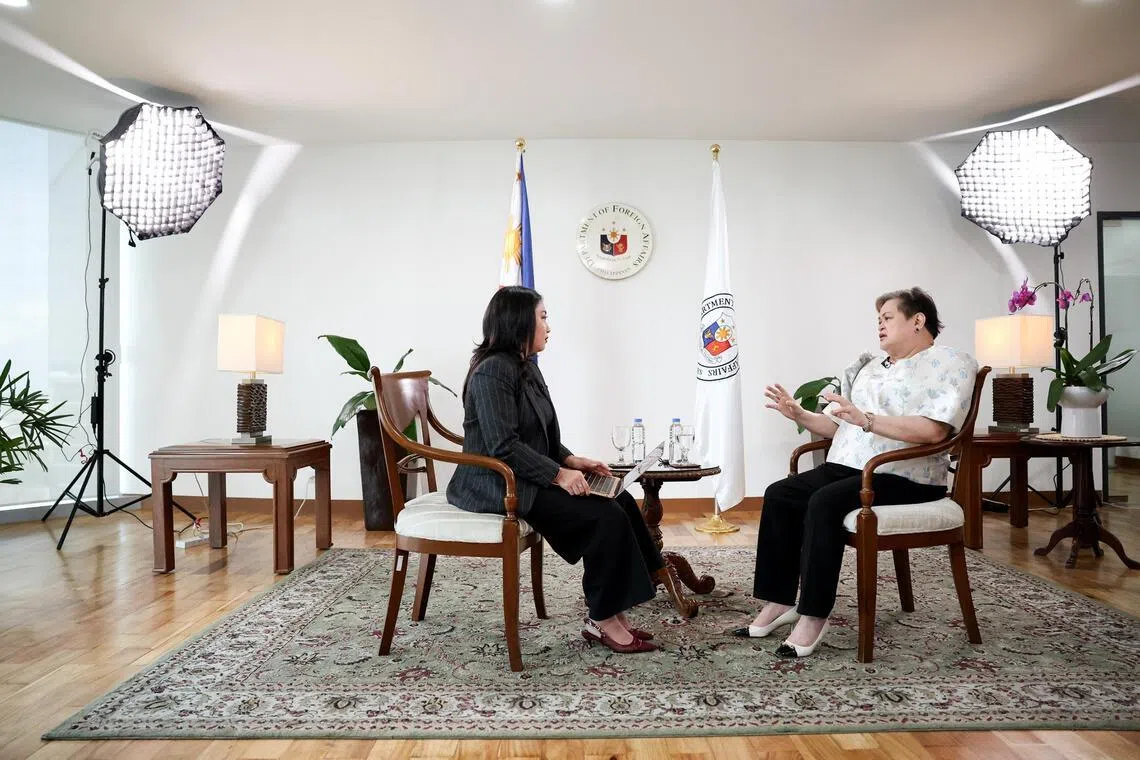
- The definition of 'self-restraint' in the COC still has not been resolved after nearly a decade of negotiations, per Lazaro's remarks at a Washington forum earlier in June.
- ASEAN's response to the Middle East energy crisis remains stalled: the ASEAN Petroleum Security Agreement has no ratification timelines across the 11 member states, and President Marcos Jr. acknowledged that operational details on fuel storage, sharing, and priority still need to be worked out.
- A sharp internal split has emerged in Manila: Defense Secretary Gilberto Teodoro Jr. publicly criticized Beijing at the Shangri-La Dialogue last month, while Lazaro maintained a diplomacy-first approach — a divergence she acknowledged but attributed to different institutional mandates.
- As ASEAN chair's special envoy to Myanmar, Lazaro visited Naypyitaw in January — the first ASEAN foreign minister to do so — and has since engaged humanitarian organizations including Médecins Sans Frontières and the World Food Programme, though she called the situation 'still an exploratory stage.'
Why it matters: The Philippines is betting its ASEAN chairmanship legacy on a binding South China Sea code by December 2026, but with four core provisions still contested and a diplomatic-deterrence split inside Manila's own cabinet, the timeline remains aspirational. The Hormuz shock added political momentum but did not close the gaps — analysts quoted in the article doubt APSA's voluntary fuel-sharing scheme would meaningfully harden ASEAN against the next energy crisis.
Ask SkimNews