ASEAN Pushes for South China Sea Code by Year-End — SkimNews
Get the Geopolitics newsletter
Daily geopolitics — wars, elections, sanctions, the diplomatic moves that move markets. Free.
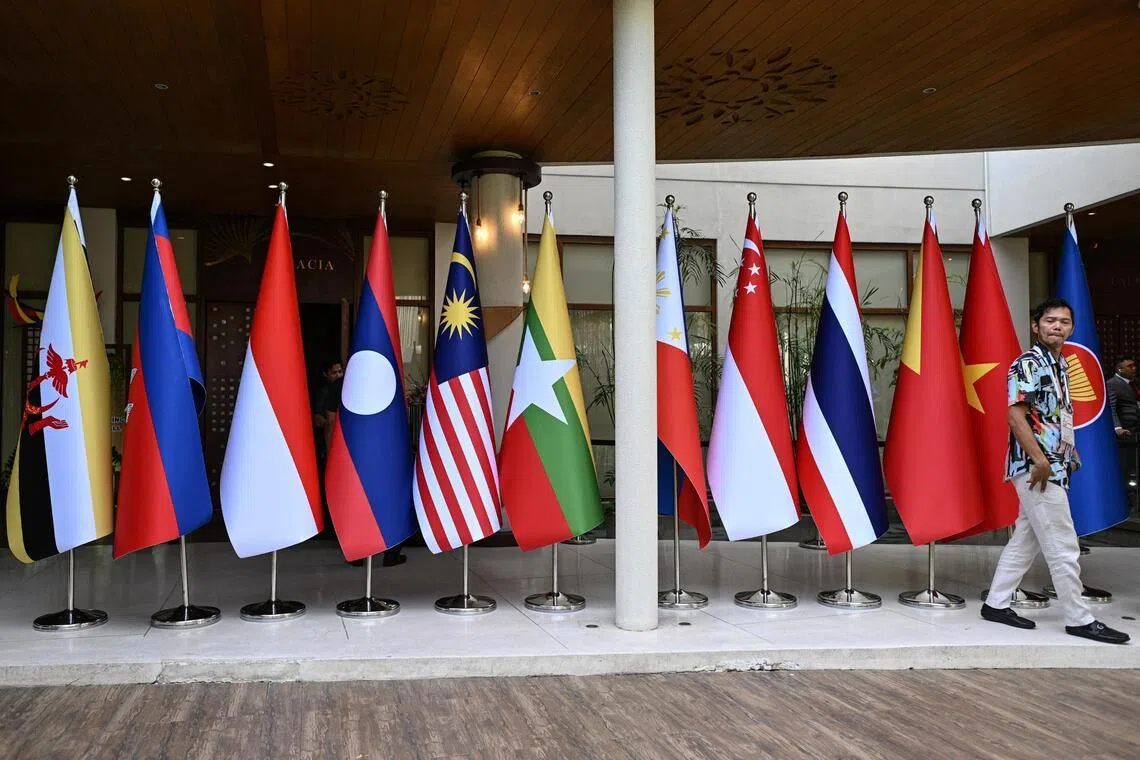
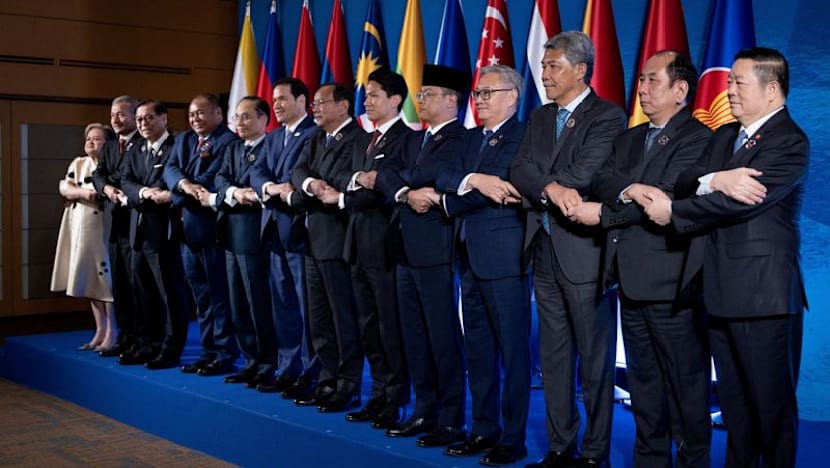
- ASEAN foreign ministers announced 'significant progress' in South China Sea Code of Conduct negotiations at the 59th ASEAN Foreign Ministers' Meeting in Manila on Jul 24, targeting conclusion by the end of 2025 in line with the 1982 UNCLOS.
- Philippine Foreign Affairs Secretary Maria Theresa Lazaro said fresh confrontations between the Philippines and China near Second Thomas Shoal and Scarborough Shoal will feed into continued COC discussions, noting 'political will from all the countries involved'.
- CSIS analyst Andreyka Natalegawa cautioned that the COC talks have been 'thorny' for decades and that current on-water political realities make a 2025 conclusion 'quite challenging,' highlighting the gap between diplomatic momentum and sea-level tensions.
- Singapore Foreign Minister Vivian Balakrishnan said Strait of Hormuz instability and attacks on Saudi tankers in the Red Sea expose supply chain fragility, with ASEAN ministers doubling down on upholding international law, freedom of navigation, and overflight.
- Thailand proposed that access to Aung San Suu Kyi be among the indicators assessing Myanmar's implementation of ASEAN's Five-Point Consensus, with Balakrishnan warning she should not be treated as 'a chip to be bargained over.'
- ASEAN members proposed replacing the current one-year rotating special envoy arrangement for Myanmar with a long-term appointment; Lazaro, who also serves as special envoy, is set to visit Myanmar in the last quarter of 2025.
Why it matters: ASEAN's year-end deadline for a South China Sea Code of Conduct comes after decades of stalled talks, with the Philippines — the 2025 chair — driving urgency. But the same week brought fresh Philippines-China confrontations at Second Thomas Shoal and Scarborough Shoal, and a CSIS analyst quoted in the source says the gap between diplomatic progress and on-water realities makes a 2025 conclusion 'quite challenging.'
Ask SkimNews