Giant Epulopiscium DNA Found in Human Gut Microbiomes — SkimNews

Get the Health newsletter
Daily health & science — research, biotech, public health, the studies worth knowing. Free.
- Epulopiscium DNA was detected in human gut microbiomes worldwide after researchers screened 600,000+ microbiome samples from more than 80 countries, yielding tens of thousands of positive hits across species from shellfish to ferrets.
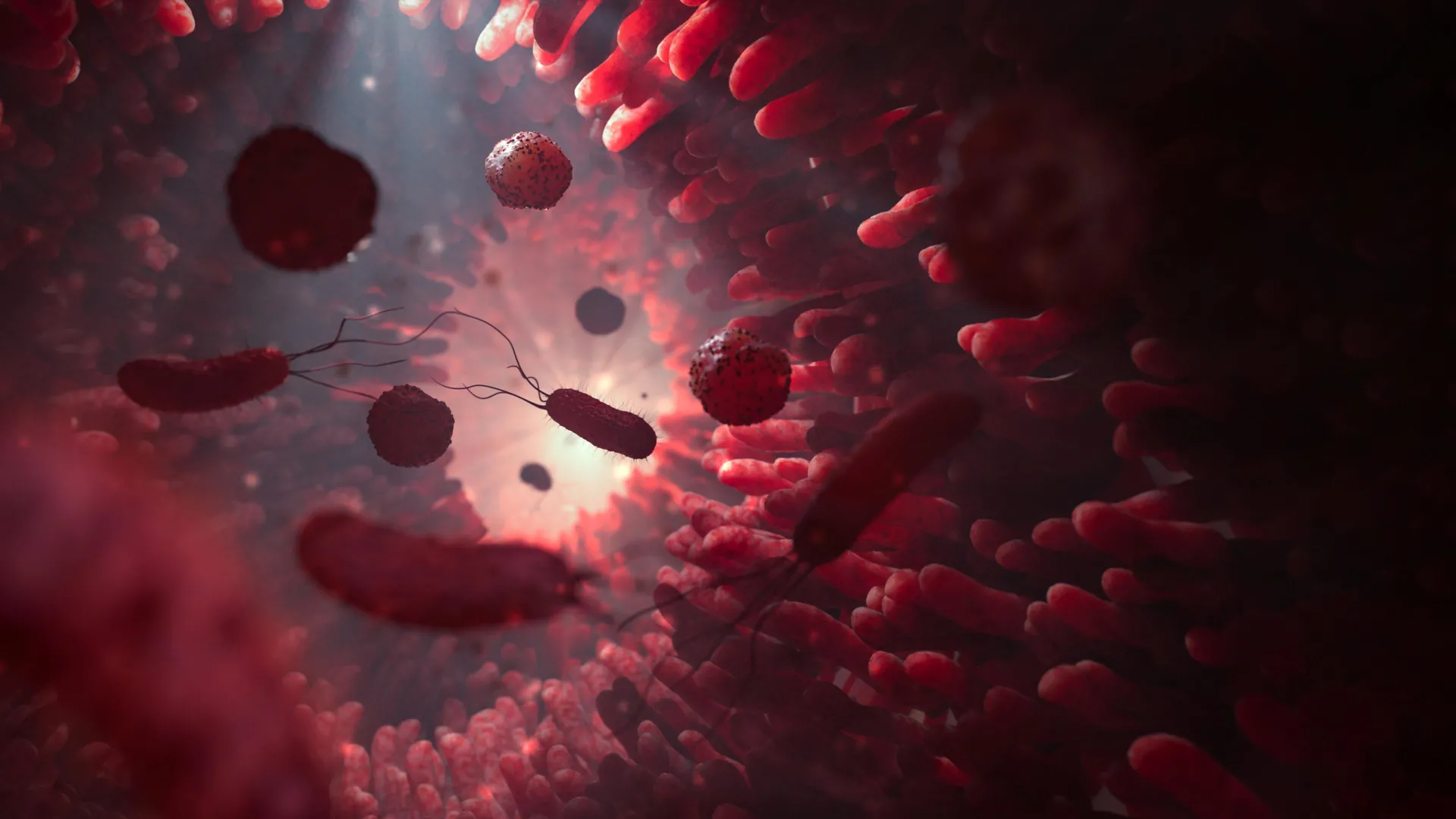
- The giant bacteria — capable of reaching 600 micrometres in length, compared with the typical 2 micrometres — appeared in thousands of human microbiomes, typically accounting for 1-2% of DNA sequences but reaching up to 20% in rare cases.
- Epulopiscium sequences were most abundant in the first year of life and disproportionately present in people with inflammatory gut conditions, including colorectal cancer and irritable bowel disease.
- Danny Ionescu of the Technical University of Berlin said the bacteria likely exploit microbiome imbalances rather than cause them, citing their hundreds-to-thousands of chromosomes as an adaptation to unstable conditions.
- Nicola Segata at the University of Trento cautioned the DNA signals could come from unrelated, unknown bacteria that merely share similar genes — not necessarily giant ones.
- Ionescu's team is now using fluorescent probes designed to bind to the identified sequences to directly image the bacteria under a microscope and confirm they are physically giant.
Why it matters: If confirmed physically present at human scale, Epulopiscium could serve as an early biomarker for microbiome dysregulation, showing up most often in infants and patients with inflammatory gut diseases — potentially flagging trouble before symptoms emerge. The 600-micrometre finding would also shatter the textbook assumption that bacteria inside humans stay at the 2-micrometre norm.
Ask SkimNews