Trump Rebukes Netanyahu Over Iran Gas Field Strike — SkimNews
Get the Geopolitics newsletter
Daily geopolitics — wars, elections, sanctions, the diplomatic moves that move markets. Free.
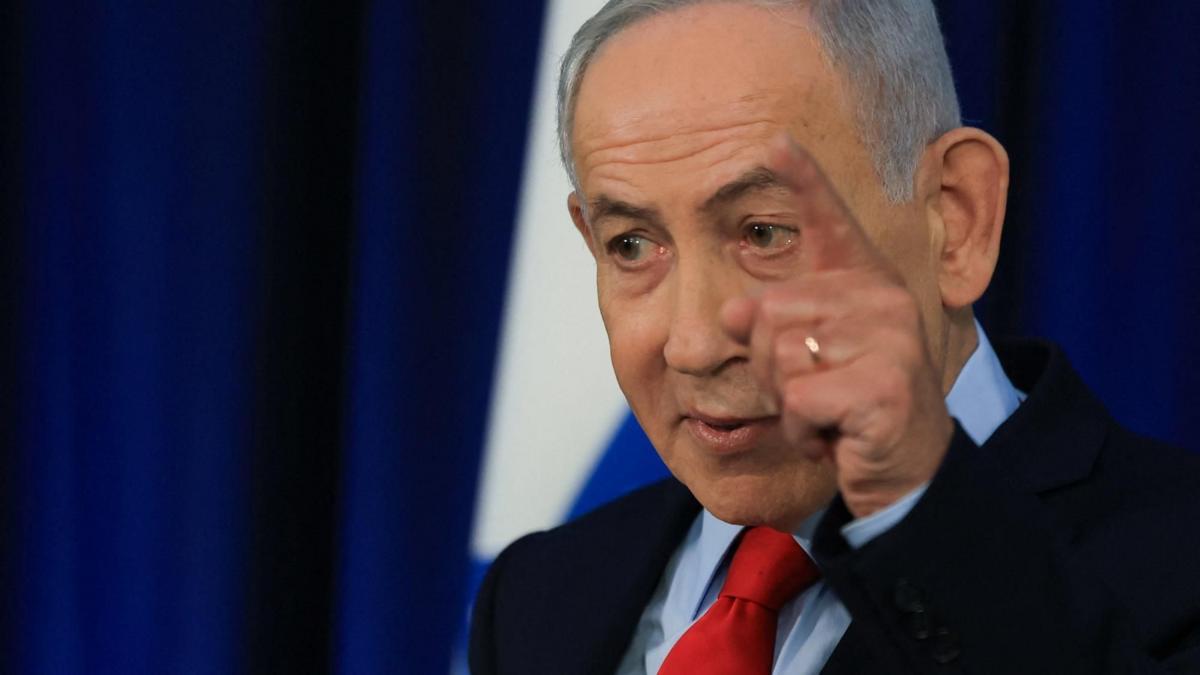
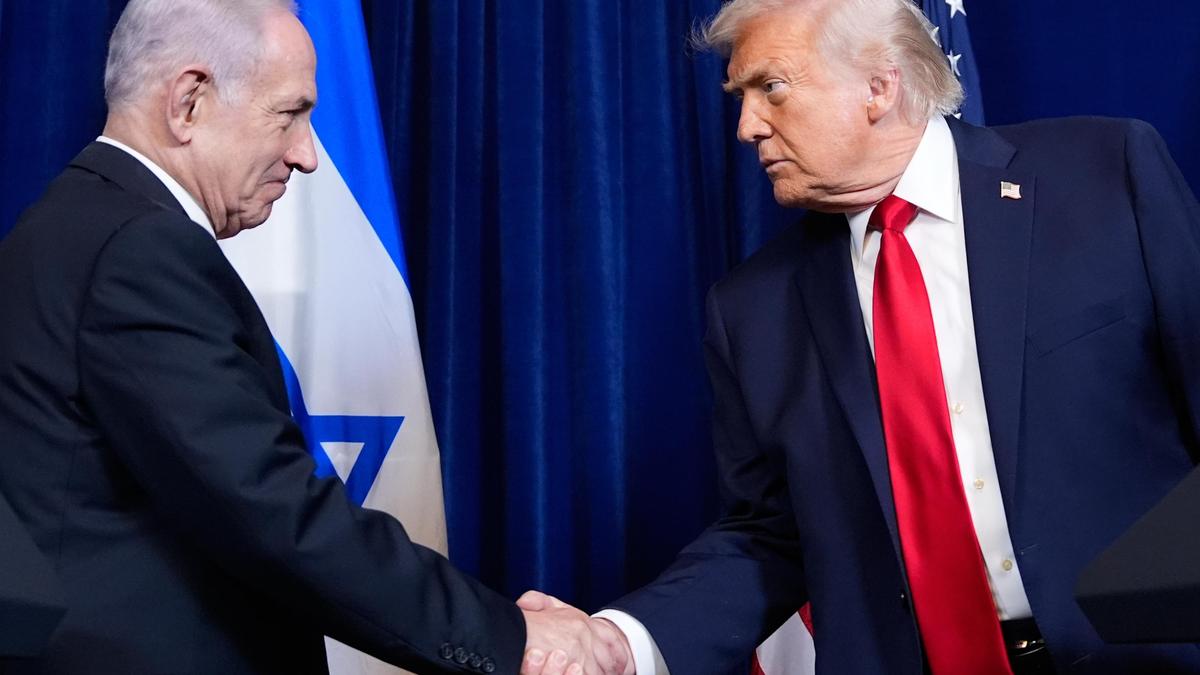
- Trump told reporters he called Netanyahu and said "don't do that" about the bombing of Iran's South Pars gas field, then suggested Netanyahu "won't do that" again, framing the rift as a "modest difference of opinion."
- Three Israeli officials briefed on the operation said the US was informed before the South Pars attack, directly contradicting Trump, who posted on Truth Social that the US did not participate and was unaware of the strike.
- Iran retaliated for South Pars with a missile attack on Qatar's Ras Laffan Industrial City, significantly damaging one of the Gulf's most critical energy hubs and sending oil markets reeling.
- Treasury Secretary Bessent floated releasing more from the Strategic Oil Reserve and suspending sanctions on roughly 140 million barrels of Iranian oil already at sea to suppress surging energy prices, conceding the barrels would flow more revenue to Iran.
- Saudi Arabia's foreign minister Prince Faisal bin Farhan warned his government "reserves the right to take military actions" after two waves of ballistic missiles were intercepted over Riyadh, saying the little trust between Riyadh and Tehran had "completely been shattered."
- Defense Secretary Hegseth claimed the US has struck over 7,000 targets across Iran, including a suspected missile storage site near the Strait of Hormuz hit with the new GBU-72/B bunker buster, but declined to give a "definitive time frame" for achieving objectives.
Why it matters: The public Trump-Netanyahu split is now undeniable and operational: Trump is trying to preserve Iranian energy infrastructure to contain oil prices, while Israel is deliberately targeting Iran's revenue sources in pursuit of "state collapse." The Bessent proposal to free 140 million sanctioned Iranian barrels to calm markets is a tacit admission that the economic containment strategy is failing, and Saudi Arabia's warning that it may retaliate militarily raises the prospect of the war expanding from a US-Israel axis into a broader Gulf conflict.
Ask SkimNews