Ukraine Patriot Production Poses US Security Risks
Get the Geopolitics newsletter
Daily geopolitics — wars, elections, sanctions, the diplomatic moves that move markets. Free.
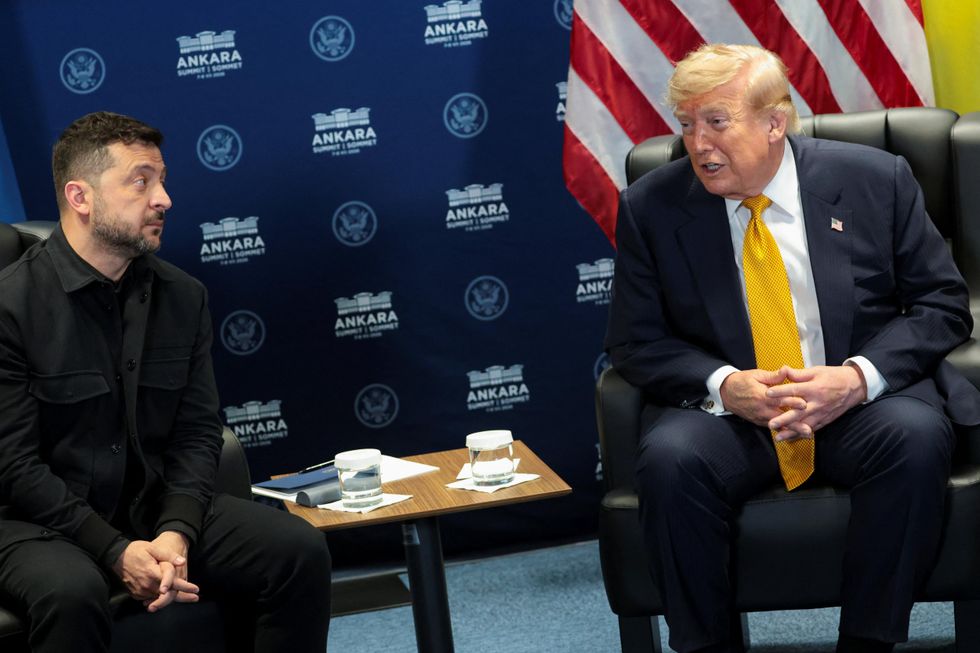
- Zelensky asked G-7 leaders in Evian, France, for a Patriot production license, arguing it would ease both Ukraine's interceptor shortage and global supply constraints worsened when the Iran war diverted stockpiles starting in February.
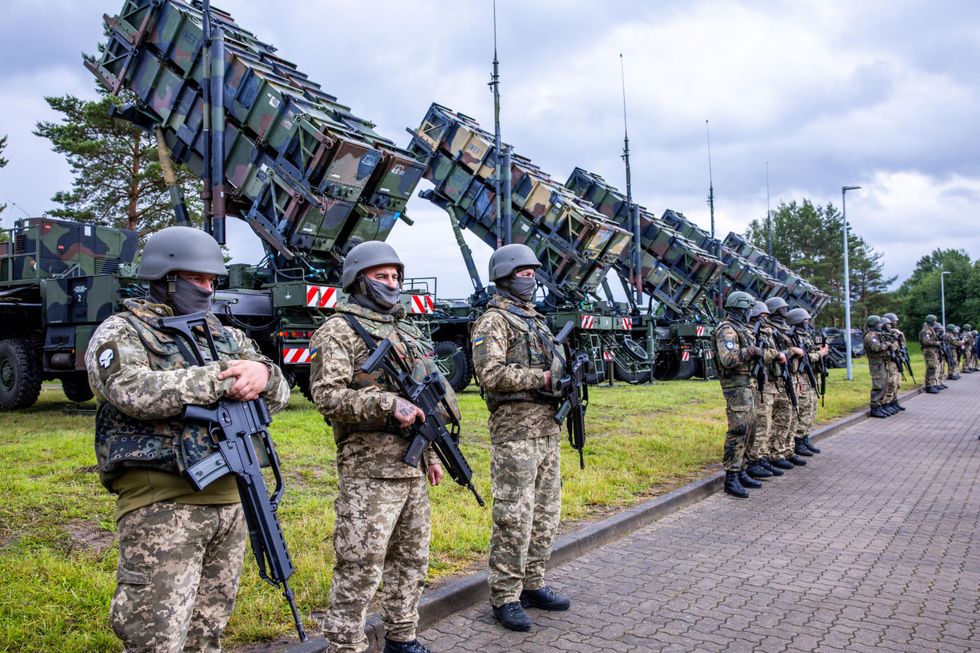
- Russia is on pace to fire more than 900 ballistic missiles and hundreds of thousands of attack and decoy drones at Ukraine in 2026, with multiple Patriot interceptors often required to defeat a single incoming ballistic missile.
- The United States produces roughly 650 Patriot interceptors per year (with plans to reach 2,000 by 2030) and burned through as much as half its stockpile during the Iran war, with Gulf state restocking now competing with Ukraine for supply.
- Germany's Patriot GEM-T timeline shows how long domestic production takes: an RTX-MBDA joint venture launched in early 2024 will not complete its facility until end of 2026 and won't reach full-rate production until 2028 at earliest.
- Ukraine would face two obstacles other licensees did not: Russian strikes on any new production line would force scarce Patriots to defend factories rather than cities, and Ukraine's intelligence environment is "widely penetrated by Russia," risking Patriot IP transfer.
- Only Germany and Japan currently hold Patriot co-production licenses, having cleared strict requirements on factory security, domestically sourced inputs, and end-use agreements that Ukraine likely cannot meet quickly.
- The Trump administration should decline the request, the author argues, and instead prioritize a deep-strike ceasefire, mass-produced Patriot substitutes, and European development of independent anti-ballistic missile systems.
Why it matters: Ukraine would likely see scarce Patriots diverted to defend any new domestic production facilities from Russian strikes, while the United States risks ceding the technical secrets of its premier ballistic-missile interceptor to Moscow — and the underlying math (650 interceptors produced annually against 900+ incoming Russian ballistic missiles per year, plus Gulf restocking) does not pencil out even with Ukrainian production.
Ask SkimNews