South Korea, Indonesia Upgrade Ties, Sign 16 MOUs — SkimNews

Get the Geopolitics newsletter
Daily geopolitics — wars, elections, sanctions, the diplomatic moves that move markets. Free.
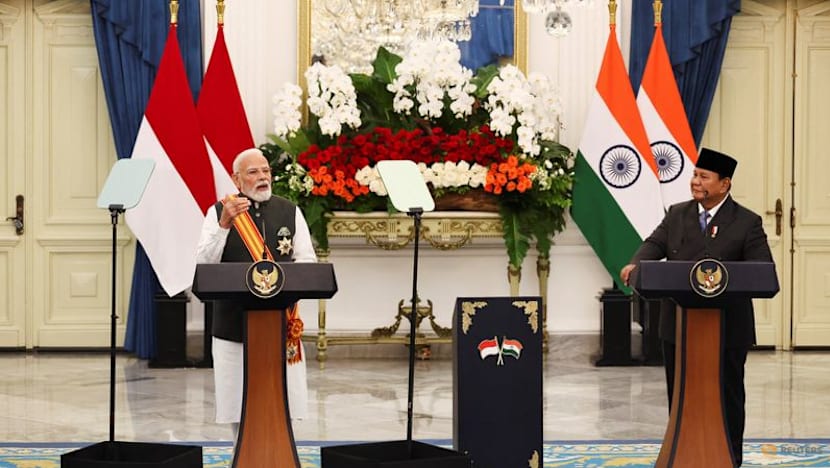
- Presidents Lee Jae Myung and Prabowo Subianto met at the Blue House in Seoul on April 1 and upgraded the bilateral relationship from a 'special strategic partnership' to a 'special comprehensive strategic partnership' (SCSP) — a new bureaucratic designation both leaders gave its own initials
- The two governments concluded 16 memoranda of understanding spanning political and security cooperation, economic partnership, advanced technology, health, and energy, while Indonesia reported approximately US$10.26 billion in South Korean business commitments tied to the visit
- Indonesia's role in critical minerals — it is central to global nickel supply and an important producer of other minerals Korea needs — makes it a complementary partner for Korean battery and advanced manufacturing industries, with the SCSP framed as stabilizing and diversifying those supply chains
- The KF-21/IF-X program is the flagship defense-industrial cooperation project, with the April 2026 joint statement also citing trainer aircraft, anti-tank guided missile systems, ammunition, and expanding shipbuilding and maritime industry cooperation as areas of joint work
- A July 27 track 1.5 follow-up meeting mixing government officials with academics, think tank researchers, and business leaders exposed an implementation challenge: translating broad strategic convergence into concrete projects with responsible agencies, timelines, and measurable outcomes
- The framing explicitly rejects equidistance from major powers — the SCSP is described as adding strategic options rather than replacing the ROK-US alliance or Indonesia's bebas aktif policy, with both countries expected to maintain constructive ties with Washington and Beijing
Why it matters: Both countries gain concrete economic and industrial benefits — Indonesia secures $10.26 billion in Korean business commitments and technology transfer, while Korea locks in critical-mineral supply for its battery and manufacturing sectors — and gain diplomatic hedging room as US alliance management grows more transactional under the 2026 burden-sharing debate.
Ask SkimNews