UN Passes Sea Level Rise Declaration; US Doesn't Block — SkimNews
Get the Energy newsletter
Daily energy & climate — solar, EVs, oil, the policy fights and tech bets shaping the transition. Free.
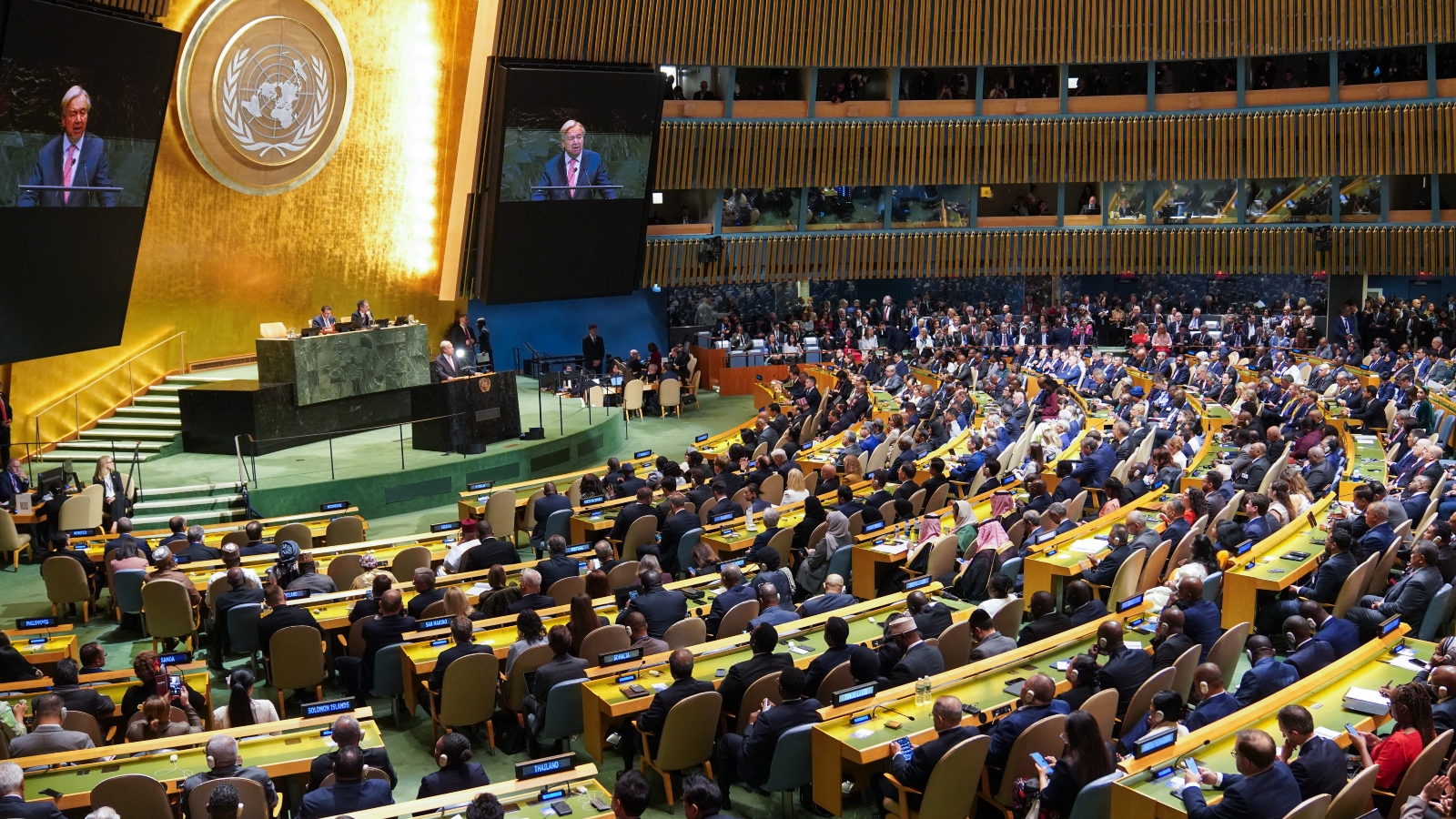
- UN General Assembly approved a unanimous resolution on sea level rise Thursday, and the United States did not block it—a rare departure from Trump's withdrawal from the Paris agreement, attacks on a cargo-ship carbon tax, and tariff threats aimed at climate-vocal countries.
- The declaration enshrines a "presumption in favor of continued statehood," meaning nations like Tuvalu and the Marshall Islands will remain political actors and retain control over their maritime zones for fishing, energy, and military activity even if rising seas swallow their land entirely.
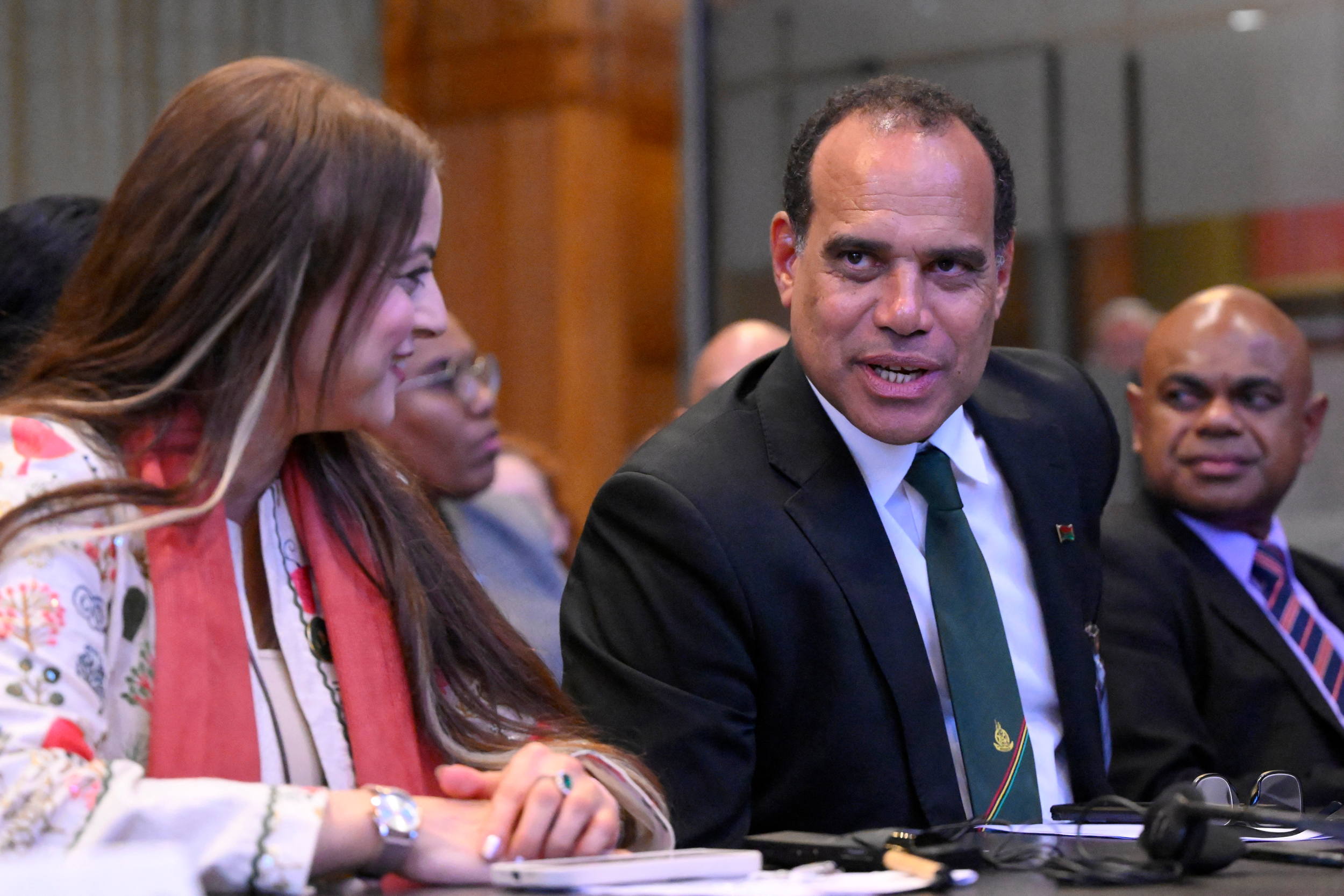
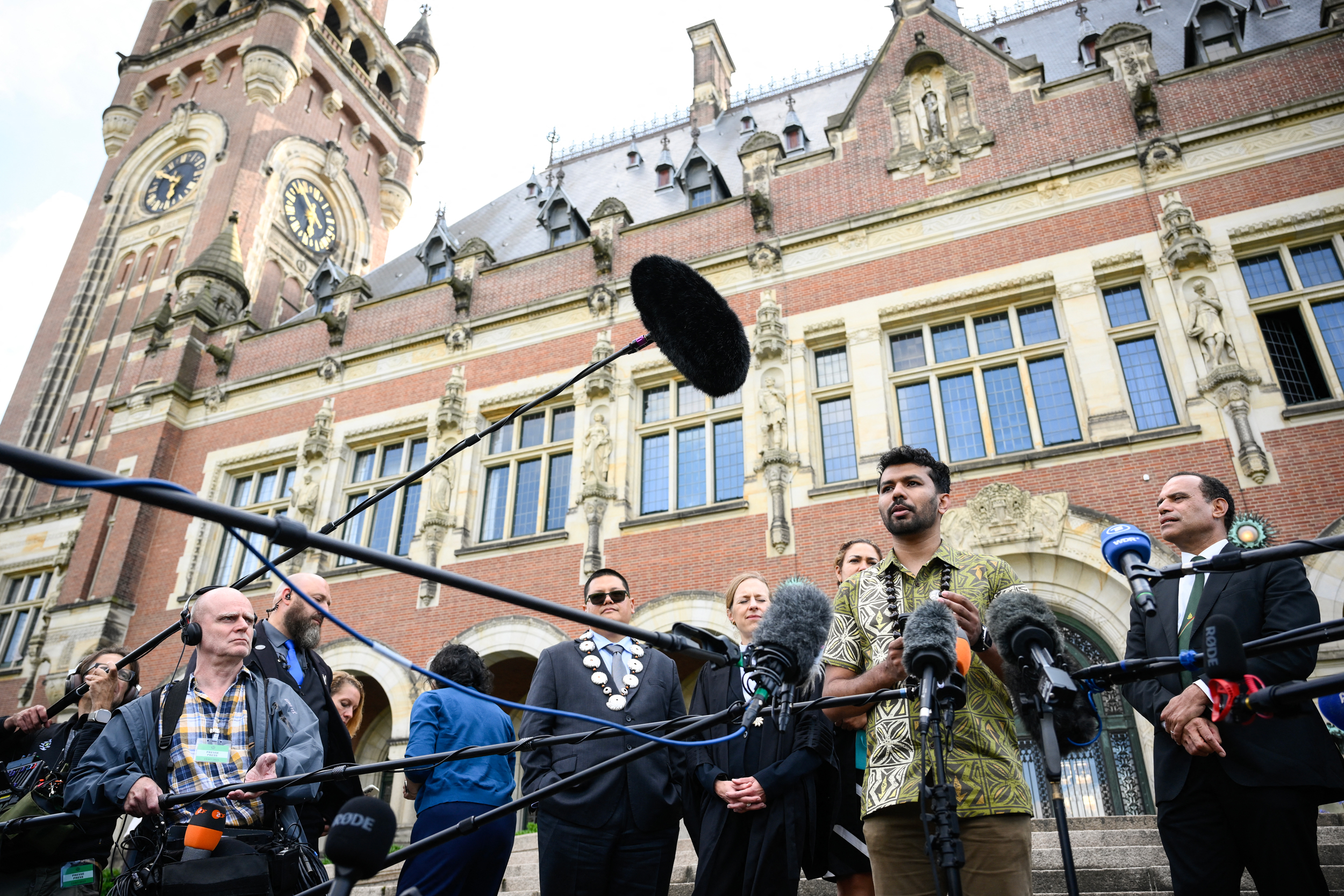
- The Alliance of Small Island States drove the campaign for the declaration, which echoes a 2024 International Court of Justice ruling that "the disappearance of one of [a state's] constituent elements would not necessarily entail the loss of its statehood."
- Bahamas Prime Minister Philip Davis said the legal protections will shield his country's tourism-driven economy against claims on ocean territory for industries like deep-sea mining, telling Grist: "This cannot be a free-for-all ... This cannot be might is right."
- The declaration includes language holding developed countries and historic emitters to an "urgent" obligation to provide "expanded access" to adaptation funds for sea walls, mangrove restoration, and population relocation—language that survived despite wealthy nations rejecting trillions in similar UN climate talks.
- Wealthy countries currently provide about $130 billion a year in grants and low-interest loans for clean energy and adaptation, well short of the $300 billion annual target the world agreed to reach by 2035; the Bahamas already carries billions in debt stemming from 2019's Hurricane Dorian.
- The US signed on because, as NYU law professor Bryce Rudyk put it, "everyone will lose land, and no one wants to lose ocean territory"—a shared self-interest that overcame the Trump administration's dismantling of USAID and exit from dozens of international treaties.
Why it matters: For low-lying nations like the Bahamas, Tuvalu, and the Marshall Islands, the declaration locks in legal recognition of their statehood and maritime rights—including exclusive economic zones covering fisheries and offshore energy—even after their land disappears, foreclosing a future where powerful nations carve up ocean territory. The fact that the US joined the consensus reveals climate cooperation can still advance when every country's own maritime borders are on the line, though the declaration alone does not close the gap between the $130 billion in current adaptation finance and the $300 billion annual target set for 2035.
Ask SkimNews