Iran's Balochistan Unrest Grows as Armed Groups Unite — SkimNews
Get the Geopolitics newsletter
Daily geopolitics — wars, elections, sanctions, the diplomatic moves that move markets. Free.
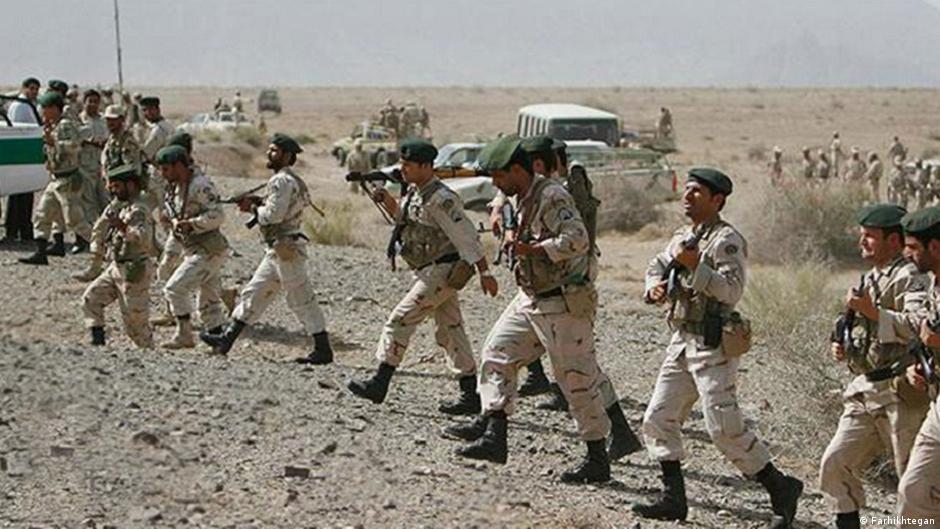
- Sistan and Baluchistan province has seen a surge in attacks, assassinations and armed clashes in recent weeks, with violence spreading from the provincial capital Zahedan to smaller border towns; victims have included members of Iran's Revolutionary Guards, the Basij militia, armed individuals, and a Sunni cleric.
- The Popular Fighters Front, a December 2025 coalition of several Baloch opposition groups that formed before the Iran war began, could exploit wartime security gaps to expand operations, Italian-based Iranian journalist Mehdi Nakhl Ahmadi told DW.
- Baluchis, who make up an estimated 2–6% of Iran's population, are significantly overrepresented in executions—accounting for 9% of all recorded executions in 2025, down from 11% in 2024 and 20% in 2023, according to Iran Human Rights.
- Sistan and Baluchistan is one of Iran's poorest provinces, with underdeveloped infrastructure, limited educational opportunities, water shortages and a heavy security presence tied to opium and fuel smuggling; a source said years of failed peaceful advocacy have pushed some toward more radical measures.
- Pakistan's Balochistan recorded 131 armed attacks in September, up from 89 in August, per the Pakistan Institute for Conflict and Security Studies, as both long-standing Baloch separatists and the Pakistani Taliban (TTP) expand operations.
- Transportation links between Iran and Pakistan are coming under growing pressure, though the source notes there is no evidence yet of coordinated cross-border cooperation among the various armed groups active in the region.
Why it matters: Iran's war has created security gaps that the newly-formed Popular Fighters Front coalition could exploit, while structural poverty, drug-related executions, and ethnic marginalization continue to fuel radicalization independent of the conflict. The parallel surge in Pakistan's Balochistan—131 attacks in September, up from 89 in August—signals the crisis is regional, with key Iran-Pakistan transit routes now under growing strain.
Ask SkimNews