Nedergaard Shows Sleep Aids Disrupt Brain Waste‑Pump — SkimNews

Get the Health newsletter
Daily health & science — research, biotech, public health, the studies worth knowing. Free.
- Maiken Nedergaard and her team illuminated the glymphatic cleaning mechanism in a Cell paper last year, earning the 2026 STAT Madness Editors’ Pick among 64 competing teams.
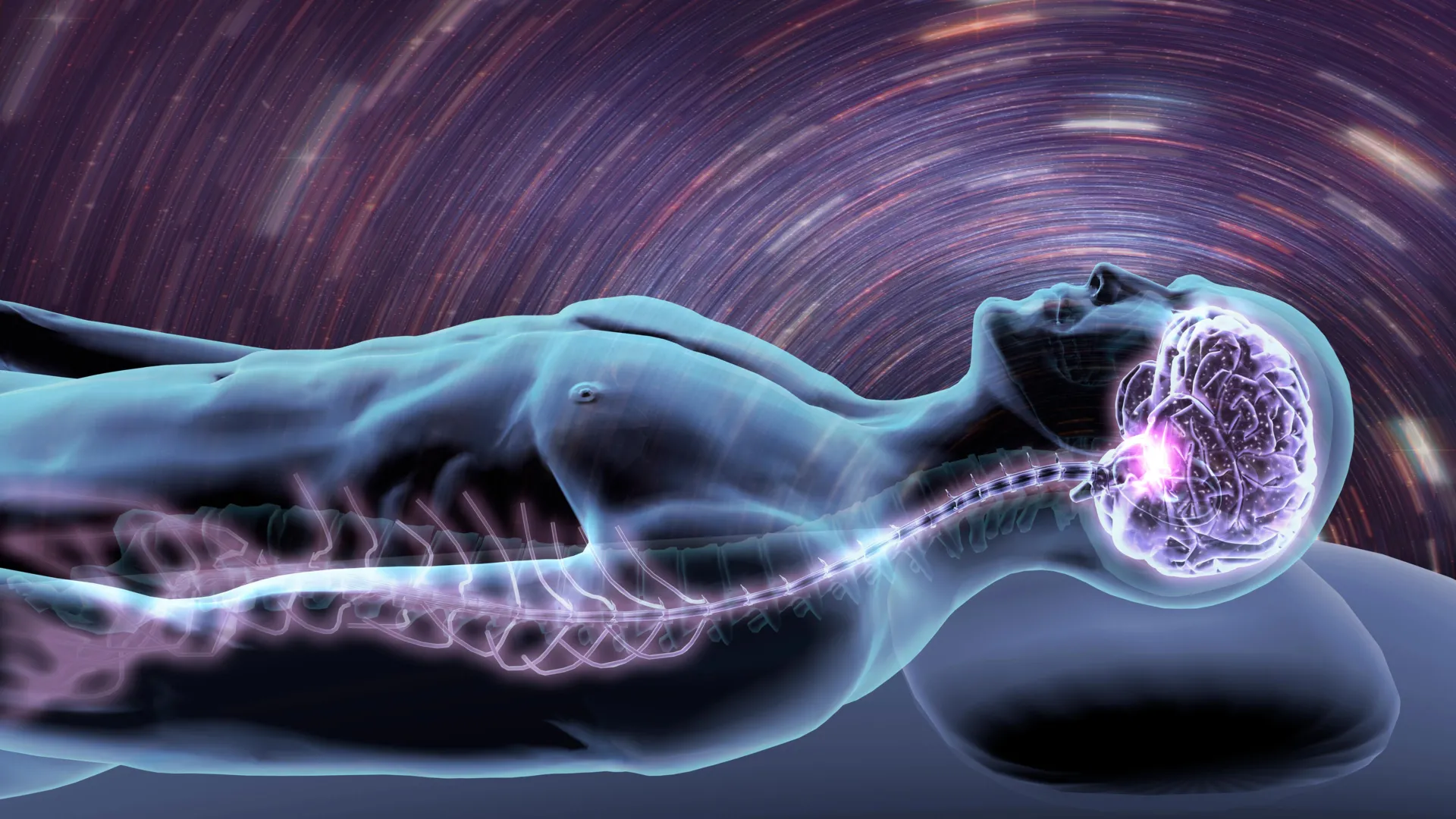
- The glymphatic system flushes out dangerous proteins and toxins during deep non-REM sleep via synchronized oscillations of norepinephrine, blood volume, and cerebrospinal fluid.
- Sleep medications such as Ambien inhibit the blood vessel “pump” that drives glymphatic fluid flow in mice, potentially impairing brain waste clearance.
- Human imaging studies now demonstrate the same donut-shaped perivascular fluid pathways identified in animal models, supporting translational relevance.
- Researchers are developing MRI‑based “glymphograms” to detect impaired brain clearance early, aiming to identify individuals at higher risk for dementia.
- Ultrasound and vibration devices are being tested in animals to boost glymphatic clearance, representing a potential therapeutic avenue.
- Nedergaard emphasizes that brain housekeeping has been under‑studied compared to information processing, highlighting a shift in neuroscience focus.
Why it matters: Patients who rely on sleep aids like Ambien may lose the brain’s natural waste‑clearance during deep sleep, while clinicians could gain a new MRI‑based glymphogram to flag early Alzheimer’s risk, shifting diagnosis from symptom‑based to clearance‑based and prompting earlier lifestyle interventions; pharmaceutical firms may need to reassess the neuro‑protective profile of common hypnotics.
Ask SkimNews