Harnessing Brain's Nightly Cleanup to Fight Alzheimer's — SkimNews

Get the Health newsletter
Daily health & science — research, biotech, public health, the studies worth knowing. Free.
- Jeffrey Iliff and colleagues at the University of Washington discovered the glymphatic system in 2012 by injecting fluorescent tracers into mouse brains, showing cerebrospinal fluid sweeps waste along the outside of blood vessels via channels formed by astrocyte projections.
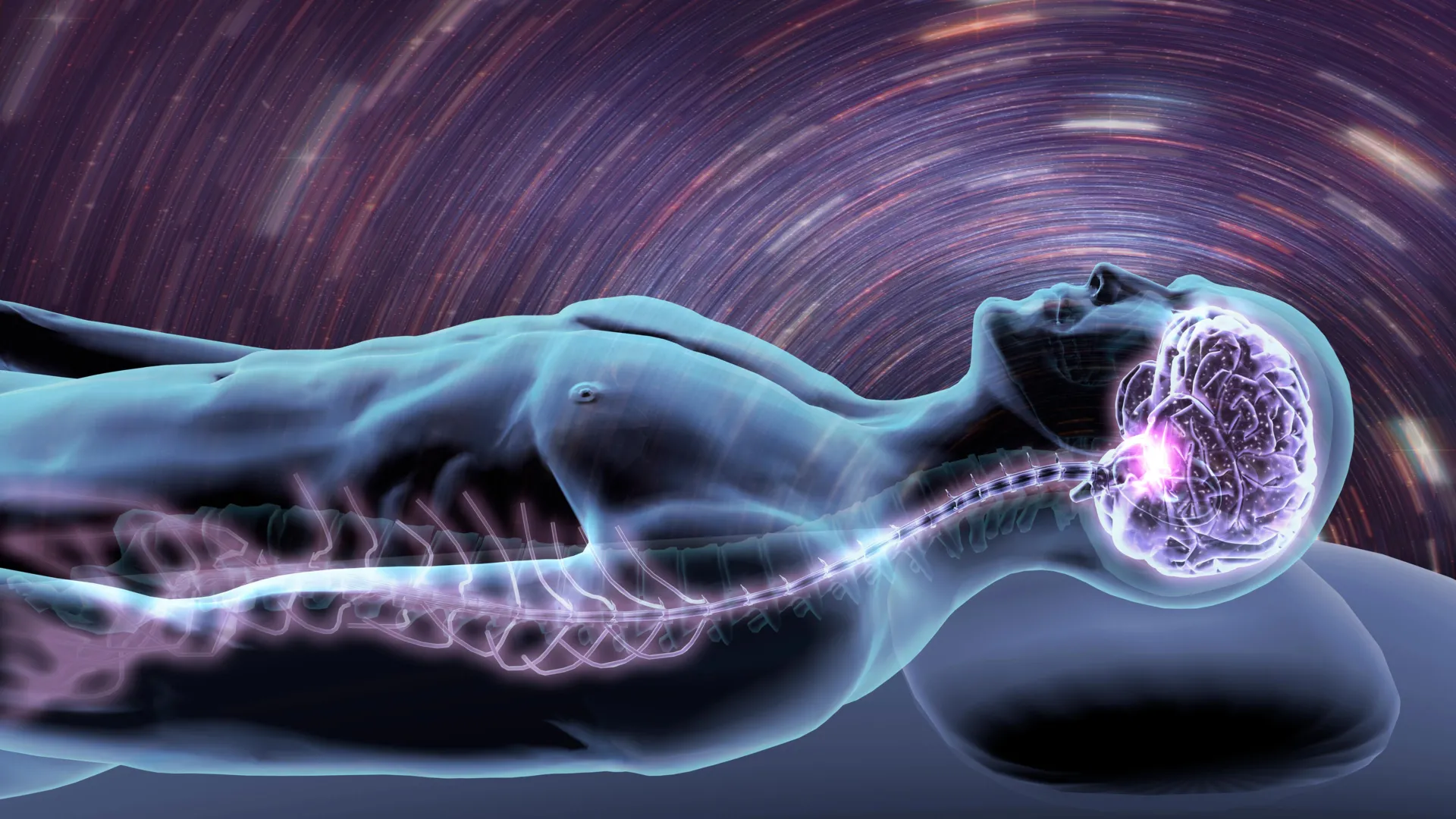
- Maiken Nedergaard's team at the University of Rochester found glymphatic flow in mice drops by about 95% upon waking, and that beta-amyloid — the protein that forms plaques in Alzheimer's — is cleared roughly twice as fast during sleep.
- Natalie Hauglund and colleagues at the University of Oxford showed that noradrenaline concentrations oscillate roughly every 50 seconds during non-REM sleep, causing brain arteries to gently swell and constrict and pump glymphatic fluid — a mechanism likely degraded as arteries stiffen with age.
- Geir Ringstad and Per Kristian Eide at the University of Oslo demonstrated the glymphatic system operates similarly in the human brain and showed that just one night without sleep reduces tracer removal from people's brains.
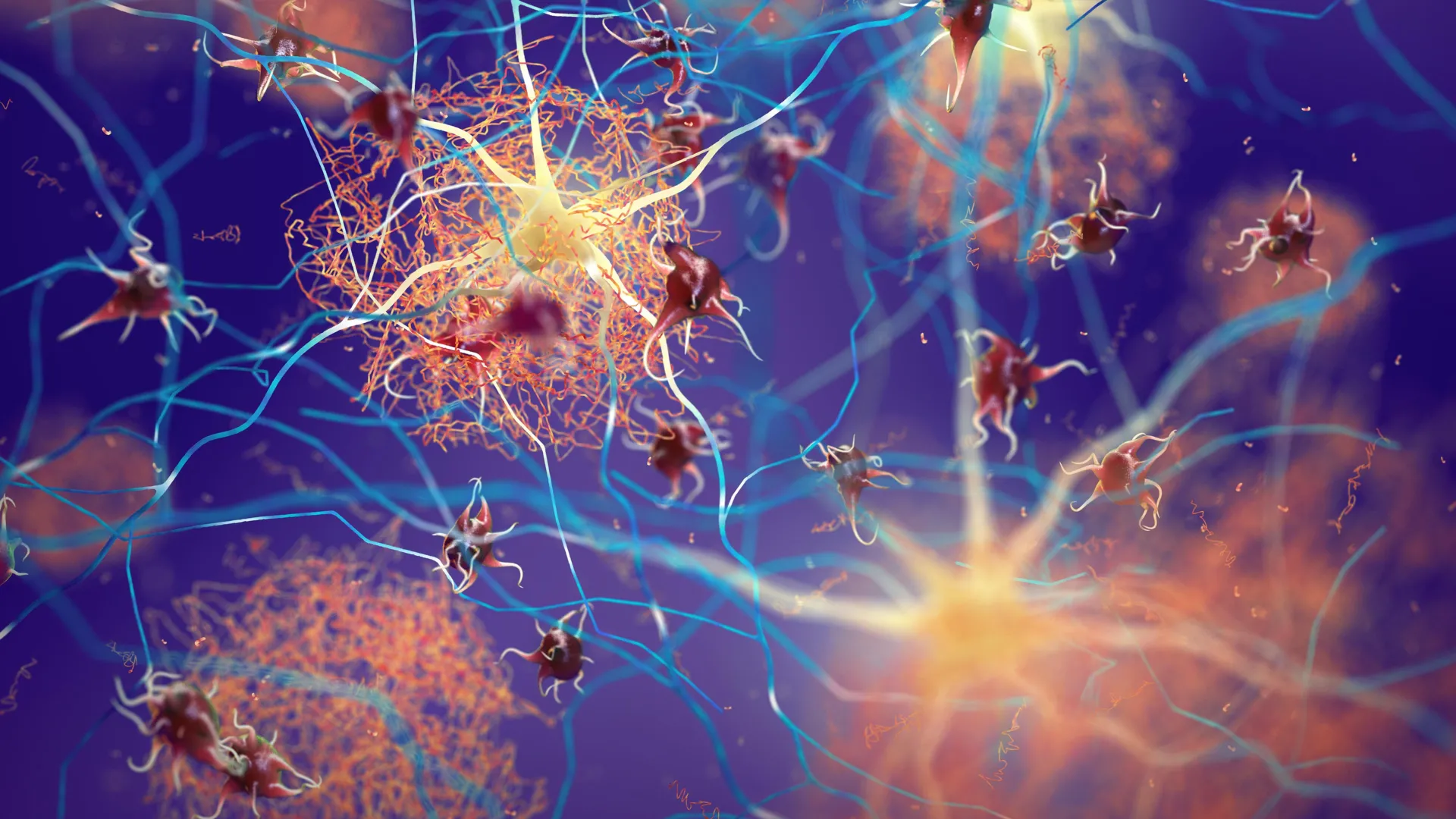
- In January, Iliff's group found the glymphatic system helps clear both beta-amyloid and tau from the brains of people without dementia, adding to links between glymphatic dysfunction and Alzheimer's, Parkinson's, migraine, and early psychosis.
- Pilot interventions show early promise — in one 57-person dementia study, participants wore a near-infrared light helmet for 6 minutes twice daily over 8 weeks and showed small cognitive gains; a separate 5-person Vielight headset pilot reported cognitive improvements after 12 weeks.
- Ringstad and Eide published a February comparison finding little correlation between the field's go-to human measurement tool — DTI-ALPS MRI — and gold-standard tracer methods, prompting Iliff to warn that a large part of the field is "running away with a technique that is invalid."
Why it matters: The glymphatic system ties a basic daily behavior — sleep — to long-term risk of Alzheimer's, Parkinson's, and migraine, and near-infrared light pilots have produced measurable cognitive gains in small dementia cohorts. But with the field's primary MRI measurement method now shown to correlate poorly with tracer-based gold standards, and no approved clearance-boosting treatment, separating genuine prevention strategies from hype will shape where patient hope and research funding flow over the next decade.
Ask SkimNews