What the New China-North Korea Bridge Really Means — SkimNews

Get the Geopolitics newsletter
Daily geopolitics — wars, elections, sanctions, the diplomatic moves that move markets. Free.
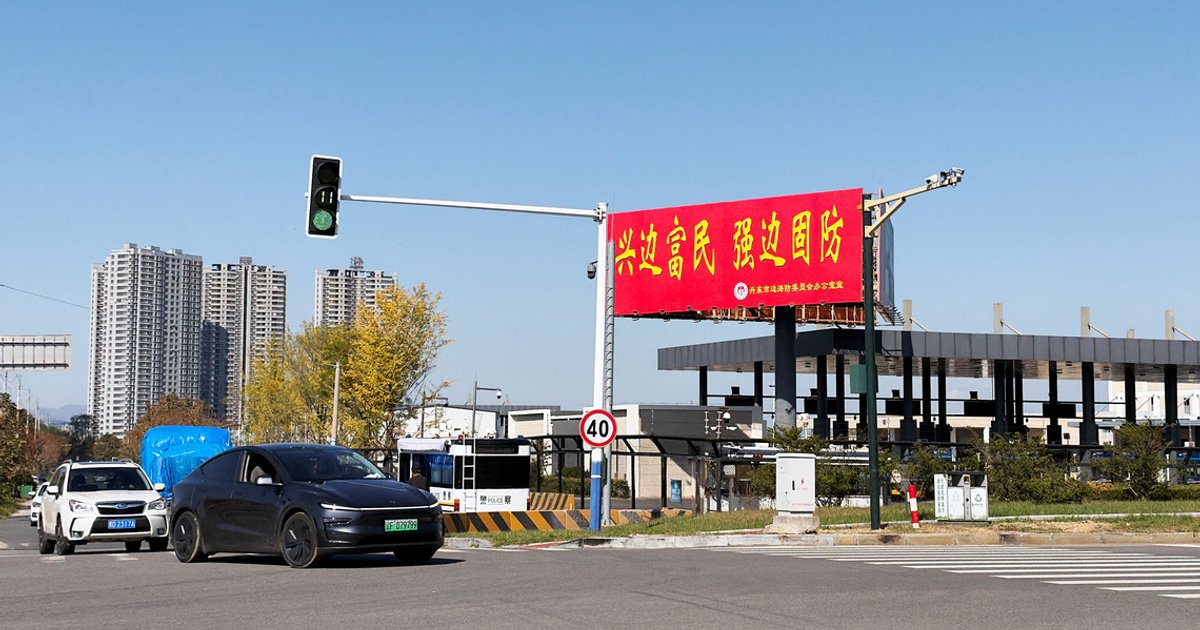
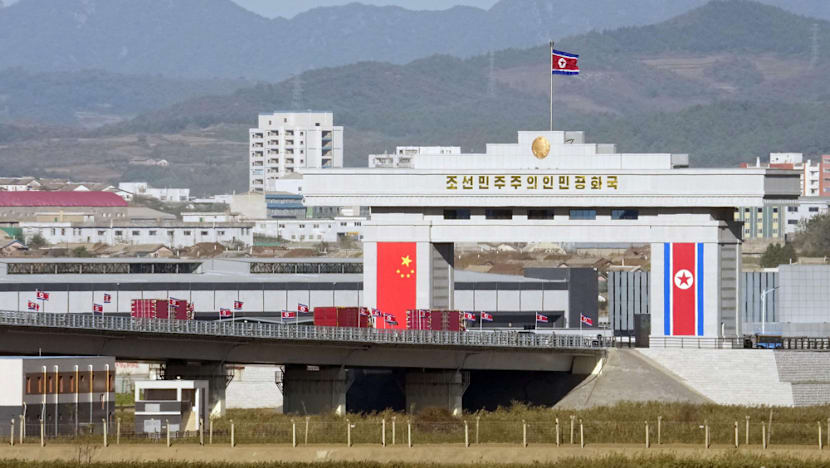
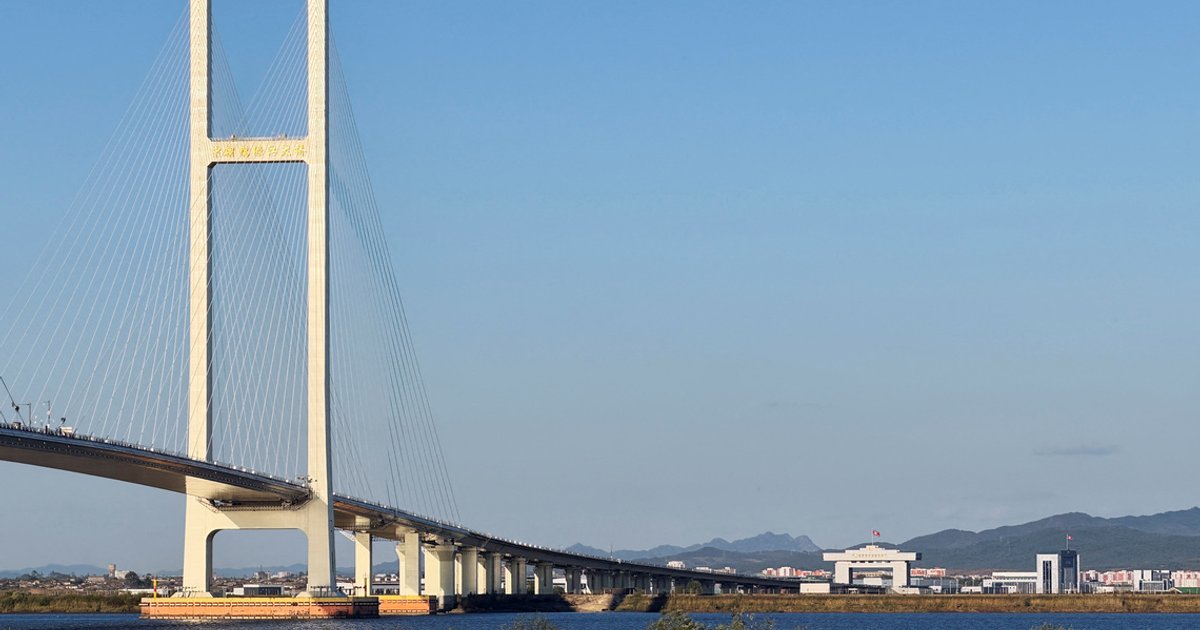
- The New Yalu River Bridge opened to cargo trucks on October 15 after construction finished in 2014, with the article blaming the 12-year delay on Pyongyang's failure to build connecting roads and customs facilities, bilateral frictions, sanctions, and the COVID-19 border closure.
- North Korea has reportedly pitched Chinese businesspeople on developing roughly 40 square kilometers of southern Sinuiju into a logistics, processing, and trade hub, though UN sanctions on industrial equipment imports, processed-goods exports, and joint ventures will constrain the project.
- State-run stores, grain shops, and distribution agencies in North Korea are likely to capture new import flows first, with the article arguing the traditional model of private merchants supplying general markets may give way to one where the state manages import and allocation.
- North Korea's "20×10" local-factory push could benefit from steadier Chinese raw material supplies, but greater reliance on Chinese inputs widens the gap between the regime's self-reliance rhetoric and its actual dependence on Beijing.
- Daily NK plans to track monthly truck crossings, the share of Chinese goods in markets, factory operating days, and consumer purchasing power at three, six, and twelve months after the opening, comparing Sinuiju with cities like Pyongsong and Hyesan to see how far inland the trade actually reaches.
Why it matters: After a 12-year wait, the Yalu Bridge becomes a working trade artery that could deliver cheaper Chinese goods and factory inputs to North Korean markets — but the article makes clear that state trading companies and distribution agencies, not private merchants, will likely capture most of the gains, while deepening Pyongyang's structural dependence on Beijing.
Ask SkimNews