'Not afraid to stay': The Canadians who want to change how wildfires are fought — SkimNews
Get the Energy newsletter
Daily energy & climate — solar, EVs, oil, the policy fights and tech bets shaping the transition. Free.
- Hubert Wigwas, a 58-year-old councillor from Gull Bay First Nation in northern Ontario, defied evacuation orders as a wildfire burned 24km from his community, installing roof sprinklers and fuelling four escape boats — and now faces a C$800 ($570; £425) fine he plans to fight in court.
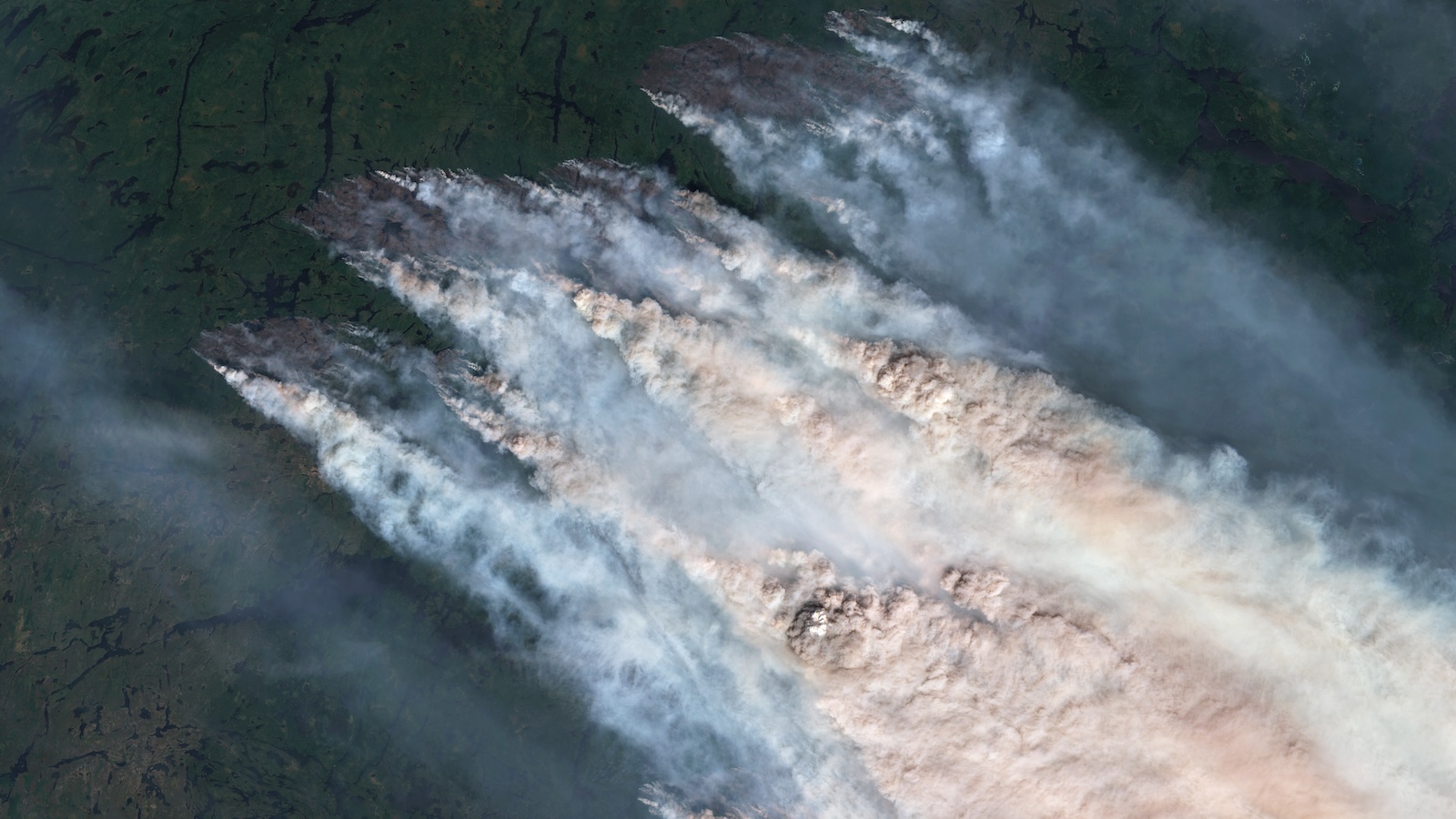
- Canada's 2023 wildfire season was its most destructive on record, scorching forest land roughly the size of Syria; as of this August, more than 750 wildfires are actively burning nationwide, including over 150 in Ontario's northwest and 115 in British Columbia.
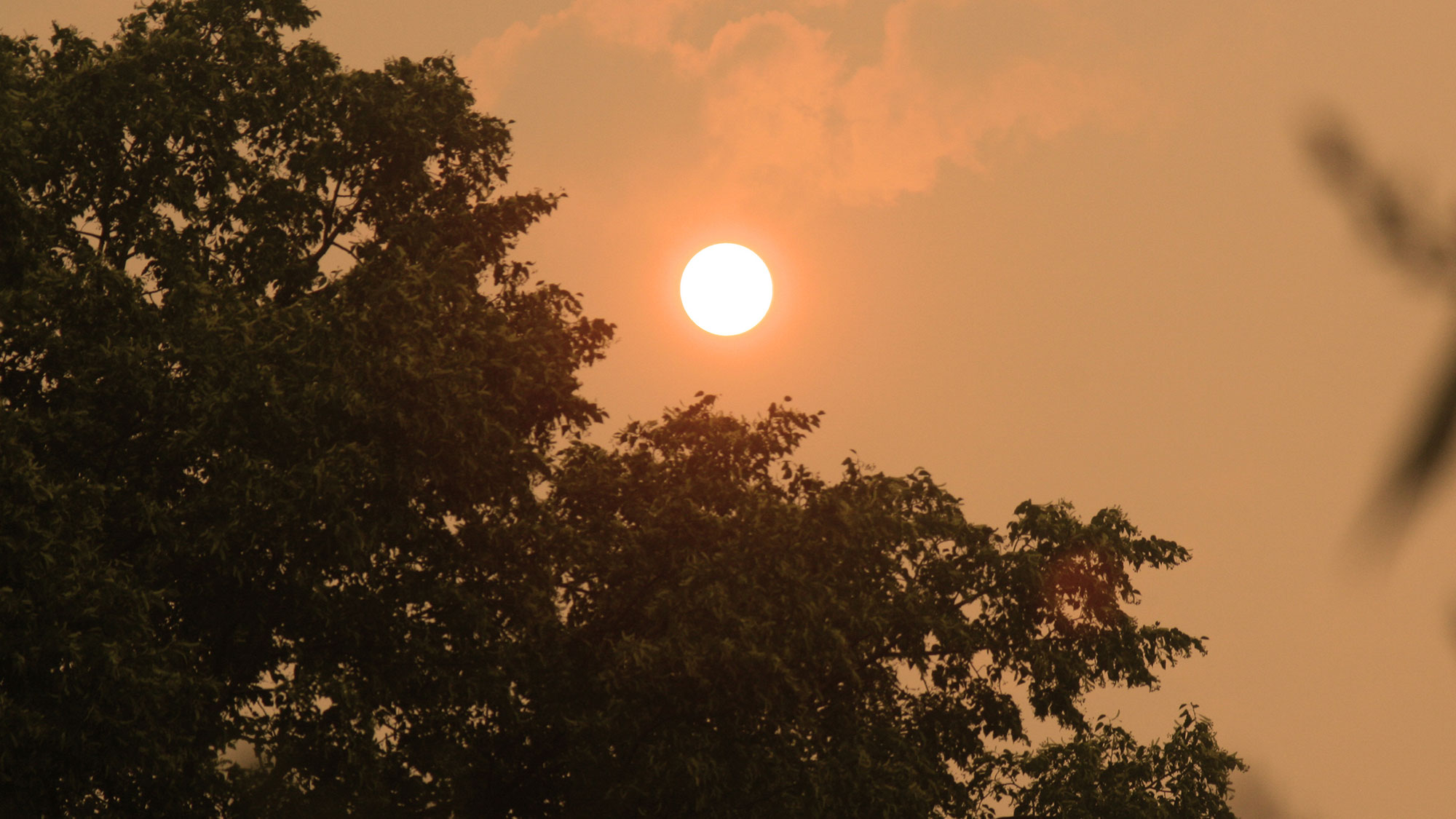
- President Donald Trump threatened to further tariff Canada over wildfire smoke choking the US Midwest, calling the cross-border air "filthy, polluted."
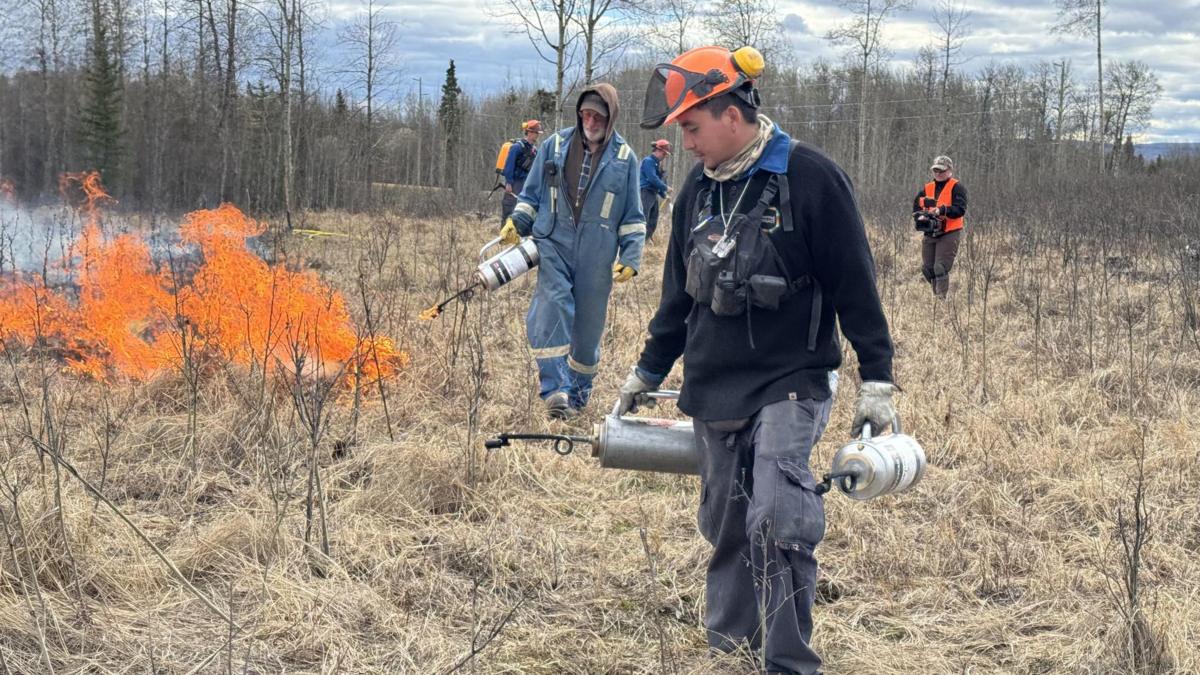
- Sonja Leverkus, a wildfire researcher in Fort Nelson, BC, has trained more than 400 people over three years through the Northeast BC Rural Incident Management Team — a primarily Indigenous group that has run prescribed burns and deployed self-funded fire wagons, sometimes arriving before provincial crews.
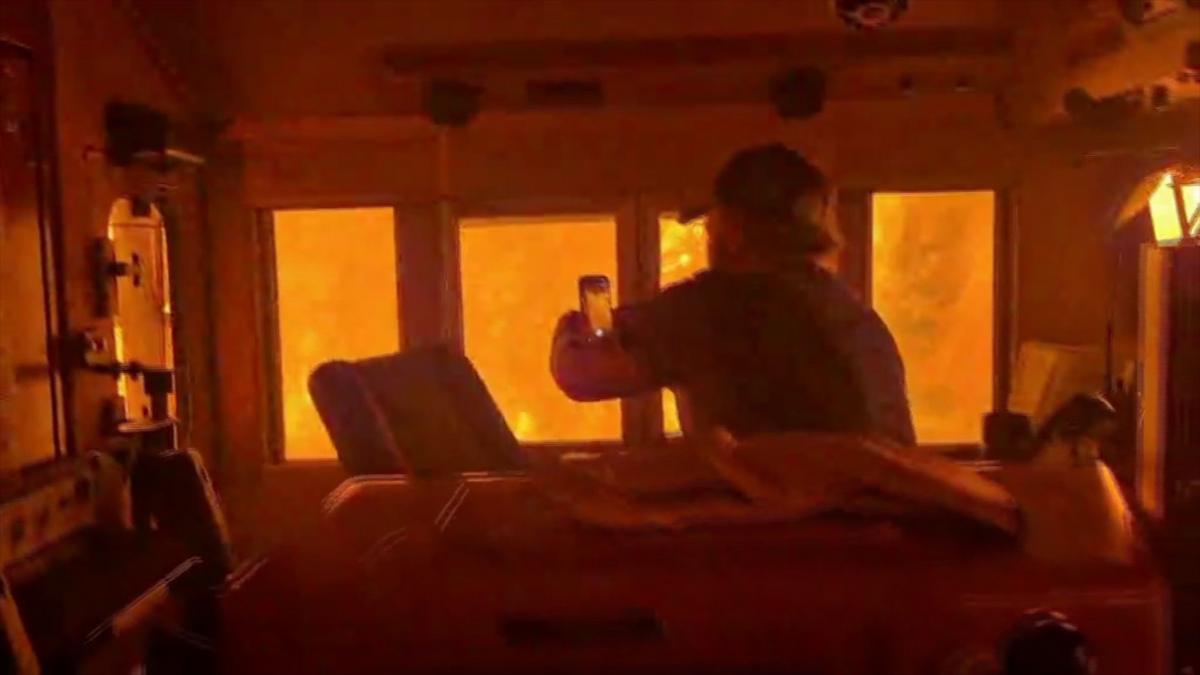
- During Fort Nelson's 2024 wildfire, Leverkus and 40 of her team members stayed behind and were hired by the province to clear flammables and support fire suppression activities.
- The "stay and defend" mindset is "aggressively opposed" by Canadian academics, according to University of Western Ontario researcher Paul Kovacs, who credits Canada's lower wildfire fatality rate to its evacuation-first policy and contrasts it with Australia's approach.
- BC's Ministry of Forests said Wildfire's full-time staff has grown 56% in recent years, but self-organized rural groups like Leverkus's can only be temporarily hired when no provincial firefighters remain available; last week crews had to rescue a man in the Village of Clinton who refused to evacuate.
Why it matters: With more than 750 wildfires burning and official crews stretched thin, remote and First Nations communities are building their own frontline response — but doing so without formal recognition creates legal and safety friction. Wigwas's C$800 fine and BC's forced rescue of a defiant resident in Clinton show the real cost of disobeying evacuation orders, while Leverkus's push to get her program certified could set a national precedent for community-led fire defense.
Ask SkimNews