Hawaii LNG Plan Risks Cost Savings Amid Price Shocks — SkimNews

Get the Energy newsletter
Daily energy & climate — solar, EVs, oil, the policy fights and tech bets shaping the transition. Free.
- Hawaii State Energy Office' January 2025 alternative fuels study found that an interim LNG transition could yield a net present value of roughly $150 million and levelized savings of $10.2 /MWh (Alternative 1A).
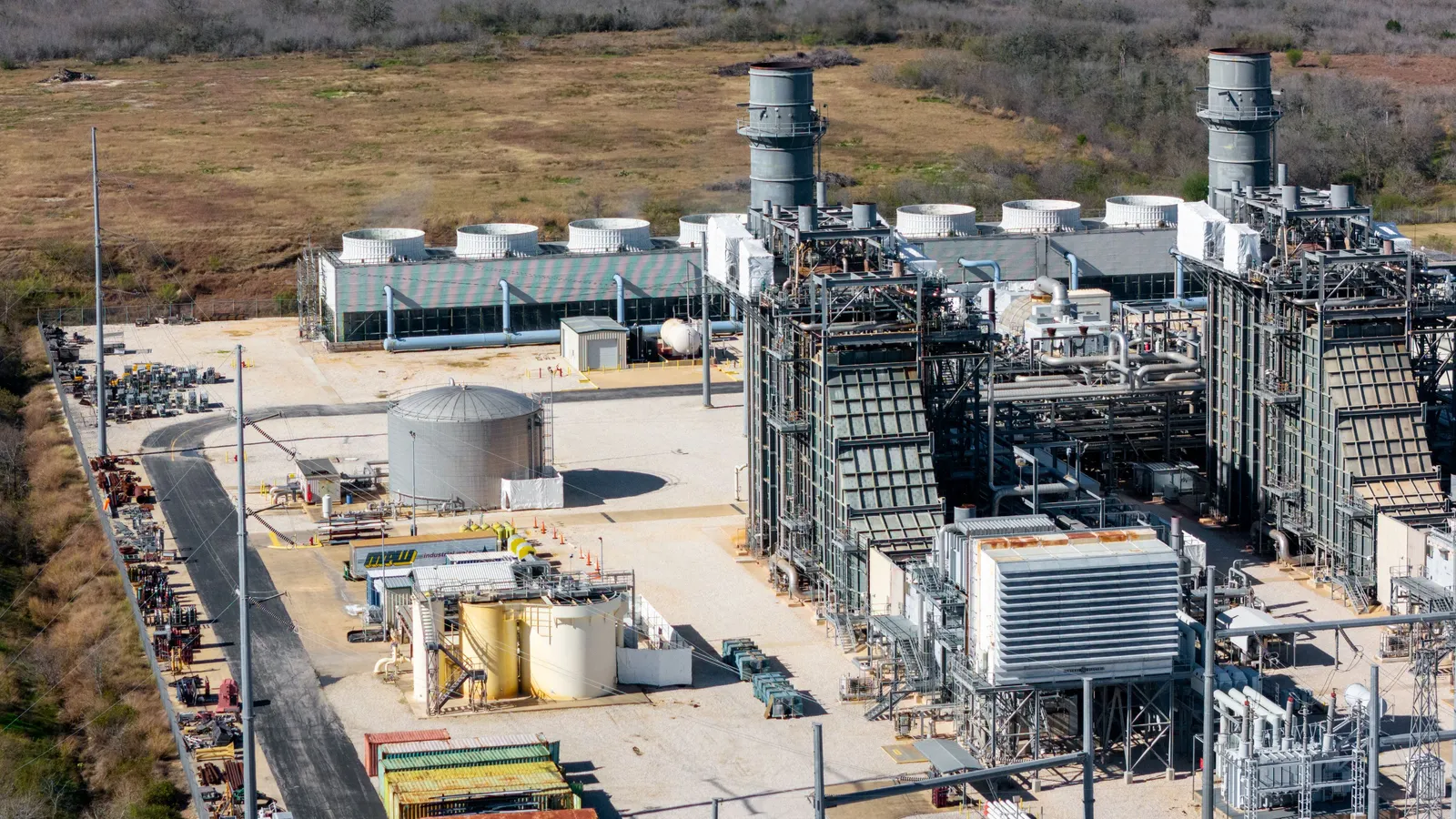
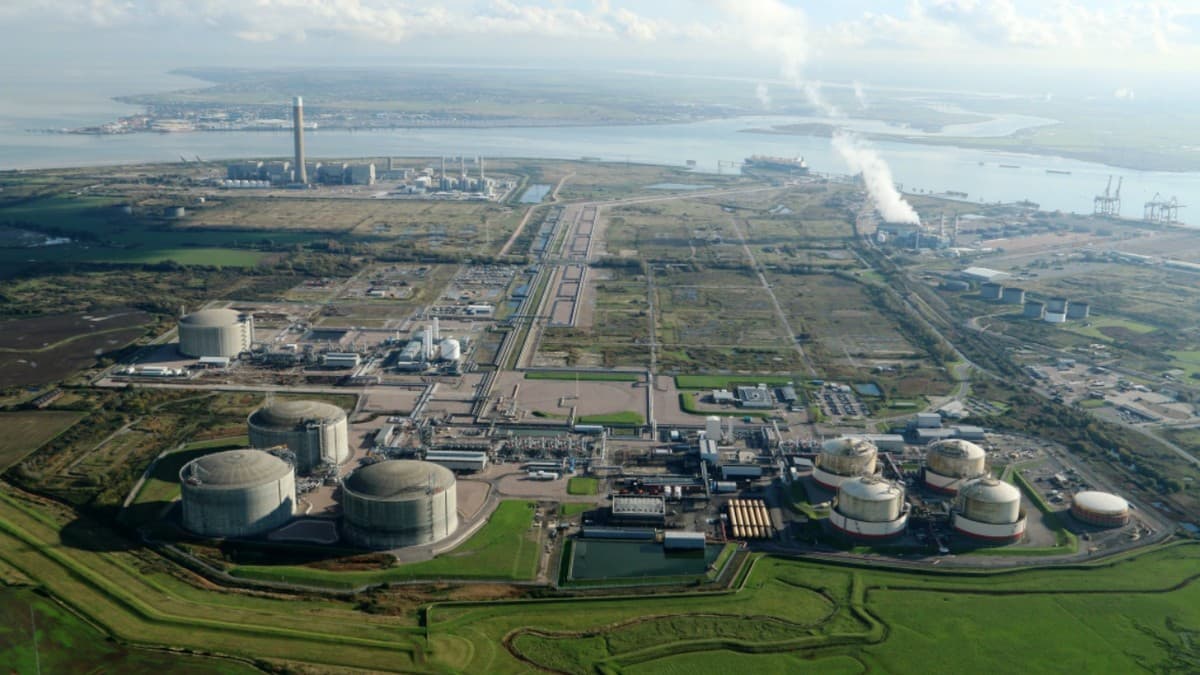
- JERA proposed a $2 billion investment to build a 500 MW gas‑fired plant and offshore LNG import facilities for Oʻahu.
- Hawaii State Energy Office' study excluded fuel‑price volatility, using average cost estimates and varying only one variable at a time in its sensitivity analysis.
- International Energy Agency reports 13 major oil price shocks since 1973, averaging one every four years.
- Hawaii State Energy Office' Alternative 1A is only cost‑saving if LNG prices stay within a 10 % increase, yet Asian LNG prices have jumped 143 % in 2026 and 289 % in 2022.
- QatarEnergy declared force majeure on certain long‑term LNG contracts in March 2026, showing that such contracts may not protect against supply or price shocks.
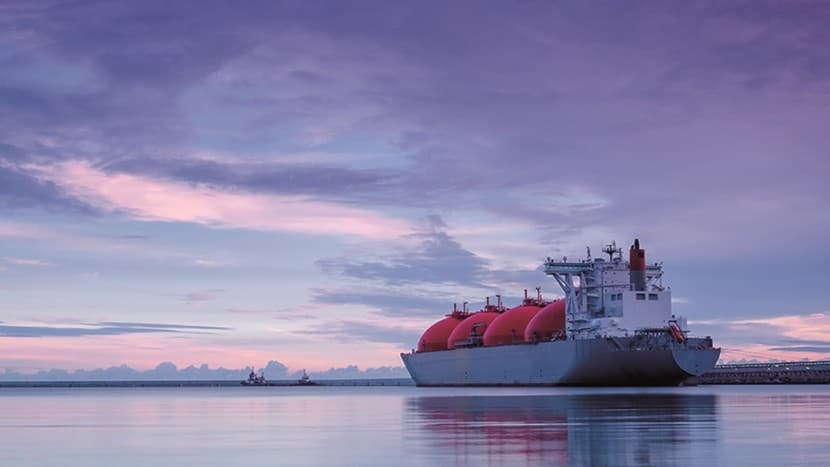
- Jones Act vessel constraints limit direct LNG shipments to Hawaii, forcing reliance on foreign‑flagged vessels and overseas export terminals.
Why it matters: Because the HSEO model assumes stable LNG prices, a series of price spikes—already seen in 2022 and 2026—could erase the projected $150 million net benefit, leaving Hawaii’s consumers facing higher bills and jeopardizing grid reliability while JERA’s $2 billion plant may not deliver the promised cost savings.
Ask SkimNews