Europe's US LNG Dependency Becomes Leverage Amid Qatar Disruptions — SkimNews
Get the Energy newsletter
Daily energy & climate — solar, EVs, oil, the policy fights and tech bets shaping the transition. Free.
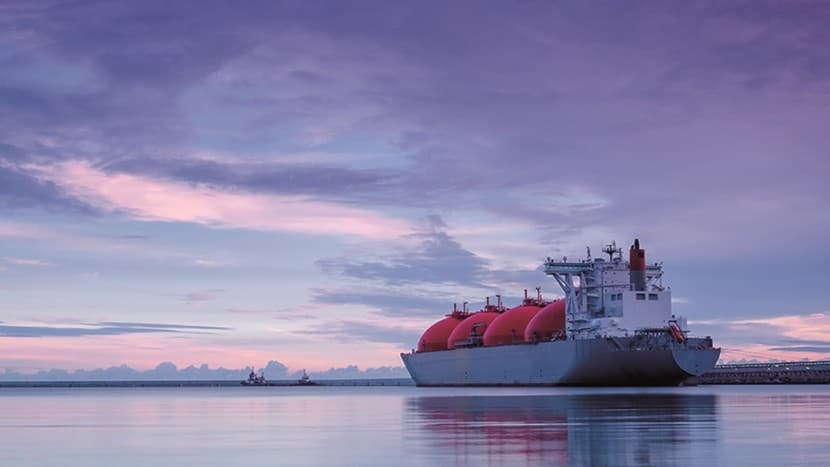
- Europe's LNG imports are now roughly 50% sourced from the United States, which the analysis frames as concentration creating leverage rather than genuine diversification.
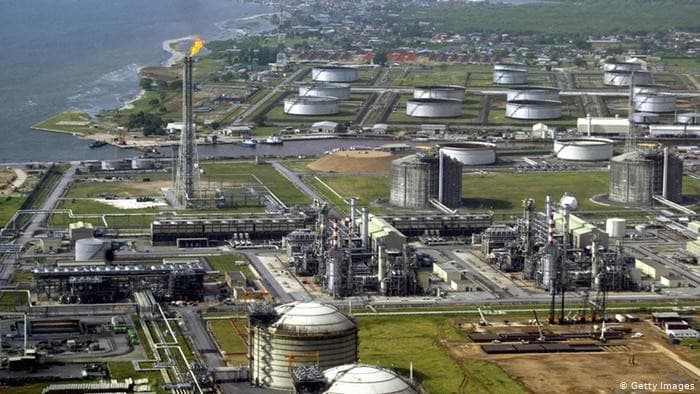
- Qatar LNG disruptions, including Ras Laffan attacks and Abu Dhabi export constraints, have placed 12–13 million tons per year of capacity at risk, while logistical bottlenecks strip an additional 5–10% of effective supply.
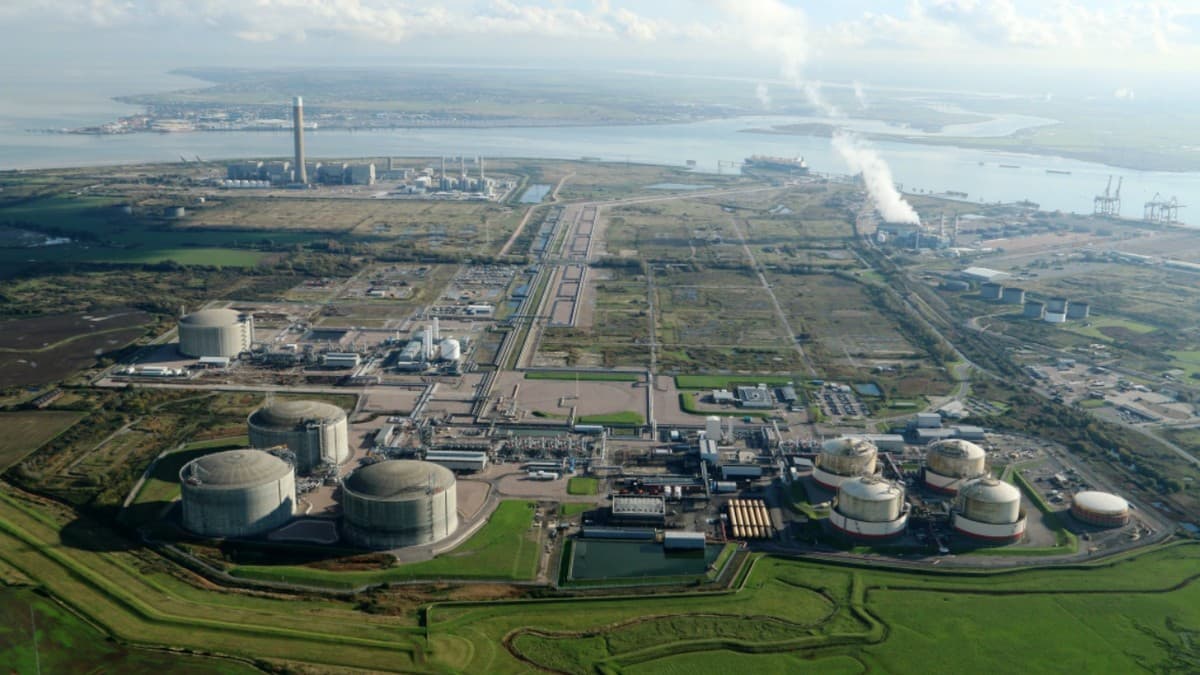
- European gas storage remains critically low relative to seasonal requirements, undermining the buffer policymakers in the Netherlands and elsewhere assume will protect them.
- US diplomats are signaling in transatlantic trade discussions that energy access is conditional, with the article noting that LNG cargoes intended for Europe are increasingly being rerouted to Asia.
- The Groningen gas field in the Netherlands — Europe's largest onshore gas field — is identified as a politically sensitive but strategically obvious domestic option that Brussels and The Hague refuse to reopen.
- The energy transition, in its current form, cannot deliver security in the near term, according to the analysis, which argues renewables, hydrogen, and electrification do not substitute for dispatchable gas in a stressed system.
Why it matters: Europe has substituted Russian gas dependence for US gas dependence without genuine diversification, leaving the continent exposed to both supply shocks (Qatar disruptions, low storage) and political leverage from Washington. With 12–13 million tons of LNG capacity at risk and gas storage critically low, policymakers face a narrow window to reactivate domestic resources like Groningen before a supply crunch forces painful, externally-imposed adjustments to industrial output and consumer bills.
Ask SkimNews