Ras Laffan Attack Cuts 17% of Qatar LNG Capacity — SkimNews
Get the Energy newsletter
Daily energy & climate — solar, EVs, oil, the policy fights and tech bets shaping the transition. Free.
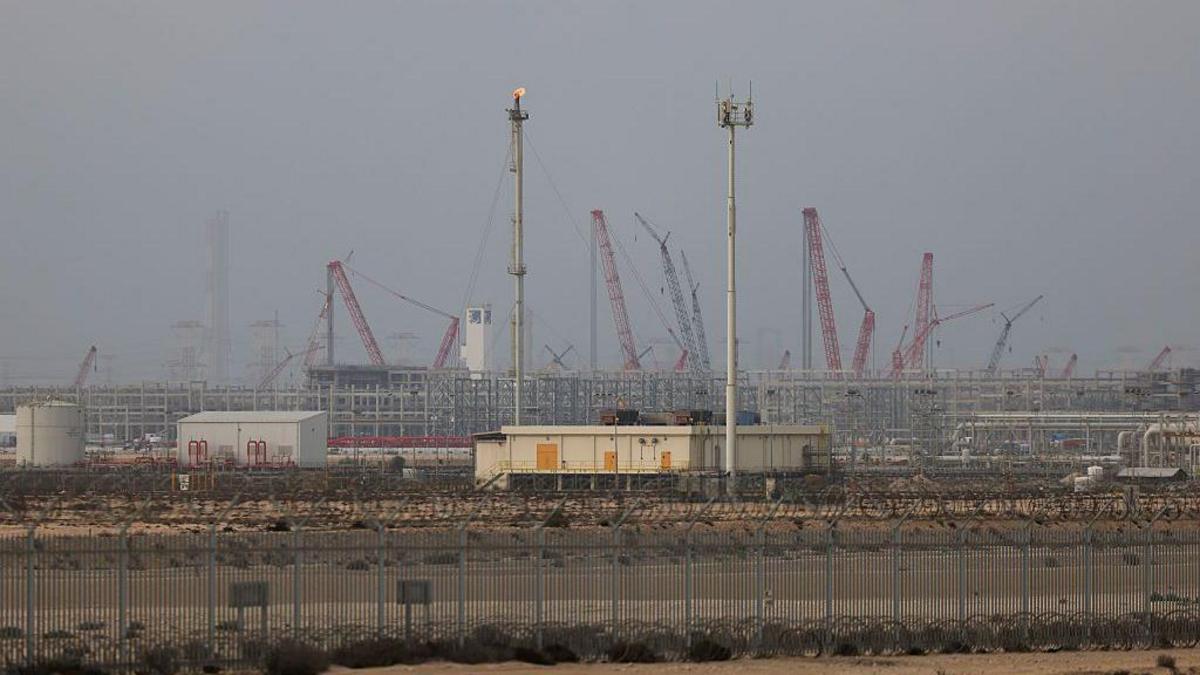
- Ras Laffan – The attack caused damage of 12–13 million tons per annum, about 17% of Qatar’s LNG capacity.
- Qatar – Supplies roughly 20% of global LNG exports, with most of that output centered on Ras Laffan.
- Capacity restoration – Estimates say repairing the damaged capacity could take three to five years.
- United States – Though now the largest LNG exporter, cannot easily fill the gap because it operates near full capacity and faces cost inflation, labor shortages, and regulatory hurdles.
- Europe – With low storage levels and heightened competition from Asia for cargoes, faces higher prices and inflation risks.
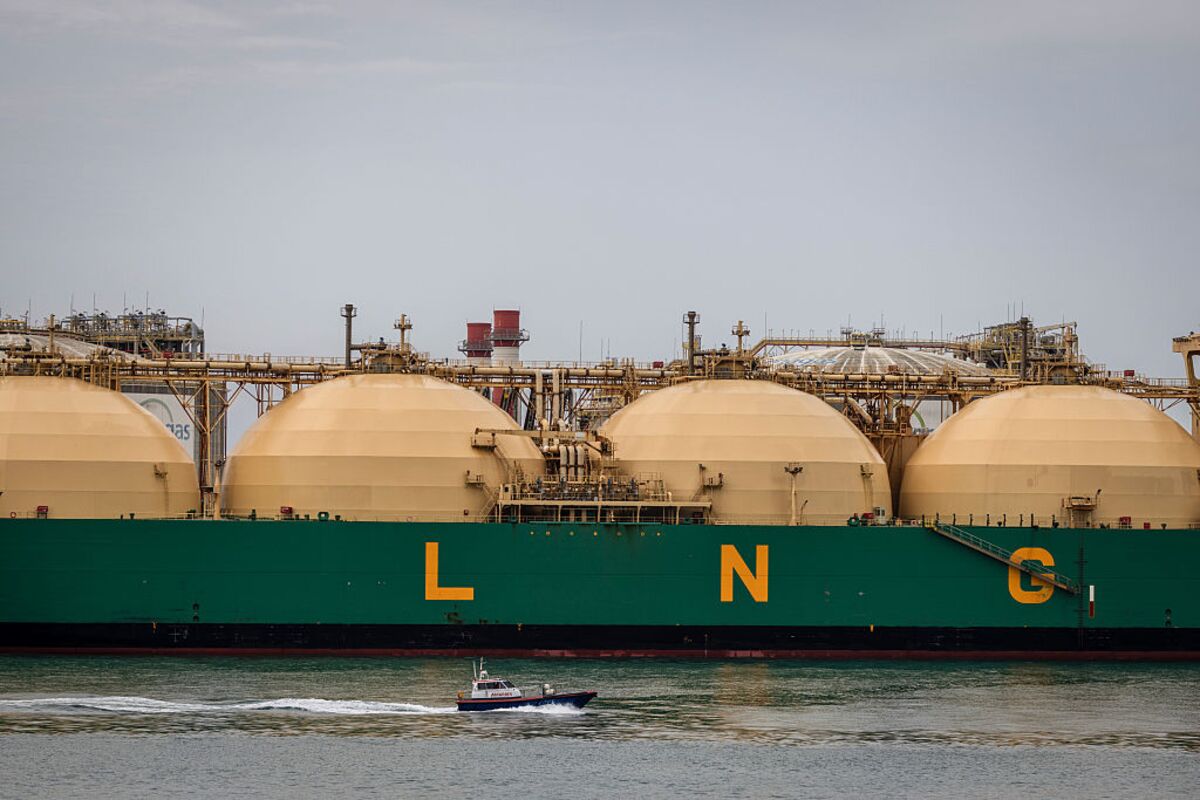
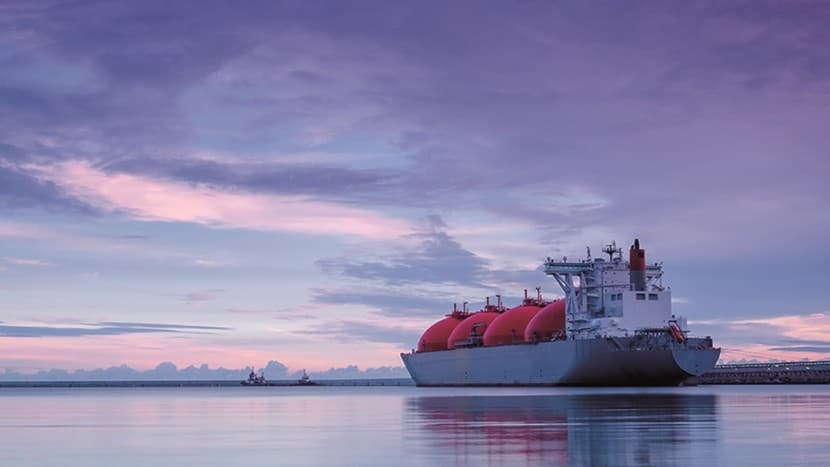
- Global LNG shipping – Constraints such as a blocked Strait of Hormuz, higher insurance costs, and a limited carrier fleet tied to long‑term contracts further reduce effective supply.
- Market outlook – The attack shifts the narrative from an anticipated glut to potential shortages, prompting a move toward long‑term contracts and increased emphasis on resilience.
Why it matters: Europe, already low on LNG stocks, will face higher prices as Asian buyers outbid it for scarce cargoes, while investors in new LNG projects see financing costs rise amid heightened security and logistical risks. The United States also cannot offset the loss, leaving the market with limited flexibility and prompting a shift toward long‑term contracts and resilience‑focused infrastructure.
Ask SkimNews