LNG Prices Surge 80% as War Triggers Supply Chain Crisis — SkimNews
Get the Energy newsletter
Daily energy & climate — solar, EVs, oil, the policy fights and tech bets shaping the transition. Free.
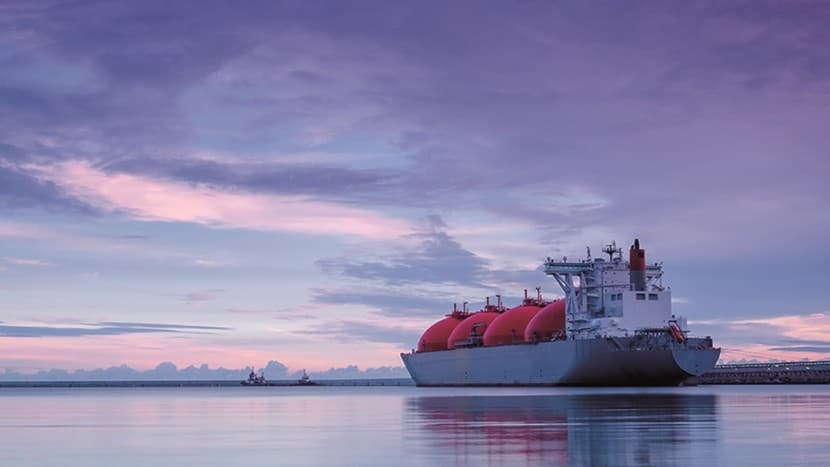
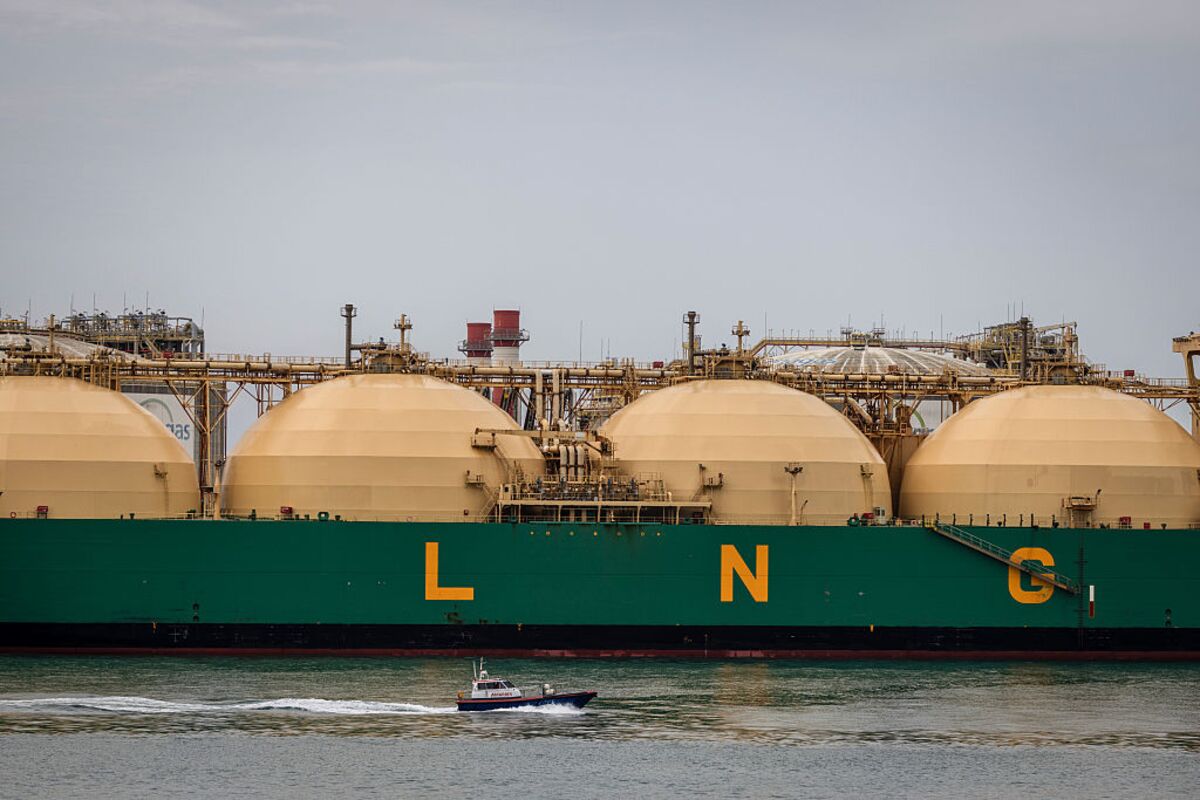
- LNG prices have risen 80% on global markets since February 28, when the Middle East war began, according to Reuters, despite overall supply remaining abundant.
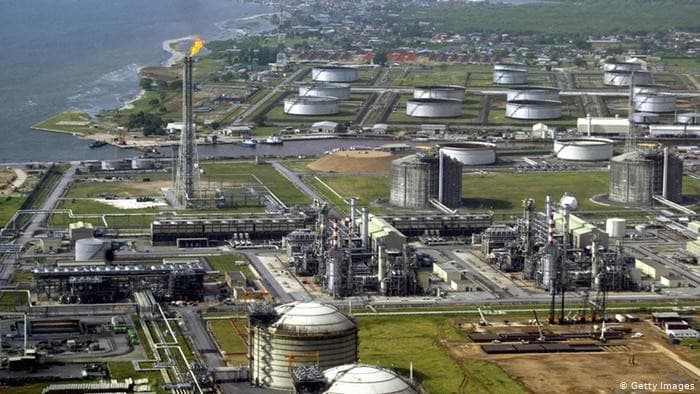
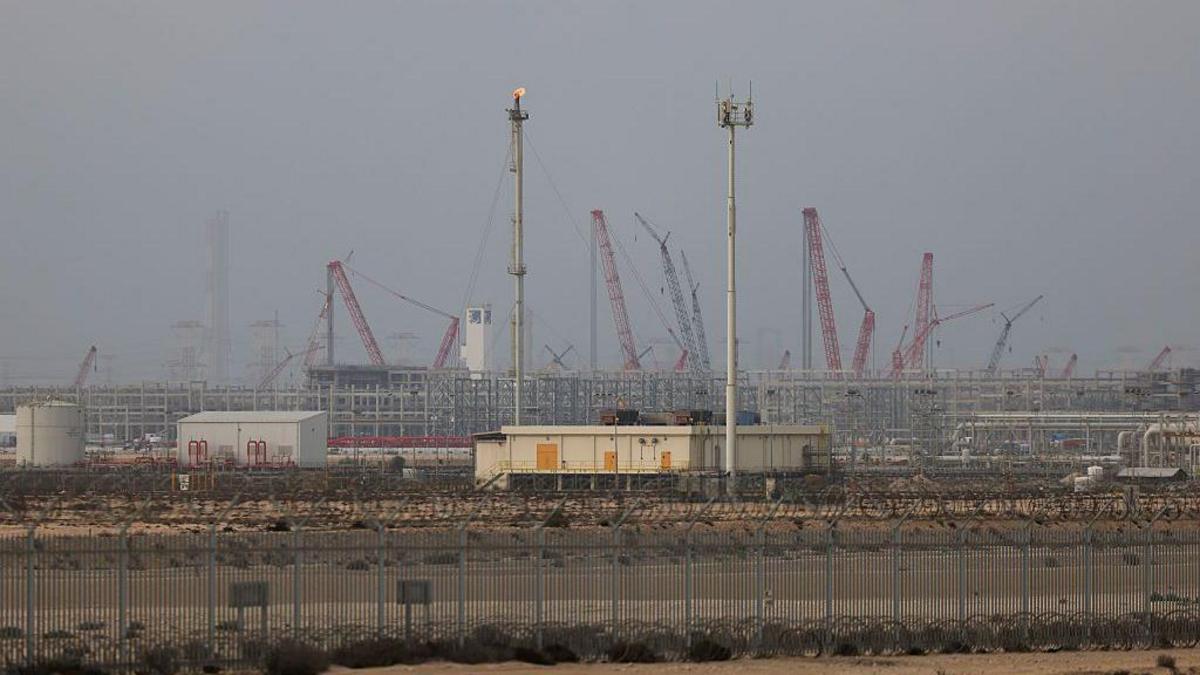
- QatarEnergy declared force majeure on LNG contracts with buyers in Italy, China, Belgium, and South Korea after Iranian retaliatory strikes damaged its South Pars/North Field gas deposit and liquefaction facilities.
- QatarEnergy accounts for over 15% of global LNG capacity, and the company has said repairs to damaged infrastructure will take several years to complete.
- Menelaos Ydreos, head of the International Gas Union, characterized the disruption as a "supply chain crisis" rather than a "supply crisis," warning that choke points and geopolitical events now threaten long-term security of supply for energy importers.
- Asian LNG imports fell 8.6% year-over-year last month to 20.6 million tons, the sharpest decline since December 2020, as high prices triggered demand destruction.
- Japan's JERA canceled a long-term LNG supply deal with U.S. Commonwealth LNG this month, while a Japanese Ministry of Industry official advocated increasing coal-fired power generation to conserve LNG fuel.
Why it matters: The price surge is happening despite abundant supply, meaning the disruption is geopolitical and logistical rather than resource-based — so it can persist beyond any ceasefire. Japan has already canceled a U.S. LNG deal and is ramping up coal, signaling a pain threshold that could undermine the economics of U.S. exporters' expansion plans and Qatar's three-decade reputation for on-time delivery.
Ask SkimNews