Oil, Gas Shortages to Last Months, Analysts Warn — SkimNews
Get the Energy newsletter
Daily energy & climate — solar, EVs, oil, the policy fights and tech bets shaping the transition. Free.
- Global oil supply has been cut by up to 11 million barrels daily, with roughly a tenth of worldwide production and 2.4 million bpd of refining capacity shut in, per Rystad Energy and the Financial Times.
- Rystad Energy's Jorge Leon told the FT that even with a durable ceasefire and Strait of Hormuz reopening, markets won't normalize for at least six months — and 'in some cases it could take significantly longer.'
- The EIA forecasts production shut-ins deepening from 7.5 million bpd last month to 9.1 million this month, and doesn't expect a return to pre-conflict levels until late 2026 even under its optimistic end-of-war assumption.
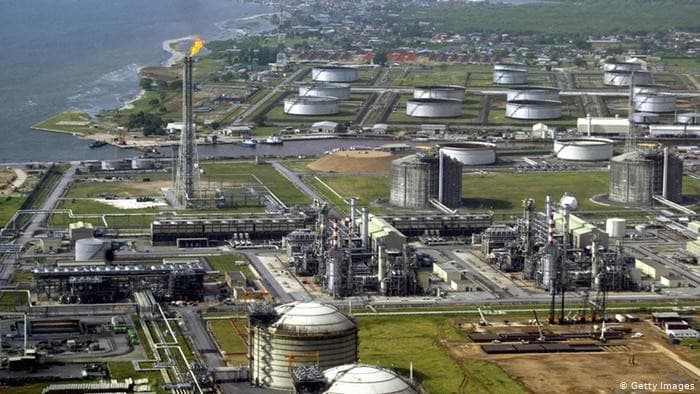
- Wood Mackenzie estimates half of shut-in oil could restart in days and three-quarters within weeks, but the final barrels require months of well interventions across pipelines, gas plants, and export logistics.
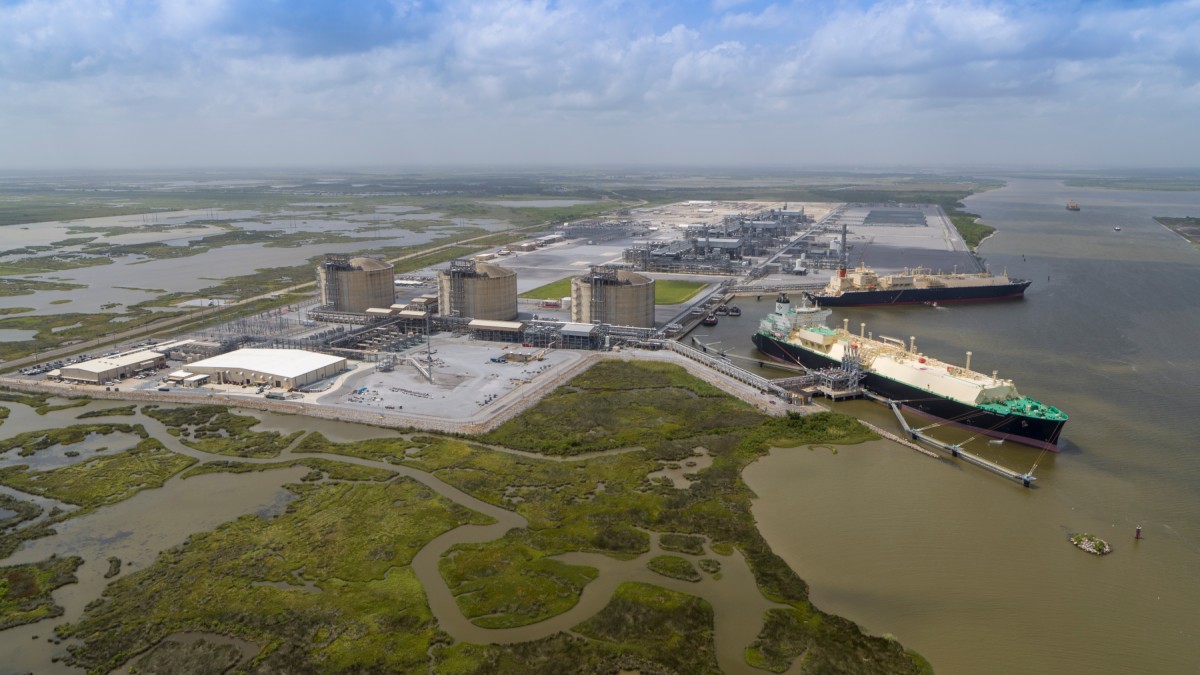
- Qatar's LNG capacity — 77 million tons annually — remains offline after Iranian strikes, with even undamaged trains suspended because of the Strait of Hormuz blockade; Asian and Japanese buyers are already switching to coal.
- Saudi Arabia recently lost 600,000–700,000 bpd of capacity from oilfield attacks, a roughly 5% reduction, illustrating how long infrastructure restoration takes even for the region's biggest producer.
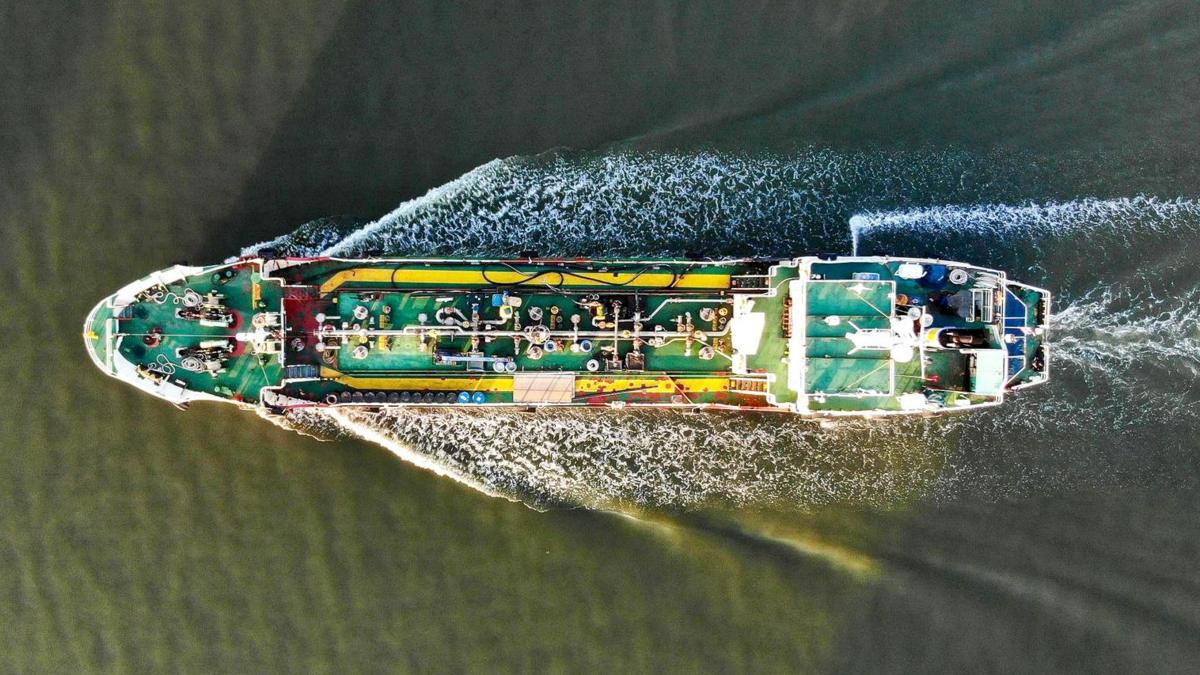
- Tanker traffic is already steering clear of the Strait of Hormuz as the U.S. president threatens to add his own blockade, with Brent crude above $102 and WTI above $104 per barrel.
Why it matters: Energy importers from Europe to Japan face a multi-quarter squeeze: Qatar's irreplaceable LNG outage is already pushing Asian utilities to coal, and the 11 million bpd of shut-in oil requires months of well interventions to restore even after the Strait reopens. The EIA doesn't see pre-conflict production levels returning until late 2026.
Ask SkimNews