Iran Ceasefire Cuts Oil 15%, but Gas Damage Will Last Years — SkimNews
Get the Finance newsletter
Daily finance — markets, central banks, M&A, the prints that move money. Free.
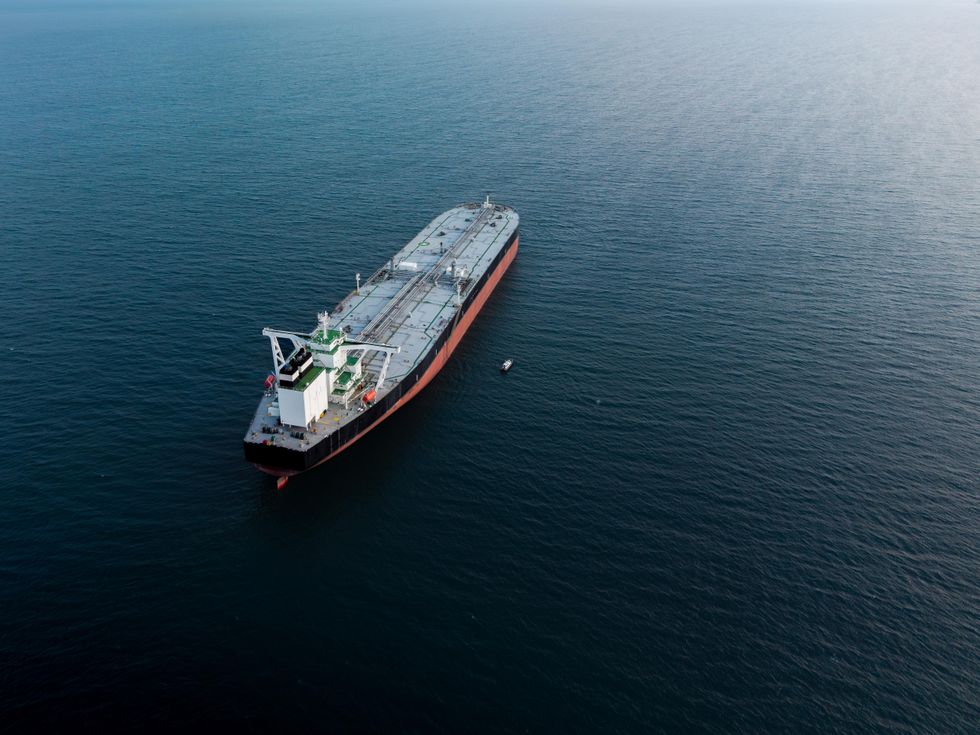
- Iran established de facto control over the Strait of Hormuz during six weeks of war, leaving approximately 800 ships stuck in the Gulf and beginning to collect transit fees — despite lacking a navy or airforce.
- The overnight ceasefire sent oil and gas market prices down 15% and sparked a global stock market rally, with the five-year UK gilt rate falling by the equivalent of a quarter-percent rate cut.
- Qatar's gas infrastructure sustained direct damage that will take weeks to restart LNG production and years to return to pre-war capacity, permanently constraining global supply.
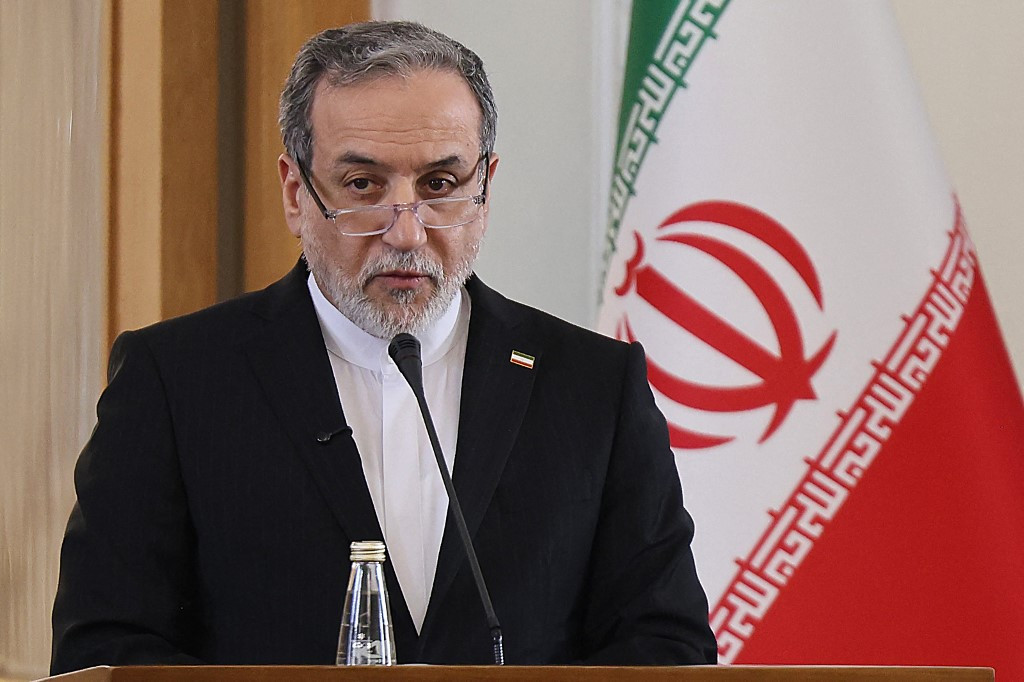
- Iran, the US, and Israel offered conflicting accounts of the basis for negotiations, with Trump suggesting free flow through the Strait while Iran's Foreign Minister said traffic would operate 'via coordination with Iran's Armed Forces and with due considerations to technical limitations.'
- Iran proposed jointly coordinating control of the Strait of Hormuz with Oman, raising fundamental questions about whether Gulf nations will accept Iran's new leverage over the key maritime chokepoint.
- Oil prices could have hit $200 a barrel as recently as the day before the ceasefire, but a pathway back to $60–$70 a barrel is now possible — potentially sparing UK households from a feared significant October energy bill rise and pausing fixed mortgage rate increases.
- Finance ministers are gathering in Washington DC for key IMF meetings, navigating between relief at the ceasefire and unresolved uncertainty over the underlying diplomacy.
Why it matters: UK consumers could be spared a feared significant October energy bill hike if the ceasefire holds, while fixed mortgage rates may ease as oil potentially returns to $60–$70 a barrel. But Qatar's gas damage will constrain global LNG supply for years, and Iran has demonstrated it can weaponize the Strait of Hormuz even without a navy — a form of economic leverage that may outlast the war itself.
Ask SkimNews