Iran, Ukraine wars escalate oil shortages with few signs of relief — SkimNews

Get the Energy newsletter
Daily energy & climate — solar, EVs, oil, the policy fights and tech bets shaping the transition. Free.
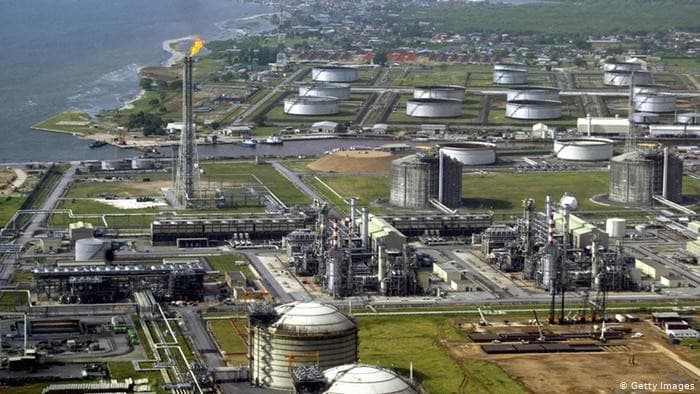
- Ukraine's drone campaign has bombed more than 11 major Russian refining complexes, disabling an estimated 30% to 60% of Russia's fuel-making capacity; Russia has banned diesel exports, previously supplying half of Europe's diesel.
- Iran and its proxies have put more than 1.2 million barrels per day of Middle Eastern refining capacity out of operation through drone strikes, per J.P. Morgan, including a July 27 attack on Saudi Arabia's Abqaiq hub and a July 30 strike on an Egyptian Mediterranean port that handles 5 million barrels a day of Saudi crude.
- Goldman Sachs estimates the combined global refining deficit at 6.5 million barrels per day once bombed Russian refineries and crude stranded by the Strait of Hormuz and Black Sea closures are tallied.
- The Strait of Hormuz closure has cut off roughly 20% of the world's liquefied petroleum gas supply—a cooking fuel widely used in India and China—and Indians were already skipping meals by April 2026 because they could not find or afford gas.
- Ukraine's seaborne drones in the Black Sea have temporarily blocked most of Kazakhstan's crude oil exports, which depend on that waterway to reach Mediterranean and global markets.
- Brazil's Petrobras has lifted production 14% over 2025 levels and is running refineries at full capacity, while Venezuela's oil output has risen from 937,000 to 1.2 million barrels per day, though new investment has lagged due to legal uncertainty.
- China's crude oil imports have dropped by roughly 3.6 million barrels per day—about one-third of prewar levels—with Chinese refiners even reselling crude on global markets, possibly by tapping strategic reserves or absorbing an economic slowdown.
Why it matters: Rising US domestic production has shielded Americans from shortages so far, but the source flags a direct transmission: worsening global supply disruptions could push US inflation higher across goods and commodities. The structural problem is technological, not diplomatic—drone warfare against energy infrastructure is spreading to Colombia, the Black Sea, and the Mediterranean, making every energy-importing country newly vulnerable.
Ask SkimNews